
*This post may contain affiliate links. As an Amazon Associate we earn from qualifying purchases.
If you love vinyl records and the sound that comes with them then you have probably wondered if the newer remakes of records are digital or analog. If that is your question then you are in the right place!
Almost all newly released records would be considered digital. The few new records that are analog will normally advertise it on the packaging as being an all analog album is quite a big deal for new records. Some people swear that analog sounds far better while other people believe that well done digital records can be fine as well.
Ultimately only you can decide which is best for you. Most people are quite set in their ways and either only want analog records or are fine with digital remastering if done properly. Most new records will have some sort of digitizing done during the process.
Unless the manufacturer specifically states that it is all analog it’s a safe bet that there is some digital involved. To understand if new vinyl records are analog or digital, let’s first analyze the basics!
Do you love playing your vinyl records but your record player has seen better days? Well, you are in luck! There are tons of great record players that not only have great sound quality but also won’t break the bank. You can find them by clicking here.
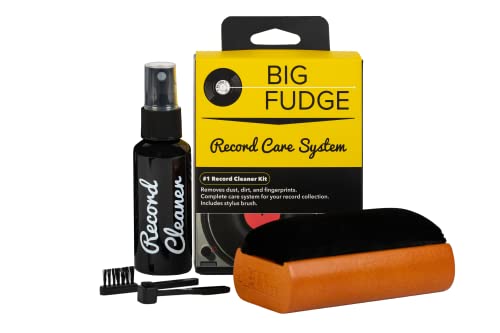
If you love records and record players, you must get a record-cleaning kit like this one. It is designed to ensure that your records stay in excellent condition to last you for decades.
Get this cleaning set and keep your vinyl records in perfect condition!
What are vinyl records? How old are they?
You might have come across the term vinyl siding, vinyl gloves, vinyl flooring, and, most of all, vinyl records. Yet, you don’t know what exactly vinyl is?
Vinyl is a synthetic human-made material. A plastic made from ethylene (a product of crude oil) and chlorine delivered from common salts. They’re combined to form a Polyvinyl Chloride (PVC) resin. That is what we call Vinyl!
Vinyl is easier to make, more durable, and cheaper compared to other materials. Today, vinyl is the second largest used material worldwide. It’s used in construction for flooring and siding and yet is also used for vinyl records.
Analog or digital, does it matter?
Since the onset of vinyl records decades ago, there was very little digital technology. Yet, digital mastered LPs dates back to the 1980s. So, are all new vinyl records digital? Let’s explore the topic more in-depth, digital or analog! Just because a record is digital doesn’t necessarily mean that the sound quality is bad. Some digital records are very high quality and are hard to distinguish between them and all analog ones (but don’t let an analog lover hear me say that).
If you come across a well-mastered record, you will be able to enjoy the excellent sound whether it is analog or digital. If a record is only available in remastered digital don’t let that stop you from buying it because you have heard that analog is always the best and digital is horrible.
Worst case scenario you buy a record, the sound quality isn’t very good and then you have to return it.
Places like Amazon have quite liberal return policies so if you are unhappy with the quality it is super easy to return the item and get a full refund.
If you are just getting into records or listen to all of your music on vinyl don’t let anyone online persuade you that digital should always be avoided.
Yes, some digital records have horrible sound quality.
Yes, analog in general is much better than its digital counterpart.
But digital vs analog comes down to far more preference than people on either side would ever let on. Just because an “expert” says that analog is all that and you should never buy digital doesn’t mean it is true.
You may even prefer digital over analog! (blasphemy I know)
So are new vinyl records analog or digital?
To best answer this question, we need to understand how vinyl records are made. Vinyl records are made by pressing machines that haven’t been made since the early 1980s. New vinyl records made in the 21st century are the ones that come from digital masters.
The music is recorded digitally and then pressed onto analog vinyl master discs. The records can be pressed for the master LPs.
That pressing machines haven’t evolved for 30 years means vinyl albums are still technically in analog. Of course then that brings up the question, are they true analog? Most of the time the answer is no. If they have a digital master then they aren’t all analog records.
Despite the vinyl resurgence of popularity in the 2000s, it hasn’t bloomed in a way likely to move manufactures to make new pressing machines. Also don’t forget that the pressing technology has changed very little since the 80s as well.
There are some notable advances in the way vinyl records are being made. In more recent years there has been a new vinyl record characterized by split-color press using existing press elements in 2010.
The new split color vinyl records are still analog. But the automated process used to make them is faster and cheaper.
Does digital sound better than analog?
Ahh the question that people have been arguing about for ages. Which is better? Does it matter which one you listen to?
Let’s find out which is better, analog sound or digital sound. Is there a vast difference?
Inspecting what makes a sound digital or analog. It starts with how the sound was recorded.
Digital recordings audio in CDs, DVDs and sound files are usually uncompressed and tend to be very large. Vinyl records have to work around their size limitation. They compress the audio to make them more manageable which affects the quality.
Advances made in analog-to-digital conversion methods have improved the quality of recordings. The process involves high sampling rates and increased precision. It wipes out any distinction that might arise between analog and digital recordings.
Of course if you were to ask in a record forum you would probably hear a different story. People who only like analog are quite adamant about their position and will often take people to task who dare to disagree with them.
It’s not just the analog lovers either. Some people will comment on all analog threads and talk about how digital is better and just fine and drone on and on spewing their own opinion.
Opinions are like armpits, everyone has them and most of the time they stink!
If you feel strongly about digital vs analog then that’s awesome! Feel free to only by all analog recordings and never have a digital one in your collection. Why do we feel like we always have to be right though? Just let someone else have a different opinion and move on!
Digital sourced vinyl records
A digitally sourced vinyl record might be superior over the digital version for several reasons. These are uniquely mastered for vinyl and come with a higher dynamic range and different EQ.
A vinyl record mastered for digital sources will often have a similar range of dynamic as the released CD/HD downloads. Often the vinyl record is cut from a higher resolution source.Even where the same digital master (Redbook) is used!
To create a digital version and the pressed record from a digital source will normally compress the audio and it will have a low dynamic range. The vinyl cutting process and respective playback create a more relaxed sound. It’s an excellent choice for music lovers.
Still, the quality depends on the playback system, if you have a cheap record player and horrible quality speakers then you probably won’t be able to hear the difference between the two types of records.
Additional Opinions
Want to get some opinions from a few other people and see where they come down in this argument? Check out these two videos below. Both of them discuss analog vs digital and might help you decide which one you prefer.
Analog vs. Digital: The Verdict
Here is the ultimate decision! Where the rubber meets the road! Where everyone gets mad at me!
Which one is better?
In short…. It depends.
Ok, yes, that was a let down but you should have guessed what my answer would be from up above. Everyone is always going to have a different opinion but the only thing that truly matters is what you are happy with!
If you are happy listening to digital records then listen to your heart’s content!
If you prefer the sound from analog records and will only listen to records that are all analog then that is fine too.
Whichever style you prefer or whether you don’t care we can all agree on one thing… always take care of your records!