
*This post may contain affiliate links. As an Amazon Associate we earn from qualifying purchases.
If you’re reading this, chances are you’re on the fence about purchasing a Nintendo Switch. Or maybe you’re just here to be nosy and see what all the fuss is about. Either way, you’ve come to the right place.
As someone who has owned a Nintendo Switch for a couple of years now, I feel qualified to weigh in on the pros and cons of this little hybrid console. So, without further ado, let’s dive in and see if the Switch is worth the investment.
So, is the Nintendo Switch worth it?
The Nintendo Switch is worth buying since it is essentially two consoles in one. You can play it at home and on the go which means Nintendo’s versatile little console is worth buying.
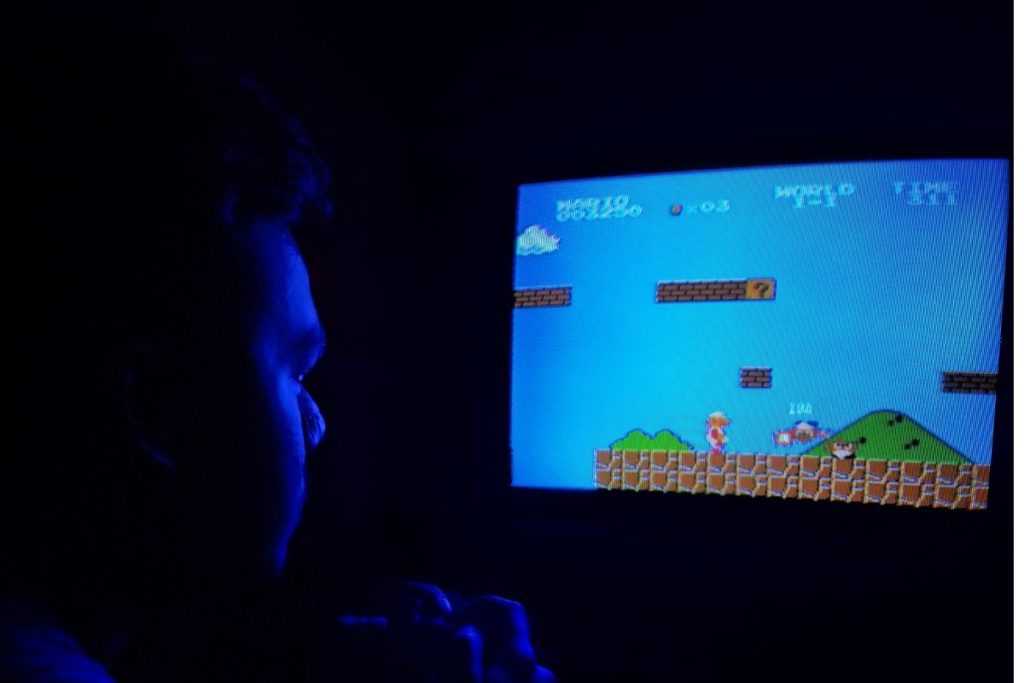
Not only can this baby be used at home and on the go but it has that retro appeal as well. With Nintendo Switch Online you get access to playing NES, SNES, N64, and Sega Genesis games (the last two only if you choose the more expensive tier) so you can enjoy many of the older games on your big screen TV!
Seriously, there is nothing better than using your new Nintendo model to play those old games that you grew up on (or at least I did)!
In the rest of this article, I will go into more detail about why I think the Switch is worth getting. But if you don’t want to read through all of that then just take my word for it… go out and get a Switch!

The Pros of Owning a Switch
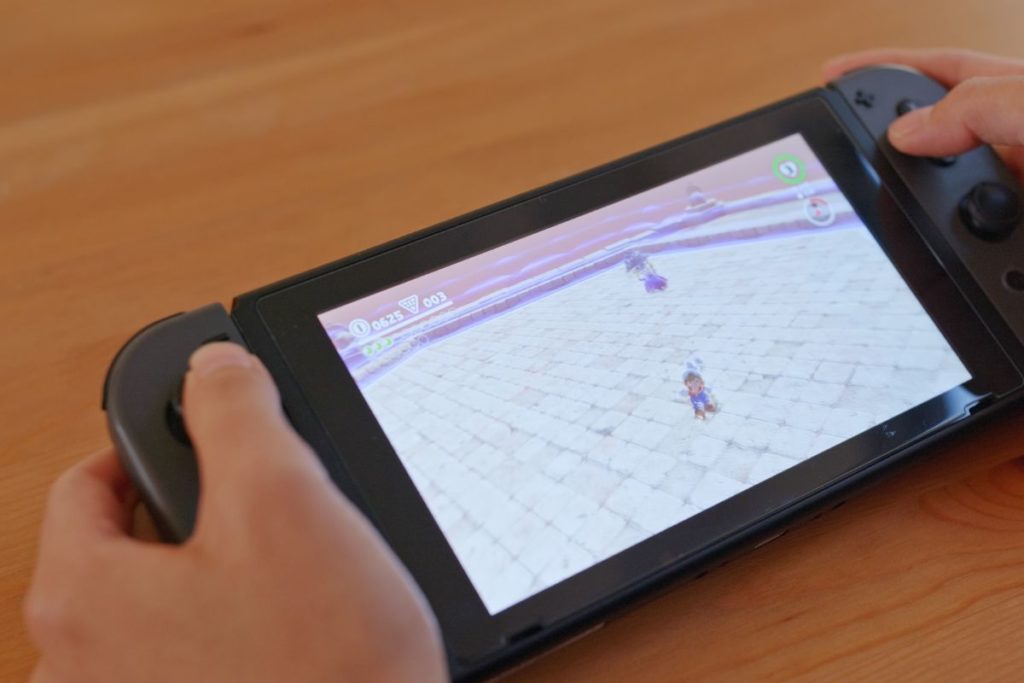
There are definitely some perks to owning a Nintendo Switch. For starters, it’s super portable. You can take it with you wherever you go and play on-the-go, which is perfect for long car rides or flights.
And if you do want to play on your TV, it’s easy to dock the Switch and switch (heh) from handheld to console mode.
Another pro is the variety of games available. The Nintendo Switch has a solid lineup of first-party titles, including fan favorites like The Legend of Zelda: Breath of the Wild and Super Mario Odyssey. And with the ability to play indie games and even some older PC games, there’s a ton of variety to choose from.
Online multiplayer is also a big plus for the Nintendo Switch. You can play with friends online, or even team up with strangers for some co-op action. And with the option to use multiple controllers, including the Joy-Con controllers, Pro Controller, and even a variety of Bluetooth controllers that look like classic Nintendo controllers, you can get the whole gang in on the fun.
The Cons of Owning a Switch
Now let’s talk about the not-so-great aspects of the Nintendo Switch. Firstly, it’s not exactly cheap. The base model will set you back around $300, which is on par with other consoles but still a pretty hefty price tag.
However, despite its price the Nintendo Switch remains popular with kids and their parents alike.
Another con is the limited storage space. The Switch only comes with 32GB of internal storage, which isn’t a lot when you consider that some games can take up over 10GB on their own. So unless you want to constantly delete and re-download games, you’ll probably need to invest in a microSD card for extra storage.
The Switch’s battery life is also a bit of a letdown. While it’s not terrible, it’s definitely not as long as I’d like it to be. Expect to get around 5-6 hours of hardcore gameplay, depending on the game and the brightness of the screen.
Although the Switch can get between 4.5 and 9 hours of battery life in general, many games with great graphics that are connected to the internet will only allow you to play for 5-6 hours before your Switch will need to be recharged.
And unfortunately, the Switch does not have backwards compatibility with older Nintendo games. This means you won’t be able to play your old GameCube or Wii games on the Switch. Bummer.
Alternatives to the Nintendo Switch
If the cons of the Switch have you considering other options, there are a few alternatives to consider.
One option is the PlayStation Vita, Sony’s handheld console that has a solid library of games and the added bonus of being able to stream PlayStation 4 games on the go.
Another option is the 3DS, Nintendo’s previous handheld console that has a huge library of games and the added bonus of backwards compatibility with older DS games.
The main issue with both of these alternatives is that they are OLD! Both the PS Vita and the 3DS came out in 2011 and unfortunately there isn’t a modern handheld alternative to the Switch (unless you want to get a generic handheld console that doesn’t have any modern games).
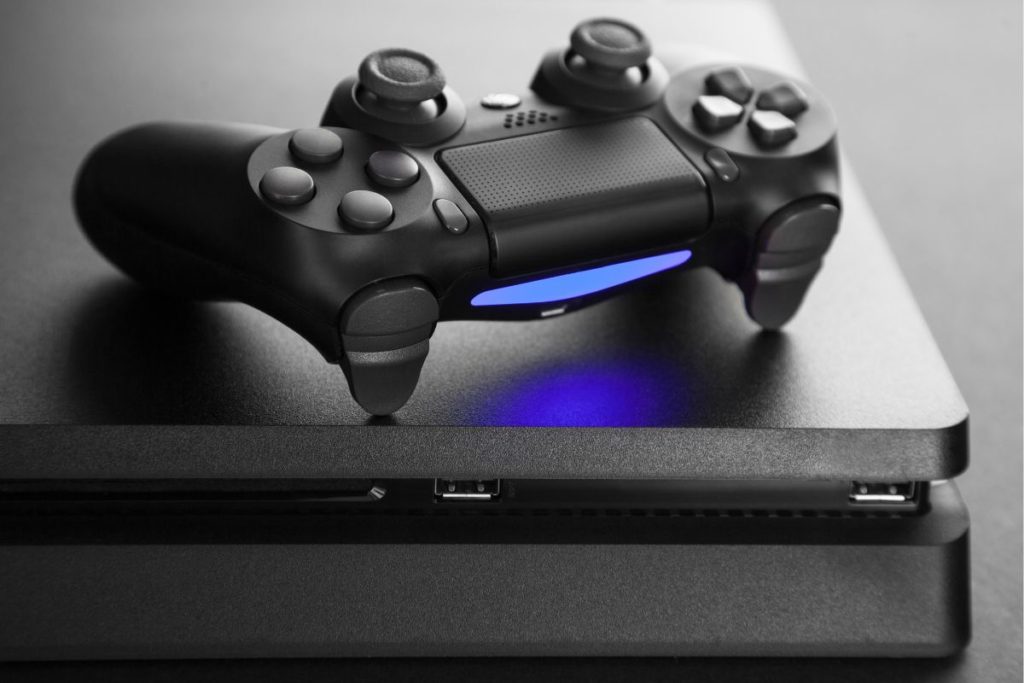
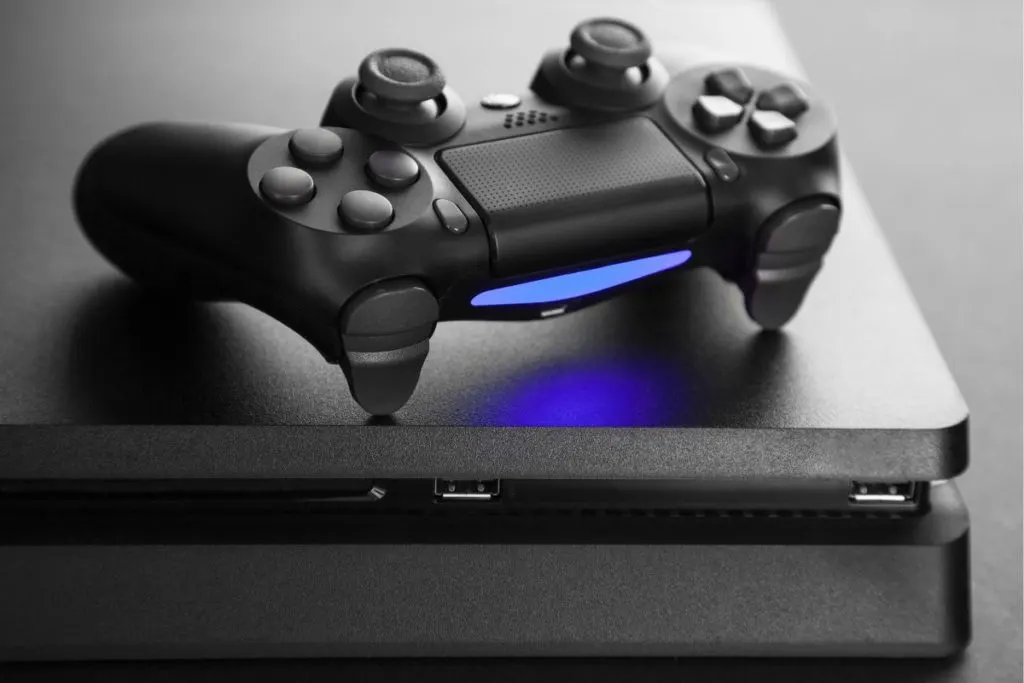
If you’re not interested in a handheld console, there are also home console options like the PlayStation and Xbox. These systems have more powerful hardware and a larger game library, but of course, they are a bit bulkier and not portable at all (good luck playing your Xbox while on a plane or in the backseat of a car!).
How the Switch Compares to Its Alternatives
So, how does the Nintendo Switch stack up against its alternatives? Well, it really depends on what you’re looking for in a gaming system.
If portability is a top priority, the Switch is definitely the way to go. It’s the only one of the three that allows you to play on the go and on your TV. The 3DS is also portable, but it doesn’t have the option to play on a TV (and as I mentioned it is over a decade old now). The PlayStation Vita is portable, but it doesn’t have as strong of a game library as the Switch (and again it’s almost ancient).
In terms of the game library, the Switch has a good mix of first-party Nintendo titles and indie games, as well as the ability to play some older games. The 3DS has a massive library of games, including many exclusive titles, but it’s limited to 3DS games. The PlayStation Vita has a decent library of games, but it’s not as robust as the Switch or 3DS.
Online multiplayer is available on all three systems, but the Switch has the added bonus of being able to use multiple controllers. The 3DS has a limited number of multiplayer options, and the PlayStation Vita’s online capabilities are a bit weak.

Who the Switch is Best Suited For
Okay, so we’ve covered the pros and cons of the Switch and how it compares to its alternatives (although portable alternatives are severely lacking). But who is the Switch best suited for?
If you prioritize portability and convenience, the Switch is a great choice. It’s small and lightweight, and you can easily take it with you wherever you go.
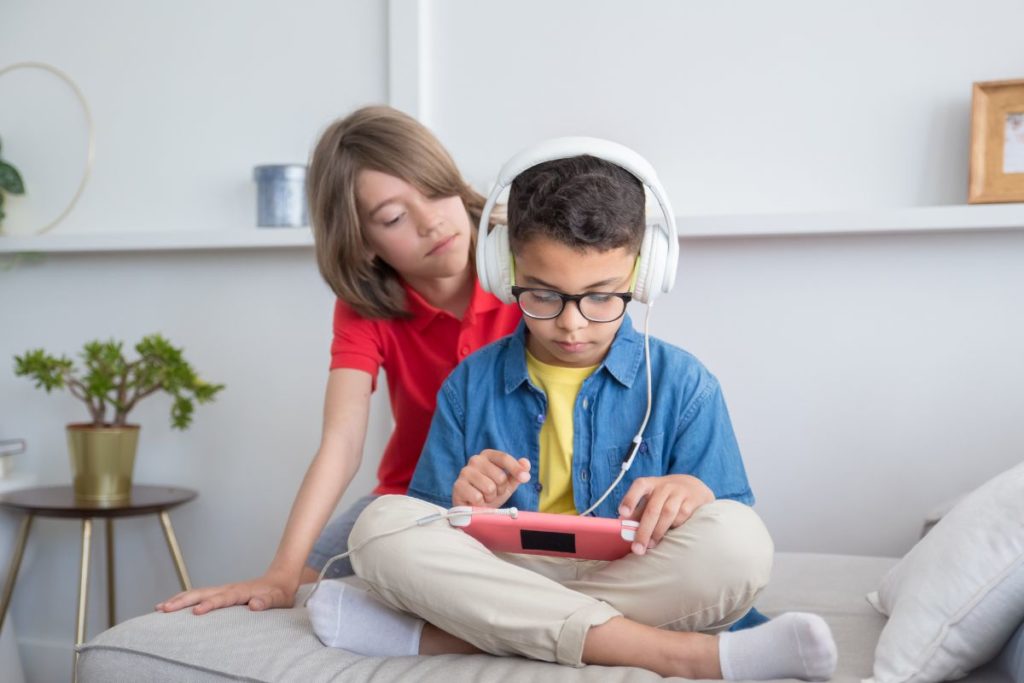
It’s also a good option for families with younger children, as it has a variety of kid-friendly games.
Fans of Nintendo’s exclusive games and franchises will also enjoy the Switch. It has a solid lineup of first-party titles, including fan favorites like The Legend of Zelda and Super Mario.
And if you’re a casual gamer who enjoys party games and local multiplayer, the Switch is a great choice. Its ability to use multiple controllers makes it easy to get a group together for some fun.
Who the Switch May Not Be Ideal For
On the other hand, the Switch may not be the best option for hardcore gamers who prioritize graphics and performance. While it’s not a slouch, the Nintendo Switch is not as powerful as home console systems like the PlayStation and Xbox.
Gamers on a tight budget may also want to consider other options. While the Switch is not the most expensive console out there, it’s still a significant investment. This is especially true when you consider that most first-party Nintendo games rarely (if ever) go down in price.
If you primarily play single-player games, the Switch may not offer as much value. While it has a decent selection of single-player games, it doesn’t have as many as home console systems.
Should You Upgrade to the Newest Model of the Nintendo Switch?
If you already own a Switch, you may be wondering if it’s worth upgrading to the newer models. There are two newer Switch models to consider: the Switch Lite and the Switch OLED.
The Switch Lite is a handheld-only console that is more portable and affordable than the original Switch. It’s a good option if you mostly play on the go and don’t mind not being able to connect to a TV.
However, it lacks some features of the original Switch, like HD Rumble and the ability to detach the Joy-Con controllers.
The Switch OLED, on the other hand, is an upgraded version of the original Switch with an improved screen and features. It has a more powerful processor and improved graphics. However, it comes with a higher price tag and isn’t a huge improvement over the original Switch console.
So, is it worth upgrading to the newer Switch models? That really depends on your needs and budget. If you’re looking for a more portable and affordable option, the Switch Lite may be a good choice. If you want improved hardware and features, the Switch OLED may be worth the investment.
In my opinion, if you already have a normal Switch it isn’t worth it to get the Switch Lite or the Swith OLED. However, if your Switch has died then getting the Switch OLED is a good choice since it has a bit better screen and graphics and isn’t much more expensive.
Where to Buy a Nintendo Switch (If It’s Worth It To You)
If you’ve decided that the Switch is the right choice for you, the next question is where to buy it. There are a few options to consider.
One option is to buy it online through retailers like Amazon or Best Buy. This can be convenient as you can shop from the comfort of your own home, and you may be able to find deals or bundle packages.
Another option is to buy it in-store at physical retailers like GameStop or Walmart. This can be a good choice if you want to see and try out the console before you buy it.
You can also consider buying a used or refurbished Switch. This can be a good way to save some money, but keep in mind that you may not get the same warranty or support as you would with a new one.
Should You Get Nintendo Switch Online?
Should you get Nintendo Switch Online? Oh, let me think… hmm… let me see… Umm… NO! Just kidding, of course you should! It’s like asking if you should get air to breathe or food to eat.
It’s a no-brainer, folks.
Nintendo Switch Online is basically your ticket to the online gaming world on the Switch. Without it, you’ll be missing out on some of the best features the console has to offer.
For starters, you’ll be able to play online with your friends and other players from all over the world. Imagine all the fun you’ll have competing against them in your favorite games! But that’s not all, you’ll also have access to a library of classic NES and SNES games, which is basically like a trip down memory lane.
But wait, there’s more! With Nintendo Switch Online, you’ll also be able to back up your save data to the cloud. This means that if you ever lose your Switch or it gets stolen, you won’t lose all your progress in your favorite games.
Trust me, it’s a small price to pay for peace of mind.
All in all, Nintendo Switch Online is a must-have if you’re a serious gamer. It’s a small investment that will give you access to a world of fun and entertainment. So, don’t be a cheapo and get it already.
Are Nintendo Games Worth The Price?
Are Nintendo games worth the price? Well, let me put it this way: if you want to experience the most innovative, creative, and downright addictive games on the market, then yes, they are absolutely worth the price.
But if you’re the type of person who is content with playing the same generic first-person shooter over and over again, then maybe not so much.
I mean, let’s be real here, Nintendo games are not cheap. But you know what else isn’t cheap? Quality. And that’s exactly what you get with a Nintendo game.
The graphics, the gameplay, the characters, the story, it’s all top-notch. And let’s not forget about the replay value. You could play a Nintendo game for hours and still find something new to discover.
In conclusion, are Nintendo games worth the price? Absolutely. Will they break the bank? Probably. But let me ask you this: when was the last time you played a game that made you laugh, cry, and want to throw your controller out the window all at the same time? Exactly.
So, save up those pennies, folks, because a Nintendo game is worth every single one of them.
Should You Buy The Switch OLED Instead?
Well, well, well, it looks like Nintendo has decided to give us another option when it comes to our beloved Switch. They’ve introduced the Switch OLED, a fancy new version of the original Switch with an OLED screen.
So, should you run out and buy it right now? Of course not, you’re not a sucker, are you?
First off, let’s talk about the OLED screen. Sure, it’s a nice upgrade from the original Switch’s LCD screen, but let’s be real, the difference isn’t going to make or break your gaming experience.
Unless you’re a professional gamer or a screen snob, you’re probably not going to notice much of a difference. Plus, the OLED screen is more expensive to repair if it ever breaks, so there’s that to consider.
Another thing to consider is that the Switch OLED is more expensive than the original Switch. Now, I know what you’re thinking, “But it’s an OLED screen, it’s worth the extra money!” Well, my dear friend, let me tell you, it’s not.
Unless you’re made of money or have a severe case of FOMO (fear of missing out), you’re better off sticking with the original Switch.
In conclusion, should you buy the Switch OLED instead of the original Switch? Unless you’re a professional gamer or a screen snob, probably not. The OLED screen is nice, but it’s not worth the extra cost.
Plus, the Switch OLED is more expensive to repair if it ever breaks. So, save your money and stick with the original Switch, it’s still a great console.
Is the Nintendo Switch worth the price?
If you prioritize portability and a wide variety of games, the Switch is worth the investment. Being able to play games on the go or at home really makes this a great console for a lot of different people.
How does the Switch compare to the PlayStation and Xbox in terms of graphics and performance?
The Switch is not as powerful as the PlayStation and Xbox in terms of graphics and performance. However, since it is portable and can be played on the TV it is still a popular console (and one that my kids and I use all of the time).
What are the best games for the Switch?
There are a ton of great games for the Switch, but some of my favorites include The Legend of Zelda: Breath of the Wild, Super Mario Odyssey, Animal Crossing: New Horizons, and Mario Kart 8 Deluxe.
Final Thoughts
So, are Nintendo Switches worth it? It really depends on what you’re looking for in a gaming system. If portability, a wide variety of games, and online multiplayer are important to you, the Switch is definitely worth considering.
However, if you’re on a tight budget or primarily play single-player games, there may be better options out there for you.
Overall, I’m happy with my Switch and have gotten a lot of use out of it. But it’s not for everyone, so be sure to weigh the pros and cons before making a decision.