
*This post may contain affiliate links. As an Amazon Associate we earn from qualifying purchases.
PlayStation is a system for all the game lovers out there. It offers one of the best experiences for all its players and is a great option for any gaming lover. But one problem faced by all video game players is water.
Accidents are common and what do you do if you get your Playstation controller wet? Do you have to buy an entirely new controller? Are Playstation controllers waterproof?
Unfortunately, PlayStation controllers are not waterproof. If you drop them in water or even spill water on them they are likely to get damaged or become entirely unusable so it is better if you keep them away from all liquids.
You must take proper care of your controller so that water doesn’t get into it and cost you some extra money in buying a brand new controller. Some of these controllers are made of material which may be waterproof but it can’t prevent the water from getting inside the controller and destroying the electronic components.
If your PS controller does happen to get wet, the damage caused depends on the amount of water that has been able to get inside the controller. If you get lucky, your controller may start working just fine again once it dries out, but if the damage caused is more, then you may have to buy a new controller. The water may cause damage to the circuits which is one of the reasons your controller may stop working.
The internal battery is another thing which may get damaged if it comes into contact with water. If it is just the battery that got wet then those can be replaced easily and your controller should work just fine once you replace it.
Even though Playstation controllers are not waterproof to start with there is a way that you can waterproof your controllers to keep them from getting wet in the first place.
If you love PlayStation you need to check out this amazing game room light decor. It looks just like the buttons on the PlayStation controller and the light reacts to the music that you are playing as well! You can check it out by clicking here.
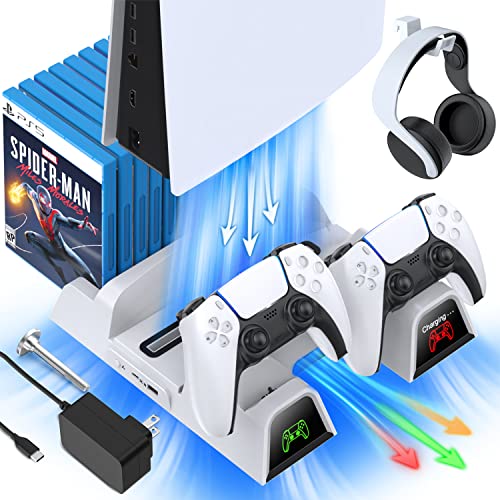
If you have a PlayStation console you should also have one of these stands. It makes it incredibly easy to organize your console and games as well as charge your controllers at the same time.
Plus it has a cooling fan to make sure your console doesn’t overheat when you have your weekend gaming marathons!
How to make your Playstation controllers waterproof?
It can be quite useful if you make your controller waterproof. It will help you in avoiding any kind of damage and can be done easily too. Coming to the facts, a normal PlayStation controller is quite expensive.
If you don’t want to spend your money on a new one, you can go for the other option which is waterproofing your current controller.
It is a great way to go as this method is quite pocket friendly and could save you from having to replace your controller in the future. There are a few methods for protecting your controller and you can choose whichever one you like the best.
1. Use a plastic bag
It is one of the easiest methods. The best thing about this one is that you can do this with simple material available at home. Find a plastic bag and put the controller inside it. Make sure there is no unwanted material in the plastic bag as it may damage the controller in the long run.
After this, seal the plastic bag properly. This will not only make the controller waterproof but also ensure that no dust or unwanted material gets into it. It will also help in keeping it as good as new hence keeping it looking good.
Of course the major downside of this is that you can easily poke a hole in the bag and even worse is how horrible your controller will look and work as playing a game through a plastic bag isn’t exactly a ton of fun.
2. Use a waterproof controller cover
Another option that you can try out is to purchase a cover that is available on the market. You will easily find some covers to protect the controller from any damage. These are available at a cheap rate and are a great option to go for.
You’ll just have to spend some time online to find the perfect piece for yourself. These are available in various designs and covers which ends up providing you more choice.
3. Waterproof your controller yourself
So this may or may not work for you as there are quite a few mixed reviews online about whether it works for electronics or not. Rust-Oleum came out with a product called Neverwet that you can use to waterproof a variety of surfaces.
Although this isn’t specifically designed to waterproof electronics many people have done so and some have reported it working while others reported its failure.
Ultimately the only way to know is to try it for yourself, or watch the video below.
All of these have been tried out by many players from around the world and have received a good response. These help in improving the life of your controller. These methods are a must try and you will definitely love these if they work.
How to repair your wet Playstation controller?
Spending around 60 bucks on a controller may be quite disheartening when they get wet but you don’t need to worry as you can try out a few methods before discarding your controller. It is not guaranteed that these will work but they are worth a try if your controller got wet and it isn’t working.
- One thing that you can try out is to open up the controller. Remove the light and battery from it to avoid any more damage. Once done, start the blow dryer on cool and dry up all the water from the controller. Once you are satisfied, check if there’s any water left in it. Now, put the light and the battery back in. It may work only if the battery of the controller isn’t damaged. You can even try it out using a new battery if you want to.
- This one goes the same for other electronic devices as well. Using rice is a great method as it absorbs all the moisture and excess water from the controller. Open the controller, remove the battery and leave it in a bag of rice for a day or two. This will only help if there’s excess water in the controller.
All in all, it is quite important that you take proper care of your controller in the first place rather than regretting it later. Repair options are also available but they may cost you $50 or more so it is probably better to buy a new one instead.
Games these days are getting more fun simply because of the increasing competition. The producers are in constant need of improving so that they can attract more customers towards their product.
In the future it is quite likely that game manufacturers will be able to waterproof their consoles and controllers and waterproof technology has continued to grow and many of our mobile phones are now waterproof as well.
Gaming consoles and controllers can’t be too far behind.
Conclusion
A PlayStation controller is the essence of the game. Initially, most of these came with wires and were a little difficult to handle. But with the changing requirements of the players, some changes have been made to these controllers as well.
A new PS4 or PS5 controller may cost you around $60 if you buy it from Sony itself or you could get a generic controller cheaper as well. These controllers can get damaged easily so it is important that you take proper care of them and avoid rough usage of these.
These days, wireless controllers are also available. Most of these come in attractive designs and colors which you can choose from. Usually, these work respectively to their models but you can use a Dualshock PS4 controller on your PS3, but this doesn’t go the other way around for PS4.
In the future wireless controllers could be waterproof but as it stands now they unfortunately are not.