
*This post may contain affiliate links. As an Amazon Associate we earn from qualifying purchases.
There are many reasons and ways that a record will get warped. In this article we will discuss how records get warped, how to keep your records from warping, and what to do to fix a warped record.
How do records get warped? Vinyl records warp because of extra weight, heat and direct sunlight. It is very important to store and use your records carefully so that they don’t warp.
When records heat up they become soft. After they are soft they will warp with virtually any pressure that is applied.
Even without external heat, a vinyl record can warp from any extra weight or pressure that it is put under.
A typical Vinyl record starts warping at the temperature of 140°F (60°C) and it starts melting at the temperature of 212°F (100°C). There are a lot of cases where records were left in a parked car for less than one hour and when they come back found their record warped because of the heat.
Always store your records in a proper place and keep them away from heat, direct sunlight, and out of places where they can be easily damaged.
Do you love playing your vinyl records but your record player has seen better days? Well, you are in luck! There are tons of great record players that not only have great sound quality but also won’t break the bank. You can find them by clicking here.
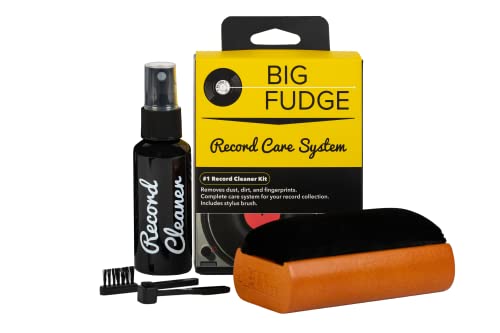
If you love records and record players, you must get a record-cleaning kit like this one. It is designed to ensure that your records stay in excellent condition to last you for decades.
Get this cleaning set and keep your vinyl records in perfect condition!
What is the ideal temperature for records to prevent warping?
As we see, heat is one of the major things that can warp a vinyl record. The cover should provide a little protection to prevent the record itself from being exposed however the art on the sleeve can be damaged by exposure to the sun and heat as well.
A record sleeve does not provide enough protection for prolonged exposure in any type of sunny or hot storage.
The ideal temperature to store your records safely is between 65°F (18°C) and 70°F (21°C). You shouldn’t worry about staying exactly between the ideal temperature but it is a good place to start. An easy way to know if it is too hot for your records is if you feel comfortable in the room then your records should be fine as well.
Most importantly, never keep your records in a place where they would come in direct contact with the sun. Pay special attention to windows and even mirrors as both can allow the sun’s heat to warm up your records.
Can I play my warped Vinyl record?
If you already warped your record then there is still hope to play it but don’t expect the same quality as when you bought it new.
First, clean the record and look at the warp. If the warp is minor and it doesn’t hurt the main portion of the record then it might be playable. If the record is warped where it won’t lay mostly flat on the turntable, then it probably won’t play at all.
If you are trying to play a warped record it is safe to assume that it will have some issues and possibly jump or get stuck at some places.
How to Fix a Warped Vinyl Record?
There are some home remedies to fix your damaged records but these methods can’t bring won’t fix your record perfectly. Once a record is warped it will rarely ever be perfectly level again.
Method 1: Using a heavy object
Get two heavy objects. These objects should be heavy enough to put pressure on the record without breaking it entirely. The size of these objects should be wide enough to cover the full record.
Two books will often work well for this. Put the warped record between the two objects and then put the stack on a level surface that won’t be disturbed. Before putting the record in between the two objects it is a good idea to make sure they are clean and put a soft cloth on both sides of the record to keep it from getting scratched.
This method can take up to a week before it works. This is one of the most time consuming methods but it is also the easiest method.
Sometimes this will work and sometimes it won’t. The more warped your record is the less likely this is to work.
Method 2: Using Heat and Pressure
Here, you will need a pair of glass panes. Put the record between the two glass panes like a sandwich and make sure the record is in the center. The record should be covered entirely by those two panes.
Next, preheat your oven to about 175 °F (79°C) and place the record inside. Depending on your oven, preheating takes about 5-10 minutes to reach the right temperature.
Once you reach the desired temperature carefully slide the record and glass combination onto the oven rack. This will make it easier to retrieve later if you don’t push the glass too far into the oven. Before putting it into the oven, make sure your glass is at room temperature. Let the record sit in the oven for no more than 3 minutes.
Keep your eyes on it and if you hear any noise or smell then remove the record from the oven immediately. Remember, don’t leave it in for more than 3 minutes. If everything goes well, after 3 minutes remove the glass and record from the oven and put them on a flat surface like a table.
The glass might be hot so use hot pads or oven mitts if needed.
After that place a heavy item in the center of the glass over the record. Do not move that heavy thing. Leave the heavy thing on the glass until it cools. Once the glass and record become cool you can remove the record. If the record still warps then do it again. Repeat these steps as needed.
You can repeat this method until your record is flat and able to be played.
There are tons of videos online about how to fix warped records. The one below goes into great detail to tell you how to fix a warped record and even shows them fixing one in real time!
Contact a professional
If you aren’t sure how exactly to do the above methods or don’t want to chance it, then hiring a professional to fix your record is always an option. Hiring a professional is an excellent option if the record has some sentimental value to you or if it is an extremely valuable record.
Most record shops will have a heat and press machine to fix your record back to a flat shape. If you are lucky enough to find that kind of local shop then it is the safest way to flatten your vinyl.
Things not to do with your records
Touch the record playing surface
Never touch your records playing surface with your hand because your hand has oils on it. Once body oil transfers onto the record it will attract more dust. That of course will affect your record’s sound quality. If you accidentally touch your record then immediately clean it by using a liquid record cleaner.
Use a t-shirt or towel as a record cleaner
No matter how clean and soft your t-shirt and towel is do not use it as a record cleaner. T-shirts and towels can easily scratch your records or damage the ridges if you push too hard.
If you really want to do a dry cleaning or light touch up, then use an anti-static record brush. Never use non-approved cleaners on your vinyl records.
Take off a record before the turntable stops
Always wait for the turntable to come to a complete stop before doing anything with the record. If you remove or place a record on the turntable while it is still spinning then it will quickly scratch the underside of your record.
Stack your records on each other
Vinyl records are relatively heavy and if you stack your records then they create pressure. This may cause them to warp or to get scratched and scuffed. Always store your record vertically so that they never have any external weight on them
How do Vinyl Records get scratched?
Vinyl records are relatively soft and they get scratched quite easily. If you move your records around a lot or just leave them laying around they will get scratched way more often than if you put them away after every use.
The most common way records get damaged is by dropping them or by hitting something hard or pointy. Stacking records on top of each other is another way that they get damaged.
If you are trying to keep your records in perfect condition then only take out one at a time and never stack records flat on top of each other.
How do cold temperatures affect vinyl records?
Cold temperatures don’t affect vinyl records but when the record moves from cold to warm it may cause water condensation. At that time records might ruin the paper label or outer sleeve. Or they may get stuck to it as well.
I wrote an entire article about whether vinyl records are okay in the cold that can be found by clicking here.
Is it bad to play a scratched record?
The answer is no. Scratched records will not damage the stylus but they will often be so annoying that you will want to fix the scratches. That can be done by cleaning and then sanding the record. I went into more detail about scratched records in this article.