
*This post may contain affiliate links. As an Amazon Associate we earn from qualifying purchases.
The 1980s were a time of terrible fashion but great and iconic music. The songs from the 80s will still get a karaoke bar excited even till this day! (assuming that it isn’t all young people there) Records were beginning to become obsolete in the 80s and many people never bought a new record during that time.
However, if you were a record lover in the 1980s or you are simply just curious about how much things used to cost, then keep reading.
Records in the 1980s would cost on average of $7-$12 for a new record. Used records would normally cost $4-$5 each with some less popular bands going for considerably less than that. That $7 record in today’s money would cost approximately $22.
The main issue that records had in the 80s wasn’t how much they cost… it was that they were quickly getting replaced with cassettes. These smaller, more compact music storage devices were quickly causing records to stop being used.
To learn more about the lifecycles of records and music keep reading or check out this video below.
Do you love playing your vinyl records but your record player has seen better days? Well, you are in luck! There are tons of great record players that not only have great sound quality but also won’t break the bank. You can find them by clicking here.
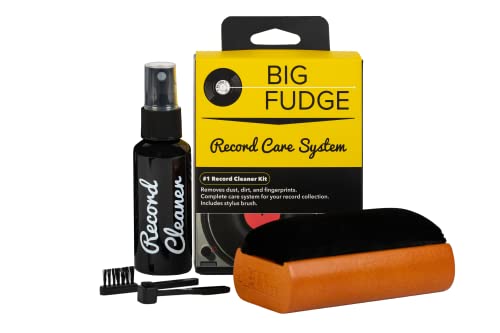
If you love records and record players, you must get a record-cleaning kit like this one. It is designed to ensure that your records stay in excellent condition to last you for decades.
Get this cleaning set and keep your vinyl records in perfect condition!
What did the 80s have?
Except for big hair and bad fashion, this decade was still riding the wave of the 70s! The 80s were a time of invention and rebirth. People became more concerned by status in the 80s, as the time for peace and love had ended.
The 80s was a serious time of transition for many technologies. The 80s saw the birth of computers, the death of vinyl, and many other things that just seem crazy today!
For some examples check out the video below of 25 things that kids actually did in the 80s that there is no way they would be allowed to do today!
Music growth in the 80s
Many bands that had been discovered in the ’70s were still going strong into the ’80s. They were still producing amazing music and experiences for their adoring fans the world over. Selling out 100,0000 seat stadiums, many artists decided to produce and record independently.
This meant that smaller record label companies were having to shut their doors, and either join these independent labels or work for the behemoth companies that they had been competing with in the past.
Some of the most popular songs from the 80s include:
- I Wanna Dance With Somebody
- Billie Jean
- Take On Me
- Don’t Stop Believin’
- Beat It
- Should I Stay Or Should I Go
And of course many more. The iconic style of the 80s was only surpassed by the iconic music and music videos of the decade.
The 8-track and its influence on vinyl
The 8-track tape deck was invented in the ’60s and was around until the early ’80s. Vinyl records stood their ground against this new sound format.
The vinyl record was designed to be a shared experience, whereas the 8-track was often used for solitary listening with headphones. Of course, that blocked out all other background noise and made the listener isolated from the group.
Even though this format had been around for a while many people still loved listening to their vinyl record players for after-dinner music and entertainment.
The record player did have plenty to compete with in the 80s however. TVs now had color and the smaller cassette was beginning to come into popularity in that decade.
The last year of the vinyl’s success
Cassettes were taking some of the vinyl record’s market share throughout the 70s and into the 80s but in 1982 a new format was released that would almost entirely crush the vinyl record… the compact disc. This format almost single-handedly wiped out sales for both the 8-track and the vinyl record.
With this new technology and more storage space both the 8-track and vinyl record could not even come close to competing with the compact disc (CD).
By the ’90s the cassettes and records had almost entirely disappeared from stores and CDs had taken over.
Out with the old
The CD (which stands for compact disc) blew its competitors away and would reign supreme, for many years to come. The CD and its players were very popular from the outset. They were released on August 17, 1982 and between 1983 and 1984 they sold over 400,00 players.
These massive sale numbers were despite the fact that CD players were incredibly expensive at the time since it was brand new technology,
The birth of a new era
Within the 80s decade, many variations of the CD player and CD sizes came out. Artists found it was easier and more affordable to put their music on these CDs than it was to make records or cassettes.
This media reigned supreme all through the 80s and through almost the entire next decade as well. Prices for CDs varied wildly with the newest releases and hottest artists commanding a premium price.
Although CDs were the go to media type for almost two decades music continued to evolve. As the internet became more popular streaming services began to take over the music market. With Napster beginning in 1999 and other music streaming services arriving a few years later the end of physical music was coming quickly.
However, in the last few years records have begun to make a comeback!
In 2019, there were almost nineteen million record albums sold which accounted for almost ⅓ of the entire physical media sales! The sales of records have now increased for 14 straight years with many people believing they will be the only physical media that will sell well in the new decade.
Conclusion
Whether it be vinyl or 8-track or even CD’s one thing you can bet on is something better is going to replace it.
We live in a technological age, when CDs fell they were replaced by mp3s and those were replaced by mp4’s. Right now the top dog in the way that we listen to music is the smartphone.
The smartphone took all those great and unique elements of the old tech and combined them into a far superior product. Whether you own an iPhone or Android, both phones are far superior to anything that we have ever had before.
The technology is only getting more advanced as the months/ years progress and honestly no one knows where it will end up.
Will records continue to sell well throughout the next decade? Will another form of media take its place or will we just stream everything on our phones?
No one knows the future of records but what we do know is that they have lasted the longest over any other form of media. Tapes, CDS, and Napster are not around anymore but records still are!
Whether that will continue is anyone’s guess but we can’t wait to find out.
If you want to learn more about the comeback happening in vinyl records you can do so in the video below.