
*This post may contain affiliate links. As an Amazon Associate we earn from qualifying purchases.
If you have a record collection or maybe just a few records that you find yourself needing to take with you on your next plan trip then you are in luck. This article is for you!
Who doesn’t love to travel via plane? The feeling of taking off and that weightlessness is incredible. But, what if the night before you are set to leave you to find yourself with a bit of a conundrum. You realize that you have some records that you have to fly with. You don’t want to leave them behind for whatever reason but you also don’t want them to get destroyed while you are traveling.
What can you do?
Transporting records on a plane can be quite a difficult and nerve racking experience but with a little knowledge you should be able to take your records with you without too much difficulty.
How do you transport your records on a plane? There are a few things to keep in mind when taking your records on a plane. They are:
- What type of bag to use
- Whether to use a carryon or check them
- How to keep them from getting scratched or broken
- How to keep them from warping
All of these and more will be discussed in this article. Hopefully by the end you will feel confident in your ability to take your records on the plane with you.
Do you love playing your vinyl records but your record player has seen better days? Well, you are in luck! There are tons of great record players that not only have great sound quality but also won’t break the bank. You can find them by clicking here.
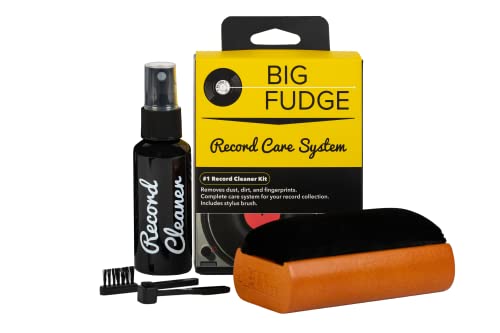
If you love records and record players, you must get a record-cleaning kit like this one. It is designed to ensure that your records stay in excellent condition to last you for decades.
Get this cleaning set and keep your vinyl records in perfect condition!
What type of bag to use
If you have one record or hundreds, the type of bag that you use to transport your records is a vitally important thing to keep them safe. You could use a hard shell bag, a soft bag, a backpack, or even just stick them in a plastic grocery bag.
Which is better?
For most people the best bag to use for traveling with records is either a hard shell bag or to carry then in a large grocery/ shopping bag. Why are these the two best options?
First, if you put your records in a soft bag there are very likely to get damaged. For some reason when things are in a bag we think they are indestructible. This is true even if it is just a thin piece of fabric that separates our items from the outside world.
I can’t tell you how many times that I have had my soft shell bad fall over or get knocked over and land on the front. If I would have had records inside they would probably have been damaged.
Backpacks are even worse as they are often just stuffed wherever they fit when you are on board the plane. I have seen many flight attendants take someone’s bag out of the overhead bin and move things around and then shove on that bag they removed to get it to fit inside.
If you have your records in that bag when that happens they aren’t going to be in very good shape.
Hard shell bags or shopping bags work well for a couple of reasons. Hard shell bags simply don’t bend or change shape. That means that the flight attendant or another passenger isn’t going to be able to shove them or bend the case and possibly hurt your records.
The grocery or shopping bag works well if you only have a few records with you. You can put the records inside and carry it with you all the time. When you are on board the play you can easily slide it under the seat in front of you and you don’t have to worry about it getting damaged by anyone but yourself.
Of course if you are a clutz or just always seem to have bad luck then this method probably isn’t for you!
Carryon or Checked bag?
Let’s assume that you have decided to use a hard shell bag for your trip and have your records inside. Should you check that bag or should you have it as a carryon? Afterall, it is far less hassle to simply check your bag and not have to worry about it or mess with it while you are in the airport.
Can you just check them?
No! Checking your bag with records in it is not something that you should ever do. Planes fly at an altitude of around 36,000 feet and temperatures at that altitude are almost 70 degrees below zero!
With temps that cold your records will get very very brittle. When they are that brittle all it takes is a little shifting and they can easily crack. Not only that but as the temperature warms back up they will begin to draw moisture. That moisture can cause long term damage to the records.
On top of that baggage handlers aren’t exactly known for being gentle with luggage so if your records are already brittle coming off the plane, even if they survive the trip they aren’t likely to survive being thrown around when they are brittle.
How to protect them
Keeping your records from getting scratched or broken is all about prevention when it comes to traveling with them. To prevent your records from getting scratched or broken you will want to put them in a plastic sleeve and then put them into the cardboard sleeve.
Now that your record is safe from dirt and being scratched, you will want to wrap them up in some soft articles of clothing. Hoodies, t-shirts, etc. all work well for this. You will want your records to be in the middle of the suitcase as far away from any of the sides as possible.
Ideally you will put anything that is heavy or could shift on top of the record in a separate bag.
How to keep them from warping
The last issue that might arise when you are traveling is a record getting warped. This isn’t as bad a result as them getting broken as warping is fixable. However, avoiding getting your records warped in the first place is the best option.
To prevent warping you need to make sure there is nothing around your record that could put pressure on it. That includes wrapping clothing or soft items tightly around it. SInce records are made of PVC they are prone to bending and since you will have your records in the suitcase for many hours they can get warped over that time.
Don’t wrap them up tightly or put anything under or on top of them that is heavy. The best thing to do is only use the suitcase with records in it for clothing and put shoes, electronics, and other heavy items in a different bag entirely.
Doing those easy steps should prevent your records from getting warped. If they do get warped during your trip, you can watch the video below for an easy way to fix them.
Conclusion
Taking your vinyl records on a plane can be a scary thought. That is especially true if your record is worth a lot of money or if it is a family heirloom. If you are careful about your choice of bag, not checking the bag, protecting your records from scratching and protecting them from warping you should not have any issues flying with them at all.
You just have to be careful how you pack them up and how you take care of them while you are in the airport and on the plane and you should be good to go.
Happy Travels