
*This post may contain affiliate links. As an Amazon Associate we earn from qualifying purchases.
Have you been thinking about getting a PlayStation but you weren’t really sure if you wanted to buy that over Xbox? Maybe you were thinking about trading from Xbox to PlayStation but wanted to know if it was worth it or not. Well, in this article we will answer all your questions about the PlayStation.
So is PlayStation worth it or is it trash?
Although some people love PlayStation and swear by it, there are many people that dont like the console at all! A few of these reasons are because of the high price of the “upgraded” model, the limited number of games for offline playing, and many more that we will discuss below. So if you want a gaming system that doesn’t have the best games, has a funky shaped controller, and are mostly only given as gifts, then the PlayStation is the gaming system for you.
If you want to know more about the PlayStation and if you should get it, you will want to keep reading. You can also check out this short video that will tell you all about the PlayStation and if it’s worth owning.
If you love PlayStation you need to check out this amazing game room light decor. It looks just like the buttons on the PlayStation controller and the light reacts to the music that you are playing as well! You can check it out by clicking here.
A few things that people complain about PlayStation are given below. These things are direct from actual owners and not from people who own Xbox and are just trash talking.
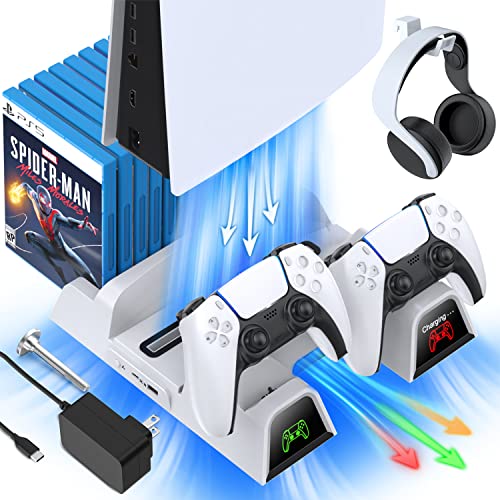
If you have a PlayStation console you should also have one of these stands. It makes it incredibly easy to organize your console and games as well as charge your controllers at the same time.
Plus it has a cooling fan to make sure your console doesn’t overheat when you have your weekend gaming marathons!
PlayStation Design and color:
If we compare the design of the PlayStation with other consoles in the market, we will get to know that the PlayStation designs are far simpler as compared to the others.
The designs of Xbox and Nintendo consoles define the new age of technology but this is not the case for PlayStation. As each console differs from the other in a minor way, it does not make much sense that Sony does not bring up something for the future.
Although PlayStation is robust and has good supporting requirements, there are not many games available. Because of the lack of offline games, you will have to move towards the online world which can be pretty expensive and honestly even though they claim free games, most of the free games are horrible and not worth playing.
PlayStation forces you to buy its membership as there is nothing more to do except for a few offline games. Offline games finish in the blink of an eye. They have so small stories and game time that you can easily complete them in four to five days. After that, there is nothing to do on the game except to buy the expensive membership for the online games.
First, you purchase an expensive game and after that, you still have to pay for online gaming. This does not seem logical to any gamer. If you try to do the same thing on the computer or a different console then people would get upset and complain or stop buying the console. The thing is that a lot of PlayStation users have just gotten used to overpaying.
PlayStation controllers:
When you compare the PlayStation controllers to other consoles, they are simply very ugly looking. If you own one of these controllers you will definitely want to add a skin or cover it up somehow to help make it look a little better. PlayStation literally went as cheap as possible with the controllers and it shows big in the design.
Officially, they are available in only one black color. Many users suggest that there should be other colors in this range too. Using the remote does not require any hard knowledge as everything is visible.
PlayStation Model Price:
If you look closely at the PlayStation consoles, you will notice that the console follows the same design guidelines. There are very few changes in each of them and there is no color range available.
You have to stick to the specific matte back color. PlayStation has a wide range of equipment but all of them are pretty expensive.
One major thing that makes the PlayStation move is the PlayStation consoles on the backend is the price at which they are available. By default, the PlayStation comes with only one controller so you will have to buy at least one more on your own.
Also, you will have to pay separately for the games. Since PlayStation console games are extremely expensive, it can add a bump to your financial situation, therefore, most people go for computer games or other consoles.
If you see the comparison of the PlayStation 4 and PlayStation 4 Pro, you will notice that there is not much that is different between the consoles. Most of the specs are the same as they are the same model. Just an addition of 4K support changes the price comparison completely.
The PlayStation 4 Pro price is far more than PlayStation 4 even though they are the same so it does not make much sense.
PlayStation User Interface:
PlayStation has a difficult to learn user interface. It is complex to get to know the complete details of the operating system. If you are a first time user and you want to get started with the gaming and online world, you will need to spend a great amount of time learning simply how to use the PlayStation interface.
PlayStation Plus Games:
When you buy PlayStation Plus membership, you are notified that you will get free games. However, there are not any good games that are available. You can play some games for free, but most of them are not that good. So even if you pay for the PlayStation Plus network, you will still have to pay to buy the good games.
Console Gaming:
If you ask the expert computer gamers, they will always say that games on the computer are much better than console games. Even if you try to play the same game, you will experience a complete difference between computer-based gaming and console gaming.
As you can get a computer at a much cheaper price as compared to consoles, there is a big difference just in price. If you get a look at the online forums and platforms, you will get to know about the big quarrels between the two types of gamers. If you consider computer gaming, you will know that there are many more features and functions in the same game as compared to console gaming.
Conclusion
No matter if you prefer PlayStation, Xbox, Nintendo, or computers, the games that we have today even though they may be expensive on some devices are fun to play. The only way to know if you should buy a PlayStation is for you to decide what you want in a gaming console and if you want one that only updates every 5-10 years or if you want one that is constantly pushing the limits of gaming with a new console every couple of years.
If you decide to buy the PlayStation then this is the best place to get one at a good price. If you decide to keep your Xbox or maybe buy your first console this place will have everything you need! If you decide gaming should stay on the computers like some people think, then you can find the best computers, games, and equipment here.
No matter what you choose, as long as you pick something that you will enjoy playing, then you will not regret your decision as every person has their own likes and dislikes.