
*This post may contain affiliate links. As an Amazon Associate we earn from qualifying purchases.
Have you ever been playing on the PlayStation and wondered if other countries had the same freedom to play games that we do? Maybe one of your friends told you that PlayStations were banned in China and you dont believe them. Well in this article, we will answer all of your questions.
So is the PlayStation network blocked in China?
Although the Chinese government did not allow PlayStation in the country for almost 15 years, they do currently have every single gaming console that is here in the United States. Although they do allow consoles, they are very picky about what games can be played as they don’t want the children playing violent games.
If you want to know more about the pros and cons of video games and why China did not allow PlayStation into the country for a while, you will want to keep reading. You can also check out this short video to learn more about gaming consoles in China being banned.
If you love PlayStation you need to check out this amazing game room light decor. It looks just like the buttons on the PlayStation controller and the light reacts to the music that you are playing as well! You can check it out by clicking here.
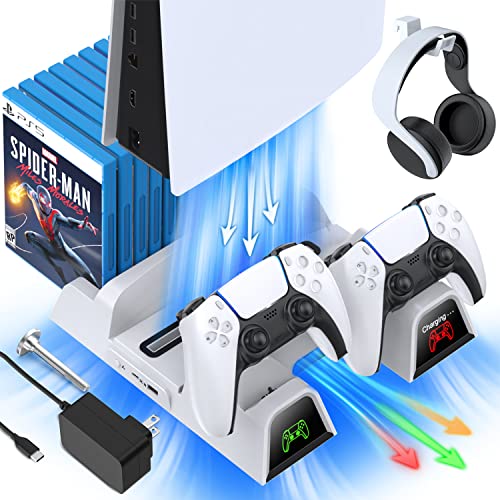
If you have a PlayStation console you should also have one of these stands. It makes it incredibly easy to organize your console and games as well as charge your controllers at the same time.
Plus it has a cooling fan to make sure your console doesn’t overheat when you have your weekend gaming marathons!
Why would China ban video games?
We all know how china is a country with strict discipline and requires all its citizens to strictly abide by these rules. In the case of video gaming, China has put a ban to restrict video game addiction.
Why such a serious ban you may ask? Especially when according to recent research video games are considered to be good for developing our cognitive abilities and increasing our hand eye coordination? Well, before getting into more details, let’s first understand the pros and cons of video gaming.
Pros and Benefits of Video Gaming:
- Educational values:
Not all video games are violent and may harm your mental health. There are many many video games that usually come with a great story line and put to test your character, your patience and your strategy. Playing video games may more often than not teach you how to deal with a lot of real life situations.
- Life training:
As mentioned in the above point, video games can teach you many life skills. Video games will require you to strategize, delegate and perform prompt action which may be very useful to train you for real life.
- Improved cognitive abilities:
At the beginning of the article we talked about how video gaming can increase and enhance your cognitive abilities. How you may ask? Video gaming more often than not will require you to multi-task and take prompt and precise action. It will also require you to process information quickly in order to take proper action. Practicing your cognitive skills by playing video games every day may prove very useful in dealing with real life situations more effectively.
- Exercise:
According to many studies, stimulating your brain all the time with any kind of external stimulation like video games help with preventing age related cognitive diseases like Alzheimer’s. Many doctors also suggest video games to children and adults who deal with concentration issues.
- Competitiveness:
As we all know, most video games are multiplayer games and require you to be pretty competitive to be among the best. Only true gamers will know how competitive I can really get out there. However, this is nothing to complain about as according to the most recent researches, it has been proven that video games can give you a spirit of healthy competitiveness among gamers. This competitiveness is integral to thrive in real life competitive situations like job searches.
Cons/ Disadvantages of Video Gaming:
- Violent:
If you are a fan of gaming, you may have noticed how almost every game has a violent aspect to it. Many game creators are of the opinion that a tinge of violence helps people with anger management and also makes the game more engaging. However, many critics condemn this and are of the view that violence in video games inspire gamers to carry out violent acts in reality. This may not be true in every case, however this has indeed been verified by many psychiatrics.
Video games should be played consciously and gamers should take in the essence of the game and not take the violence as face value just as adults do this. If your kids play video games that are known for violence make sure they do so with you or under your supervision.
- Addiction:
Video games are indeed very addictive. Once you get the thrill of winning, there’s barely a chance you’ll ever get over it. This is why it is so necessary to allot certain slots of time where you could play video games that would not deter your daily activities.
Video game addiction is a real thing and many people suffer a lot because of it. People spend thousands of dollars dealing with video game addictions. Make sure you don’t fall into the trap of obsessive gaming. You can play regularly, but know your limits.
- Social Anxiety:
People are of the opinion that we have become more social in the current days. We have indeed, however just on social media. Video games can similarly help you make many friends from all across the world due to its multiplayer features. However, sitting at home and playing video games the whole day with your online friends may hamper your real life relationships. It is indeed difficult to build up what’s once broken. Make sure you get out to get some fresh air, have a long beautiful communication with your friends and family and respect the beauty of human connection.
Can you play whenever you want in china?
Chinese people are known to have a lot of spiritual values and discard anything that comes in the way of their spirituality. Excess video gaming has been linked to making people slaves of technology and cause mental illnesses. The Chinese people have thus allotted time slots within which online gaming are allowed for children. This ban may or may not be a bit relaxed for adults.
This ban on video games was very rigid till recent times. Earlier, companies like PS4 and Xbox were not allowed for sale and the sale of mainstream video games was an illegal offence for which a fine was charged. However, now Xbox and PS4 are sold all across China.
Conclusively, you can access the PlayStation network from China as consoles are available for sale there. You can always purchase another system and log into the PlayStation network with your account. However, since the ban has been only partially lifted and still has many restrictions, the availability of a few services on the network may also be restricted.
Conclusion
This is why it can be said that the PlayStation network is indeed accessible from China, but it has limited access. We could be looking at the future optimistically though. Because of China’s rapid development in the field of gaming, we may be looking towards China completely uplifting the ban. However, till then, we need to try and keep our hopes high.
Even though China had the consoles banned, they just wanted to make sure the console itself was safe and not going to harm anyone mentally or cause someone to hurt another person in the community.
China takes the safety of the country very strictly, and always wants the people to be in subjection to them, and obey them. This is why there were strict fines and prison if you own a gaming system when they were illegal.
Even after China has opened up gaming, more and more people are able to enjoy the games and play online as well as make new friends.