
*This post may contain affiliate links. As an Amazon Associate we earn from qualifying purchases.
If you love records or simply like seeing what a store has you might find yourself in a store filled with records. When you breathe in the air you might wonder why the smell seems familiar. You wouldn’t be the first person to feel this way.
Vinyl records always make you wonder what they smell like. If you are a collector of vinyl records or you visit a record store, then you will know what I mean. The vinyl records produce a unique smell that is not unpleasant, but it is hard to miss. In some cases people can’t stand the smell of vinyl while other people love the memories that the smell brings.
Once you understand what it smells like, then you can identify the cause of the smell, as well as eliminate it if possible. You can even mix it with other kinds of smells to achieve a new smell that you like more. All this will only be possible once you know what vinyl records smell like. Once you have this information, you can control the smell that your record storage has.
So what is that smell of vinyl records? The smell of vinyl records is a combination of the decaying cardboard mixed with the smell of the PVC (what records are made of). Most of the time the overpowering smell is cardboard and paper that is slowly decaying. It is the same type of smell that old book stores and many thrift and secondhand stores will have.
Whether you like the smell or not is almost entirely based on your personal preferences. I personally love the smell of old records and old books. It reminds me of many memories at my grandparents and great grandparents house reading their old books that they had had for years!
To some people the smell can remind them of bad things or they simply might be sensitive to strong smells. There isn’t anything wrong with that as we all are different in how we tolerate smells.
Do you love playing your vinyl records but your record player has seen better days? Well, you are in luck! There are tons of great record players that not only have great sound quality but also won’t break the bank. You can find them by clicking here.
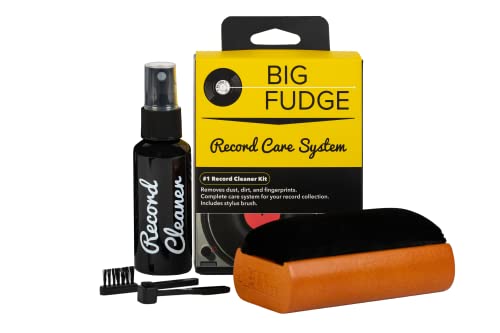
If you love records and record players, you must get a record-cleaning kit like this one. It is designed to ensure that your records stay in excellent condition to last you for decades.
Get this cleaning set and keep your vinyl records in perfect condition!
Why is the smell familiar?
The smell of vinyl records often creates a feeling of familiarity because they remind us of something else. When this happens, we can sometimes spend hours trying to remember what it smells like. This can be frustrating if we can’t figure it out.
Smells have a distinct impact on the brain and can influence moods and habits. So it can make us act out when we can’t figure out what the smell is. Vinyl records are so familiar because they smell like old books. So if you spend a lot of time in libraries or you have many old books at home, vinyl records will smell familiar.
For those who don’t like the smell, it is easy to eliminate, and if you don’t mind it or love it then you might want to spend time just sniffing your old albums. .
How to get rid of the smell
For those who don’t like the smell and want to get rid of it, then you may need some help. While some processes of removing smells are expensive, this one is not.
The techniques listed here are simple and can be done without much help. It requires little or no special machines or chemicals to eliminate and anyone can do it. Some common ways to remove or eliminate the smell of vinyl records include:
1. Use artificial fragrances
Artificial fragrances are popular and they are neither expensive nor difficult to find. If you want to eliminate any kind of smell, then you can use them. The best thing about artificial fragrances is that they come in different smells. This means that you can get the room smelling in the fragrance of your choice all day long.
The fragrance will overpower the smell of the vinyl records and the smell of vinyl records will no longer be an issue. Of course you will want to make sure not to use so much that the smell of the spray becomes overpowering too.
As with every product, ensure you use the fragrance according to the manufacturer’s specifications. Avoid fragrances that can cause allergic reactions for anyone in your home.
2. Properly air out the room
Airing out the room is 100% free and simply involves opening the windows and letting the fresh air come inside. Cross ventilation is also very helpful as it not only brings in the fresh air but removes stale air as well.
The right air circulation and flow will have the smell from your records out of your home in no time at all.
Airing out your home and especially your rooms where you store all of your records is important to do even if you like the smell of the old records. Fresh air will keep the room from smelling stale as well as help remove any moisture that may have accumulated in it.
Since this method is free and doesn’t involve using any chemicals to cover up the smell it is the preferred method to get the smell of the old records out of your house or storage room.
3. Change your record sleeves
The best way to store vinyl records is to make use of sleeves. While they are being stored, the sleeves can deteriorate. This is especially true if they are stored in a damp room. If the room is poorly aerated, it will also make sleeves deteriorate at a faster rate.
If you notice that your records are beginning to smell funny, you may need to change their sleeves. If you want to be safer, you can change sleeves regularly to prevent them from deteriorating. Proper aeration may render this option useless as it will prevent or reduce the deterioration of sleeves.
4. Use poly bags or sleeves
There are different kinds of record sleeves and while the paper is the most common, it can cause some of the smell that many people don’t like with the records. To prevent such an occurrence from happening, you could use Poly bags or sleeves.
This will help prevent any smell build-up, protect the state of your record, and it lasts a lot longer than a paper sleeve. In cases of mild water damage, the record will still be undamaged and you won’t have to worry about mold.
Poly sleeves or bags may be more expensive than paper sleeves, but they will serve you better in the long run. The long term safety and state of your records for a little extra money is not a bad choice.
5. Frequently clean your vinyl records
In some cases, the smell from rotting sleeves has already started to spread into the record and cardboard sleeve. In such a situation, changing the interior sleeve is not enough. A new sleeve will not remove the smell of the old sleeve from the record.
To remove the smell, you will need to clean the record properly. When doing this, follow safety instructions to prevent you from breaking or damaging the vinyl record. Once the smell is eliminated, you can place it in the new sleeve and put it back into storage.
Some great tips for cleaning your records can be found in the video below.
Conclusion
The smell of records is really just the smell of the decaying paper sleeves and cardboard jackets. This smell mixed in with the smell of the PVC is what you will experience when you go into an old record store.
To some people the smell of records is great and brings back floods of memories. To others the smell is something that they want to get rid of.
I hope the ways that we gave above on how to get rid of record smells was helpful to you.
Some will feel that these practices are a waste of time, but most of them are not time-consuming. It won’t hurt to try any of the procedures and see if they work. If they are successful, you get a record collection that is free from smell and something that you can enjoy for many years to come.