
*This post may contain affiliate links. As an Amazon Associate we earn from qualifying purchases.
In the past decade, we have witnessed the resurrection of vinyl records. Initially, it seemed like everyone had moved to digital means of listening to music, however, no one could foresee records coming back into style!
There is nothing that can match the unique sound that vinyl records can produce. This amazing sound quality as well as the nostalgia that comes with playing a record has helped turn around an almost dead music form.
With the rise of vinyl record users comes a lot of questions about records. That is why we are writing this article. To help answer a few of those questions.
So, what happens when vinyl records get wet? As long as it is just the record that is wet and not the label or sleeve, the water won’t hurt the record since it is made out of plastic. However, if records are kept in a wet or moist environment for long periods of time they may begin to mold.
You can get your records wet for cleaning or even accidentally and it won’t cause any issues however, you should dry them off as soon as possible so as not to attract mold or mildew.
Even though records have made a huge comeback in terms of sales, the technology is still the same as it was decades ago.
It requires an extensive amount of care to keep records working like new. Unlike a compact disk, if you manage to spill water on a vinyl record then it can easily hold that water in the grooves and it can quickly become a problem. Drying a record must be done carefully as well to make sure that you don’t scratch the record with a rough towel.
Do you love playing your vinyl records but your record player has seen better days? Well, you are in luck! There are tons of great record players that not only have great sound quality but also won’t break the bank. You can find them by clicking here.
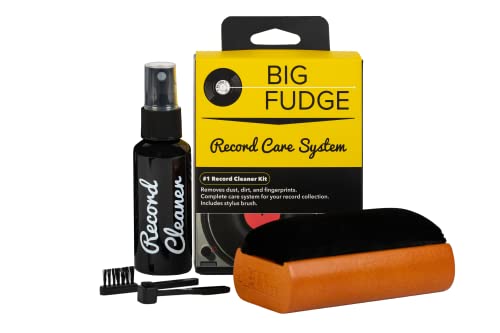
If you love records and record players, you must get a record-cleaning kit like this one. It is designed to ensure that your records stay in excellent condition to last you for decades.
Get this cleaning set and keep your vinyl records in perfect condition!
Do Wet Vinyl Records Sound Better?
The theory is that if you use the water or any other cleaning product to play an old vinyl record, it will reduce the cracking sound. This is true to an extent as clean records will often have less cracking and noise than a dirty one.
However, that doesn’t mean you should wet down your record and try and pay it while wet!
You should clean your records regularly but most of the time using a record brush to get the dust off will be all that you will need to do. You won’t need to wash them with soap and water before every play. Washing them too often is more likely to lead to mold or mildew problems since you will have to try and dry them completely which can be difficult.
To make your record sound better don’t just dunk it in some water, just keep it clean!
What Happens When Vinyl Records Get Wet By Accident?
Well, all hope is not lost. The best thing you can do in that instance is to avoid playing that record until you get a chance to dry it off. Get a clean, soft, and thin cloth and gently dry the water off of the record.
If the spill is soda or another sugary drink then you will want to clean it off as quickly as possible. Normally some soap and water will work just fine but if the spill has dried it might require a bit of scrubbing.
Make sure not to scrub too hard as that can damage the grooves which in turn could cause the record not to play properly anymore. If it is just water on your record once it is dried up it should play just fine.
What Is The Best Method To Clean A Vinyl Record?
If you do find yourself with a record that has something besides water spilled on it or just have a record that is quite dirty, knowing how to properly clean it off is a vitally important thing to know.
When it comes to cleaning the vinyl records; everyone has their way of doing it. There are some chemicals that will not damage the record while others will so be sure and read the ingredients on any cleaner before using it on your record.
The most viable method to clean vinyl records is to use distilled water. Do not use tap water as it might contain small minerals that could do some damage to your records.
If you are unsure of the best way to clean your records or if what you are doing isn’t working then there are a bunch of videos that you can watch to see how other people clean their records.
Some of the best videos about cleaning your records can be found below.
If you happen to have a record store in your local area or a friend who has been a collector for years then asking them what is the best way to clean your records is a good idea. A record store will often have cleaning solutions or a record cleaning kit that you can purchase to clean your records like a professional.
Proper Vinyl Record Storage
The best way to avoid getting your record wet or dirty in the first place is to make sure that you always store them properly, Storing your records in a wet or damp place is a sure fire way for them to get wet or damaged!
You always want to make sure to store your records in a temperature controlled space that is dry while also being out of the direct sunlight. A basement works amazingly for storage as long as it doesn’t have any moisture.
A garage, shed, or storage unit is never a good option for storing your records as that will expose them to the elements of the heat, cold, and moisture. If a record is stored in an area that experiences temperature swings then the records will gather moisture and might get moldy.
At best the sleeves will get wet and stick to the records, worst case scenario the entire sleeve and record will begin to mold and you will have to try and fix that mess or throw your records away!
If you do choose to store them in a spare room in your house make sure that they are not in direct sunlight and that the room doesn’t get excessively hot or cold. Basically if you are uncomfortable in the room then you shouldn’t store your records in there.
Direct sunlight should be avoided because the heat from the sun can warp the records. This can cause them to be totally destroyed or at least make you have to do a bunch of extra work to get your records flat again.
Conclusion
Water on your records certainly won’t destroy them but it is something that needs to be removed from them rather quickly. You can get your records wet during cleaning but make sure to keep the label and sleeve 100% dry.
When you are storing your records, make sure that they are stored in a place where they won’t get wet or draw moisture so that they stay dry and don’t get mold or mildew on them.