
*This post may contain affiliate links. As an Amazon Associate we earn from qualifying purchases.
If you are new to vinyl record players then there are few things that you need to keep in mind. You cannot just go into a record store and expect all of the record players to work exactly the same. If you find a record player that is selling for a price that is too good to be true, then you should probably avoid buying that. 9 out of 10 times, you are getting what you are paying for with record players.
But is there a specific type, style, or brand of record player that isn’t as good? Is there a vinyl record player that you should avoid?
Although there isn’t a specific brand of record player you should avoid there is a specific type. You want to avoid the suitcase style cheap record players. Those players have been proven to wear down your records quicker and have horrible sound quality.
If you are just starting out and just have a bunch of cheap records that you picked up from a yard sale or second hand store then a cheap record player will work just fine. However, it is important to know that not only are you doing to be damaging and wearing out your records faster but you are also not going to be experiencing the sound quality like you would with a better player.
These vinyl record players are not designed to provide as much durability as an expensive record player would. Often, it is not even about the price of the record player, it is more about the brand and design of the record player. Several record players could look quite amazing but have horrible durability.
Buying a record player is certainly not an easy task so trying to decide between a cheap player or a more expensive one can be tough. Ultimately you have to decide whether you are planning on being in this hobby long term. If you are then buying a more expensive player when you are first starting out is your best bet.
If you are unsure if records are for you or if you just dabble in new things before losing interest then buying a cheaper player would probably be better for you.
No matter whether you choose a cheap player or a more expensive high quality one, be sure and check out all of the reviews that you can find and read as much material on forums etc. about the specific model you are interested in.
If you would rather watch a video about buying a record player instead of reading this entire article then check out this great video below.
Do you love playing your vinyl records but your record player has seen better days? Well, you are in luck! There are tons of great record players that not only have great sound quality but also won’t break the bank. You can find them by clicking here.
There are a few things that you should try and avoid when purchasing a record player. We will discuss each of those below.
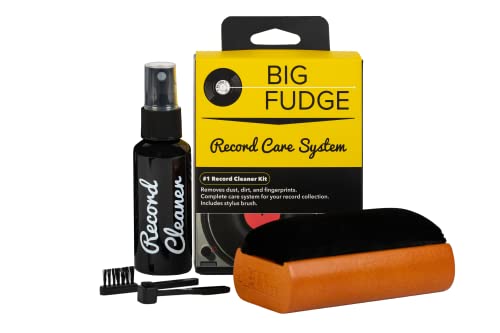
If you love records and record players, you must get a record-cleaning kit like this one. It is designed to ensure that your records stay in excellent condition to last you for decades.
Get this cleaning set and keep your vinyl records in perfect condition!
Don’t buy a record player with inconsistent speed
Since the demand for records has risen in recent years, so has the amount of record players that are being produced. Just like there are good quality record players that are on the market, there are also many record players that are just not worth it.
If you buy a cheap quality vinyl record player then you can certainly damage your record collection with them. One way that your records can get damaged by a player is with inconsistent RPM speeds.
You need to make sure that the RPM speed of your vinyl record player is consistent. If the RPM speed is irregular then it is going to leave scratches on your vinyl records. Normally you will experience issues like these on the lower end model of players.
If you are buying a record player for $50 while other players are selling well into the hundreds you can expect that the cheaper model is going to have some issues. Cheap record players are going to be mass produced and will have a lot of minor issues that can cause lasting damage to your records.
The cheap or poorly designed record player will often spin at an irregular speed that is going to do damage to your records.
Just because a record player is not the most expensive doesn’t mean you shouldn’t buy it. As with most things, you don’t want to buy the cheapest or the most expensive model on the market. You want to find a player somewhere in the middle.
An average mid range vinyl record player is going to cost you a couple hundred dollars . If you are spending that much money then you should get a product that will provide you a great experience and won’t damage your records.
A great model that won’t break the bank but also has excellent reviews can be found on Amazon here.
Why is buying a suitcase vinyl record player a bad idea?
Almost every vintage vinyl record collector would agree that you should never buy a suitcase style record player. If you are new to record players then you should probably avoid getting the record players like this. This design was initially introduced by Crosley and became a quick sensation among the new vinyl enthusiasts. They might look quite nice and would fit in well with the other decor in your house but they are not designed to give you a good experience when playing your records.
The sound quality from the built-in speakers is often way too soft and the quality of the sound is quite poor as well. These players are specifically designed to grab as much of the new record enthusiasts who simply don’t know that this style record is not a good option.
When you play your records on this style of cheap player you are risking damaging your records and are also not getting the proper experience that records can give. You are shortchanging your records simply because of the cheapness of the parts of this style player.
As mentioned earlier the only people who should consider this style of player is someone who hasn’t invested much time or money in their record collection or is unsure of records are really “for them”.
Assuming this isn’t your case then you should avoid buying the cheap suitcase style players.
Check out the video below for 5 reasons why you shouldn’t buy this style of player.
Avoid record players with a bad phono cartridge
The purpose of a phono cartridge is to transfer the information from the vinyl’s grooves. Knowing that we can also know that the better the cartridge, the better the sound quality the record player will produce. Often times, these phono cartridges are not made by audio engineers and they produce very poor quality sound.
Since they are mass producing record players for half the price of a good record player you can’t expect the quality to be very good. You are going to compromise the audio quality if you buy a cheap player.
If you don’t want to ruin the audio quality and potentially damage your vinyl records then you should probably invest in a better record player that has a good quality phono cartridge.
When you play vinyl records regularly, the quality of the record is going to degrade over time. However, if the phono cartridges are of good quality and are set up correctly, then you can easily tell if your record’s quality has begun to get worse.
Conclusion
If you don’t know much about vinyl record players and you still want to buy a new record player then it is important to take the time to research the different models and brands on the market,
You should already know to avoid the suitcase style player (you did read that section right?) but knowing which player has the best sound quality and the best cartridge can be harder to determine.
Asking at your local record store or talking with a friend or family member that is into record collecting is a good way to get headed in the right direction.
You can find plenty of videos on Youtube as well as forums and sites that will give you some tips and tricks. However it is important to make sure that any site or video is put out by someone who knows what they are talking about. Check out the rest of their videos (or website) and see if they know other things about records or if they are just trying to promote a specific brand because they were paid to!
In the video below Vinyl Eyezz gives his top 5 affordable record players. He has over 166,000 subscribers and every single video on his channel is all about records and record players and his 280+ videos over the last four years all have hundreds of thousands of views.
That is the kind of reviews that you want to look for when buying a record player.