
*This post may contain affiliate links. As an Amazon Associate we earn from qualifying purchases.
It is exciting to be able to spend time playing games on your PlayStation and being able to enjoy all the latest video games and streaming or watching various movies via blu-ray or dvd. When you are using your Playstation on a daily basis to play your video games, taking proper care of it is very necessary.
Apart from daily cleaning and removal of dry dust from your console, what should you do if your PlayStation accidentally gets wet? What if you have spilled coffee or water onto your PlayStation?
If you spill something on your Playstation the first thing you want to do is unplug it from the outlet. Keeping the liquid from getting into components with electricity running through them will help keep the system from being destroyed.
Once it is unplugged you will then want to turn the Playstation where it is upside down or sideways to allow the water to escape the same way that it went in. Once you believe all of the water is out of the machine you will want to open it up (if possible) and let it dry out for a few days or weeks depending on how much water got into the system.
All of these above steps should be taken while the system is unplugged and it should remain unplugged until it entirely dries out. The reason for opening up the system is to allow it to dry out quicker and also allows you to see if there are puddles of water inside.
If there are then using a small towel or cloth to dab them up will help the drying process.
For all of these unfortunate and unlikely situations, it is important to act quickly to keep your device from being totally destroyed. A wet PlayStation is obviously not good at all and recovering your device is dependent on how quickly that you act.
Water damage needs an immediate solution so that you can avoid the after-effects like electrocution, and the system malfunctioning.
Whether the above steps will allow you to salvage your system depends on how quickly you were able to unplug the device and how long it had been exposed to the liquid.
If you love PlayStation you need to check out this amazing game room light decor. It looks just like the buttons on the PlayStation controller and the light reacts to the music that you are playing as well! You can check it out by clicking here.
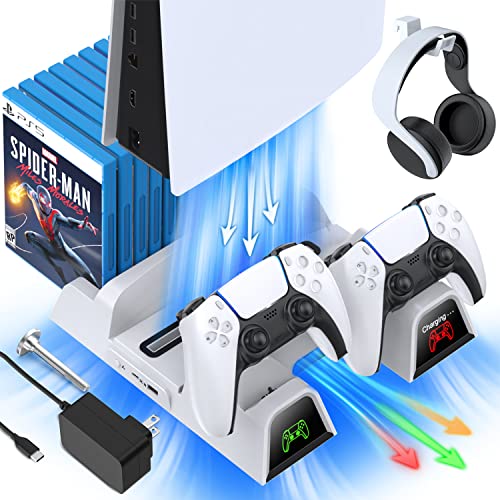
If you have a PlayStation console you should also have one of these stands. It makes it incredibly easy to organize your console and games as well as charge your controllers at the same time.
Plus it has a cooling fan to make sure your console doesn’t overheat when you have your weekend gaming marathons!
What to do first When Your PlayStation Gets Wet
For all PlayStation models, starting with the first Playstation system until the current one, it is very important to stop all gaming and remove the plug first. This is the only way to possibly save your system from being destroyed.
Once you have done that the next essential steps that you need to follow are listed below:
- If the water has penetrated deep into the PlayStation, then the first thing that should be done is to prevent the water from reaching other parts of the device. Try to hold the device upside down and let the water drip out. Even small amounts of water can lead to disastrous results so getting the water out as soon as possible is vital.
- Secondly, water damage is not covered by the warranty period for all PlayStation devices. Therefore, it is advised to remove the inputs first, and then completely open up your system. Since your device is no longer under warranty then you don’t have to worry about voiding the warranty when you open up the device.
You will want to open it up so you can allow the components to air out before turning it back on. You only need to take it apart as much as is needed to see and air out the system so you don’t have to take it entirely apart. You can check out the video below to see more specifics on how to disassemble the Playstation 4 but the older models will be similar.
- Now that the device is opened the next step is to take a small cloth or towel and dab up any remaining puddles of water inside the system. You can also remove any mud that has formed because of the water being added to the dust. Be careful that you don’t damage any wires or parts while trying to dab up the water.
- The next thing you are going to do is to let the water completely dry off before you reassemble the system. This can take a few days or even longer depending on how much liquid that the system was exposed to.
- Once the system is dry you will then need to reassemble it and plug it back in. This is the real moment of truth as you will know pretty quickly if the device is still able to be used or not. Be sure to listen for any unusual sounds and smell for anything burning as the wiring being messed up probably won’t be noticed until you plug it back in.
Assuming that there are no odd sounds or smells and that the system appears to have booted up like normal, your next step is to reconnect it to your TV and see if the output works. You will also be able to check and see if it is still able to play games and whether the controllers still work.
Hopefully once you have finished the above steps your Playstation will be back to working like it should be and you will be able to get back to gaming or watching your movie but what if it wasn’t just the system that got wet but your controller as well? How do you fix that? That is what this next portion of this article will be about.
How to Fix Your Playstation Controller That Got Wet
Another important aspect that needs immediate attention from all PlayStation users is the amount of damage that the water caused to the controller. In general, your controller is much more likely to get wet than your playstation system since your controller will often be on the same table as drinks and snacks.
What should you do if you accidentally get your controller wet?
- The first thing that you should do is to open up the battery compartment on your controller and remove the batteries. Just like unplugging the power cord on the system you will want to stop the flow of current first.
- Next, grab a cloth or paper towel and try to soak up all of the water that has entered the controller. Make sure that you soak up as much as possible here to allow it to dry quicker.
- Open up the rest of the controller and let it air dry out. This is similar to the system as you will want all the water to be gone from the controller before you try and use it again.
- Once the controller is dry then you can reassemble it and put the batteries/pack back into it. Turn it on and see if it works!
If the above steps didn’t work to fix the controller then you will have to do a more in depth process on it. This process is outlined in the video below.
Disinfecting the surface of the PlayStation
Once you have successfully removed water from your PlayStation or controller, it is a good idea to take the time to sanitize the surface once again. Simply using a cloth or a towel to rub the surface is not enough. Once the water enters the device, it is possible for bacteria to build up as well. Therefore, it is essential to grab a disinfectant and use it on your system before this can happen. The most common agent that can be used to keep your PlayStation clean is to use isopropyl alcohol. The steps to do so are as follows:
- Many electronic stores will sell this agent in a small bottle, which should be applied with the help of a small cotton swab or cloth. Do not rub too hard or too much on the surface as a gentle rubbing down will work just fine. .
- Take a small dab of the alcohol liquid and rub on the surface to remove the dust and any remaining mildew or grime. You will want to clean every area that you can reach so doing this before you reassemble the system is a good idea.
- Be careful to not knock any wires loose while trying to reach into spots. You can use a cue tip to reach small spots with the alcohol solution.
- Once done, be sure to assemble the whole device properly. You do not need to use anything additional besides the alcohol solution as it is enough in almost every situation.
- Note that apart from using isopropyl alcohol, no other disinfecting agent must be used. The entire PlayStation system can be permanently damaged here so you don’t want to use something with added scents or something that isn’t pure alcohol. For effective cleaning and removal of water from the surface of the PlayStation, just follow the simple steps of soaking and disinfecting!
Once the whole process has been done and the water spillage has been taken care of completely it is a good idea to stop and assess how or why the liquid got spilled on the device in the first place. If your system is in a place where you normally place your drinks then mounting a shelf to put your system up above them or putting your system or drinks in a different spot is also a good option.
Conclusion
Since Playstations are not waterproof then you will want to pay attention to where the system is kept and whether drinks or other liquids are often in close proximity to your device. If you notice that you are often putting drinks down next to your gaming system then you will want to either start putting them somewhere else or move your system to another spot.
Even if you are SURE that you will never spill a drink it is always a good idea to not have any liquids near your system because accidents are bound to happen. A small amount of prevention by moving the drinks or system to another spot will keep your Playstation water damage free for a long time to come.