
*This post may contain affiliate links. As an Amazon Associate we earn from qualifying purchases.
If you are a Nintendo owner or fan you have probably heard about Nintendo Selects games. These games can often be found cheaper than many other titles that are released by Nintendo but why is that?
Nintendo Selects are often cheaper because they are for older consoles and not for the latest ones. Currently Nintendo Selects games are only available for the Wii, Wii U, and 3DS which are all 8+ years old consoles.
Nintendo certainly isn’t a company which is known for offering too many great discounts on its games. So getting something like Nintendo Selects which offers games that are good and at a sizeable discount has come as a shock to many people.
Since Nintendo consoles stay popular for many years or even decades after release Nintendo is capitalizing on that continued popularity by releasing some of the most popular games as Nintendo Selects. There are currently 22 Nintendo Selects titles available for the Wii U, and 3DS on Nintendo’s site so it is far from being all of the popular titles but if you own one of those consoles it is certainly worth checking out.
Are you a huge Nintendo fan? Then you have to check out the Mario and Nintendo gear that you can get. Whether you want a Mario wallet, a Nintendo sweatshirt, or a classic NES hat there are plenty of choices to choose from. You can find them all by clicking here.
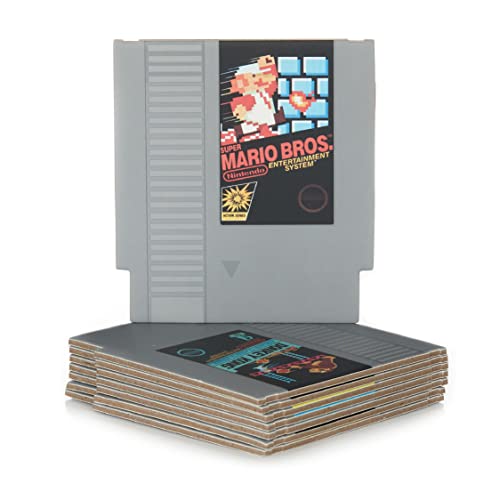
Do you love Nintendo? Then you have to check out this amazon NES cartridge drink coaster set!
This set includes 8 double sides drink coasters that look just like the classic NES cartridges.
This set is a perfect gift for the gamer in your life!
Why did Nintendo introduce Nintendo Selects?
There are two major reasons for introducing Selects. Both of these reasons are tied to each other and tend to overlap as well. These are:
Price
Nintendo customers faced a double whammy not long back. There were the Wii games which are some of the best games available but on the other hand, their prices take too long to drop. No one has this kind of time to wait, especially not a regular player. Being that prices take a long time to drop Many people either go to other consoles or stop buying older consoles and games altogether.
With the drop in price of the Nintendo Selects games many people could now afford to get some of the most popular games for the Wii, Wii U, and 3DS which in turn helped Nintendo sell more games for those older consoles.
This drop in price has been incredibly helpful to players who can’t afford to empty their wallet for a new Nintendo game but still want to have fun. These Nintendo Selects games are a perfect way to get those people who are willing to spend some money but can’t afford to buy the latest and greatest games and consoles. With games like the Legend of Zelda: Ocarina of Time, Super Mario All Stars, and many other popular games, the Nintendo Selects is a great way to play the best hits on some older consoles.
Wii’s failure
Another reason for Nintendo leaning towards Selects and offering some previous titles at a discount is because of the Wii’s failure. Wii U has great games but it’s clear that it’s not doing well since Nintendo is already planning on launching a brand new console even before its competitors have a single reason to make such a decision. In such a situation what Nintendo can do to make its titles more appealing is to offer good price discounts. Of course Nintendo isn’t going to give it to its new games but older and popular games certainly do deserve this treatment so that Nintendo can get some sort of footing back in the industry.
As said in the introduction, this isn’t something which the company has done a lot before, but with Selects, it’s time to do just that.
So, Nintendo re-released older Wii, Wii U, and 3DS titles under its Selects banner. You will be able to buy these at a super reasonable price and their pricing compares pretty well to Microsoft’s renowned lineup called Platinum Hits. As such this discount makes the games very affordable for new and old gamers alike.
They can go back to their Wii, Wii U, or 3DS and begin playing some of those much sought after and back-in-the-day expensive games. Overall, this discount was given to lure both new and old players.
What games are there in Nintendo Selects?
There are a lot of games that have been released as Nintendo Selects over the last few years. As of right now there are 22 Nintendo Selects games that you can purchase on Nintendo’s website but there are many others that have been released over the years that can be found on places like Amazon.
The games currently available for purchase on Nintendo’s site are:
- Star Fox 64 3D (3DS)
- Super Mario Maker (3DS)
- The Legends of Zelda: Majora’s Mask 3D (3DS)
- Super Mario 3D Land (3DS)
- The Legend of Zelda: A Link Between Worlds (3DS)
- Mario & Luigi Dream Team (3DS)
- Kirby: Triple Deluxe (3DS)
- Ultimate NES Remix (3DS)
- Tomodachi Life (3DS)
- Nintendogs + Cats (3DS)
- Animal Crossing New Leaf (3DS)
- Luigi’s Mansion Dark Moon (3DS)
- Lego City Undercover The Chase Begins (3DS)
- The Legend of Zelda Ocarina of Time (3DS)
- Donkey Kong Country Returns 3D (3DS)
- Mario Party Island Tour (3DS)
- Yoshi’s New Island (3DS)
- The Legend of Zelda: The Wind Waker (Wii U)
- Nintendoland (Wii U)
- Lego City Undercover (Wii U)
- Super Mario 3D World (Wii U)
- Pikman 3 (Wii U)
The list above is just scratching the surface of the Nintendo Selects games that you can find online or even in stores. The Selects from the Nintendo website are all digital downloads so the physical games might cost more from certain stores and the prices of some of the older Selects have actually gone UP since their release for the used games!
Why is Nintendo so reluctant to bring the prices of its games down?
Nintendo’s behaviour of not reducing the prices of its older games has been very baffling for many people. After all, every other game publisher engages in this kind of tactic. When they release a game it’s at a standard price but as time goes by they bring down its price as months and then years go by it becomes affordable for everyone to own.
Nintendo on the other hand keeps its titles at their given launch price till they inevitably aren’t in print anymore. When those titles aren’t in print then resellers tend to hike up the prices even more!
This strategy works because it works for Apple too. It gives off the vibe that Nintendo’s video games are way more important and valuable than others. Why Nintendo has chosen to release some games as Selects and at a discounted price is anyone’s guess but Nintendo fans certainly aren’t complaining!
Conclusion
Overall, you should definitely give Nintendo Selects a chance. After all you will get to play great and popular games but at a lower price.
It’s a steal for sure.
It’s not known if Nintendo plans on continuing this trend of bringing its older titles in the Selects lineup or if they will stop with the Wii U and 3DS. Even with that uncertainty, Selects is proof of the company for now being far flexible than they have ever been in the past.
After all, maybe Nintendo has realized that it’s shine of superiority over other companies is slowly coming off as cash strapped customers go for cheaper titles more and more. It’s Wii U is also not even near the other consoles in the console race wars. As for the 3DS, it never sold as well as the previous consoles.
As such Selects is a welcome boost that might very well signal a changing business policy from this popular gaming company, Nintendo.