
*This post may contain affiliate links. As an Amazon Associate we earn from qualifying purchases.
Have you ever been playing on a pool table and wondered why the shape is a rectangle? What if the table was a square or a different shape? Well, in this article we will go over everything you need to know about pool tables and why they are a specific shape.
So why are pool tables a specific shape?
Pool tables are a rectangular shape for many different reasons. These reasons include visibility, quality, aesthetics, tradition, accuracy, and so many other reasons. If pool tables were all different shapes and there was no standard, there would be no way to have a fair tournament as the tables would all be different.
If you want to know more about pool tables being a specific shape, you will want to keep reading this article. We will go into every detail about why pool tables are rectangular and how it matters. You can also watch this short video to learn exactly how a pool table is made.
If you are looking to get better at playing pool one of the best ways to do that is by upgrading your pool cue. One of my favorite cues is the Viking Valhalla. It is available in a variety of colors and won’t break the bank. You can find it by clicking here.
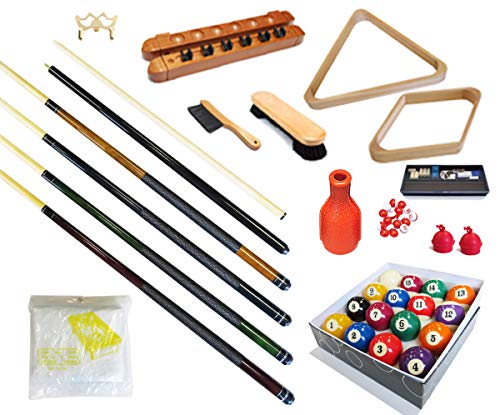
If you have a pool table then you need to get this accessory kit. It includes pool cues, extra pool balls, and all the gear you need to keep your pool table in tip-top shape.
If you are tired of your kids (or friends) ruining your good pool cue when they play then having these extra ones will keep that from happening (just be sure to hide your good one!).
Does the Pool Table shape really matter?
Many people think that the shape of a pool table does not matter. However, if you are a pool lover, you will be curious to know why the pool tables have a specific shape. Today, the pool game is among the most played games throughout the world. Other than being right when making shots, the shape of your pool table can significantly affect your general gameplay. For this cue game to be successful, the shape of the pool table matters a lot. Below are some of the reasons why pool tables have a specific shape.
- To increase its overall quality
The shape of a pool table affects its quality. When the table is well-shaped, it becomes of high quality. Quality is very crucial as it affects how your pool gaming skills will be at the end of the day. A poorly shaped pool table will easily throw off your game and make you not want to play pool. This is why if you are a pool lover, you will want to consider purchasing a good quality pool table.
- For appealing design features
Generally, pool tables are all shaped the same. Even though they are rectangular and have the same dimensions, the design of the table can vary. The shape that a craftsman chooses displays his/her creativity. Artisans are usually very keen when making the design of a pool table. When well-shaped, the pool tables are appealing and very attractive in any home. The accessories added on the pool tables may sometimes affect their general shapes. For instance, features like rail-anchoring systems and frame-joinery designs significantly affect the shape of a pool table.
- To offer better gameplay
The shape of a pool table also affects the gameplay of the game. A well-shaped pool table offers better gameplay than a pool table that has a poor shape. When the shape is lovely, there will be an aesthetic difference in the pool game as you will experience better gameplay. If you want to purchase a home pool table, be sure to purchase one that is well built and has good aesthetics as this can make the area where the table is feel different.
- To offer better visibility during gameplay
In pool gaming, visibility is a very crucial factor. The pool tables that are well-shaped have better visibility than those that have imperfect shapes. You might be outstanding in making shots, but if your pool table has a poor shape, your skills won’t do you any good. At this point, a game about skill would become a pure game of luck. A good shape helps the player to focus well on the shots. It also ensures that the ball does not jump off the frame of the pool table.
- Supporting tradition
As we have seen, the rectangular-shaped pool table has been the traditional shape for decades now. When watching televised tournaments, you are likely to see the rectangular shaped pool tables there. Also, for most people, when the pool table is mentioned, the first thing that comes to their mind is a rectangular-shaped pool table. One reason why the rectangular shaped pool table is used over the last decades is because pool players appreciate tradition, and they do their best to keep the tradition alive.
- It ensures accuracy when making shots
One advantage of having a good shape for your pool table is that it ensures accuracy when you are making shots. This means that the shape of a pool table will affect the accuracy of your shot. For those pool tables that are well-shaped, your shot will go exactly where you want it to as the table is 100% accurate. Suitable shapes also make sure that you can control your shot. In other words, poor shape results in misalignment faults as you hit the pool ball for your shot. This default shape will also lead to a flatter tip that results in sidespin.
- It helps to make precise shots
The shape of the table affects your pool gaming skills. When playing on a well-shaped pool table, you are likely to make precise shots and not miss.. When playing against your opponent, you can pay attention and have all your shots lined up and ready to go because you know the table is 100% accurate.
- It affects the leg construction of the pool table
The overall shape of the table determines the construction of the pool table’s leg. Quality pool tables have suitable shapes and unique leg construction. For most of the well-shaped pool tables, their leg construction is either a two pedestal-style legs or four individual legs. When the pedestal-style legs are used, they are usually framed with sturdy solid material. On the other hand, if the four individual legs are utilized, the manufacturers ensure that the legs have sufficient strength to carry the heavy weight of the table. There is a specific method in which the legs of a slate pool table are constructed. This method of construction helps to keep the entire table rigid.
Are their other shapes available?
Other than the rectangular shapes, artisans have very many other ways of shaping pool tables. For instance, some pool tables are oval-shaped while others are banana-shaped, watercraft shaped, and many other unique shapes. These unique shapes are a way of adding fun and excitement to the recreational room and gameplay. If you have been looking for a distinctively shaped pool table, you can go a little outside-the-box, and have these unique pool tables for your home.
If you are wanting to play pool professionally though, it i snot a good idea to get one of these tables as it would throw off your game, and make the game more about luck than having actual skill when you played,
Conclusion
Most pool tables have rectangular shapes, although there are others that have unusual designs. These tables transform the usual pool tables into all sorts of lovely shapes that do not associate with pool tables. These shapes range from ordinary pool tables to uniquely shaped pool tables with humorous shapes like yellow bananas, to those that resemble automobiles.
No matter what shape you are looking for, if you want a custom shaped pool table, you can find someone who will make it for you. For those who want a one-of-a-kind amusing pool table, you now know what to choose. If you are wanting something that is sturdy and going to last a long time as well as allow you to hone your pool skills, you will want a traditional rectangle pool table.