
*This post may contain affiliate links. As an Amazon Associate we earn from qualifying purchases.
To be honest, most of the gaming world were surprised that Nintendo did not buy Rare because they have had a great collaboration together and earned millions of dollars.
We know that this matter has been discussed on many platforms and you may have found thousands of reasons why Nintendo did not buy Rare. But does anyone know the actual reason? Probably not, and according to the owner of Rare; “We really don’t know the reason why Nintendo isn’t collaborating with us anymore.”
So Why Did Nintendo Not Buy Rare?
One of the most likely reasons is that Nintendo didn’t see value in Rare anymore. If you consider how much of a spendthrift Rare was, Nintendo might not have wanted to spend money on them. At the time, Rare games hadn’t been selling well, mostly due to Nintendo changing marketing tactics with them that did not work out very well.
If you would like to know more about why Nintendo did not buy Rare then you will want to keep reading this article. You can also check out this video to learn about Rare and Nintendo.
Are you a huge Nintendo fan? Then you have to check out the Mario and Nintendo gear that you can get. Whether you want a Mario wallet, a Nintendo sweatshirt, or a classic NES hat there are plenty of choices to choose from. You can find them all by clicking here.
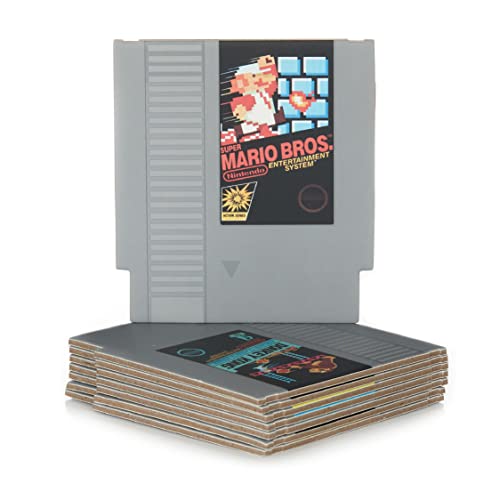
Do you love Nintendo? Then you have to check out this amazon NES cartridge drink coaster set!
This set includes 8 double sides drink coasters that look just like the classic NES cartridges.
This set is a perfect gift for the gamer in your life!
Rare and Nintendo
Rare (occasionally referred to as Rareware) is a British video game developer. The organization was founded in 1982 by brothers Tim and Chris Stamper as a company called Ashby Computers and Graphics Ltd. and published games under the name Ultimate Play the Game. Although their early work was popular, software piracy was a serious problem in those days and a threat to their company’s livelihood.
They renamed their company Rare and began focusing on cartridge games, of which illegal copies were much harder to make.
The company subsequently began to focus solely on the popular Nintendo Entertainment System platform, and in 1994 they entered an exclusive publishing agreement with Nintendo. Rare achieved great critical acclaim and earned an international reputation for creating successful SNES and N64 titles such as Donkey Kong Country, GoldenEye 007 and Banjo-Kazooie, among others.
Rare was actually surprised by this move of Nintendo because they had produced the most iconic games for the Nintendo Gaming Consoles.
Nintendo Stands Alone
After the releases of a few Nintendo games, the Rare company was hit by a huge setback because the sales weren’t up to the mark and they had to sell out the game with lower prices. As we all know, Nintendo does not like to lower prices.
Nintendo also was not interested in paying the Rare developers anymore. Nintendo decided it would be better to have their own developers in house rather than contracting out the work.
Nintendo is now standing tall on their own feet because they have given some big blows to their competitors. The year 2019 was a great success story for Nintendo.
Microsoft and Rare
Even if you take into account that Nintendo not so much sold Rareware as didn’t ever buy more than 49% of the stock, they probably sold that with a sigh of relief. It’s not that 90s Rare were not one of the great development studios, with Donkey Kong Country 1 and 2, Diddy Kong Racing, Goldeneye, Killer Instinct, Perfect Dark, and Banjo-Kazooie under their belt.
But ultimately, there were three things that made not buying Rare and instead letting Microsoft buy them out a good idea.
- Rare was not quite as good in 2002 as they had been in the 90s.
- Rare might have been the second best company in the world at making Nintendo Games, but Nintendo was Nintendo
- Microsoft were throwing loads of money around to make the XBox a success – and Nintendoo having some of it wasn’t bad.
Rare in 2002 hadn’t had a major hit in a few years. Part of that was Nintendo messing around with respect to Dinosaur Planet/Star Fox Adventures but it wasn’t entirely Nintendo’s fault. The classic games that Rare created, with the exceptions of Goldeneye and Perfect Dark as FPS games were competing with Nintendo franchises; Donkey Kong Country may have been one of the best 2d platformers around – but so was Mario. Banjo Kazooie may have been one of the best 3d platformers around but again so was Mario. Diddy Kong Racing may have been one of the best kart racers ever – but so was Mario Kart. Rare games competed with Nintendo games and so were of less use to Nintendo than they would have been to any other publishing company.
If you were having second thoughts on a development studio because they were competing with your own brand product and because they were not as good as they used to be then 2002 was a perfect time to sell to Microsoft; Microsoft were flinging money around to make the XBox a success (which they needed to do). So having got a lot of value out of Rare then it was a perfect time to withdraw their stake.
Letting Microsoft buy Rare wasn’t a nice move by Nintendo (Nintendo corporate isn’t terribly nice) but was a smart move with how much money Microsoft were willing to pay for Rare.
Although many people did not like the decision, to not buy Rare, Nintendo made the right choice to not purchase them. The money that Microsoft was willing to pay for Rare, gave Nintendo the edge that they needed when making their next console. Nintendo was smart to not overpay right before it went into production of their new console.
Nintendo and Rare Games
When Nintendo and Rare were collaborating on games, there were quite a few that stood out in the crowd of gaming systems. A few of the more notable games were:
- Battletoads
1991 – NES
- Donkey Kong Country
1994 – SNES
- Killer Instinct
1994 – Arcade/SNES
- GoldenEye 007
1997 – Nintendo 64
- Banjo-Kazooie
1998 – Nintendo 64
- Jet Force Gemini
1999 – Nintendo 64
- Donkey Kong 64
1999 – Nintendo 64
- Perfect Dark
2000 – Nintendo 64
- Conker’s Bad Fur Day
2001 – Nintendo 64
Conclusion
Again, we know that this matter has been discussed on many platforms and you may have found thousands of reasons why Nintendo did not buy Rare. But does anyone know the actual reason? Probably not, and according to the owner of Rare; “We really don’t know the reason why Nintendo isn’t collaborating with us anymore.”
One of the most likely reasons is that Nintendo didn’t see value in Rare anymore. If you consider how much of a spendthrift Rare was, Nintendo might not have wanted to spend money on them. Also, at the time, Rare games hadn’t been selling well, mostly due to Nintendo changing marketing tactics with them that did not work out very well.
Nintendo has been very smart throughout the entire building process, and over the years, Nintendo has made many smart moves when it comes to what to purchase, what trends to follow, when to start a new trend, and what they can do to set them apart. This smart thinking is what has kept Nintendo around for so long when a lot of other companies have come and gone.
Nintendo has shown us that they are not in for the short run, but are in for a long time. They have many great games and consoles, and no matter how times may change, Nintendo is going to be around.