
*This post may contain affiliate links. As an Amazon Associate we earn from qualifying purchases.
Have you ever wondered why Sega changed the beloved character, Sonic’s voice? Maybe you are a long time fan of the Sonic game series and noticed that Sega changed his original voice, and you were wondering why Sega made this change.
Well in this article we will go over everything you need to know about why Sega changed Sonic’s voice.
So why did Sega change Sonic’s voice?
Sega changed Sonic’s voice many times because over time the different voice actors voices would change. Sega had to replace all of the Sonic the Hedgehog series voice actors with the Sonic X voice acting team in order to keep their voices the same in all of the media forms.
If you want to know more about why Sega changed Sonic’s voice you will want to continue reading this article. You can also watch this video that compares all the different voices that Sonic has had in the past.
Are you a huge Sega fan? Then you have to check out the amazing Sonic and Sega gear that you can get. Whether you want a Sonic wallet, a Sega sweatshirt, or a classic hat there are plenty of choices to choose from. You can find them all by clicking here.
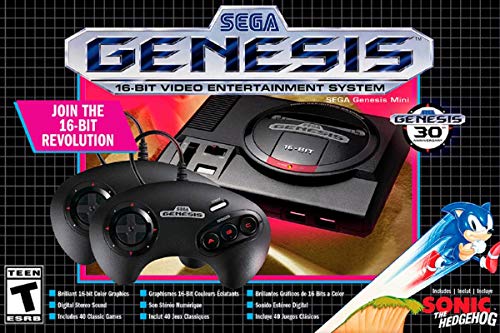
If you love Sega then you will want to check out this Sega Genesis Mini console. It comes with two controllers and even comes preloaded with 42 Games!
Enjoy these classic Sega Genesis games without having to purchase a single game cartridge!
The Changes to Sonic’s Voice
The fans were very disappointed with this change. They appointed Jason Griffith as a voice actor in the year 2005. It was under controversy because his voice was unfavorable as compared with previous voice actor Ryan.
His voice was more cartoonist and emotionless where Ryan’s voice was much more mature and realistic, but still they decided to drop Ryan as the voice actor for Sonic.
After some time, in 2010 Roger Craig Smith replaced Jason, and he is the present voice of Sonic the Hedgehog. It was again under controversy, as Sega appointed him directly with no audition. Jason Griffith was improving with time, but he got replaced by a person who was selected with no audition as everyone else was.
The Different Voice Actors of Sonic
Sonic is one of the most famous gaming characters and Sega has emphasized choosing the right voice for its character and updating it from time to time as required.
Jaleel White is an American actor and screenwriter. He is best known for the role of Steve Urkel. He was the first voice of the character that played it in three cartoons by DIC as Sonic the Hedgehog, Adventure of Sonic the Hedgehog, and Sonic Adventure ending with Sonic Advance 3.
He played as the voice actor for Sonic from 1993 to 1999.
Only a few people know about the involvement of White with Sonic the Hedgehog. His voice was unique which does not represent any race as he did not want Sonic to sound like a black man. He was famous for his voice. He was the voice behind Cartoon Sonic.
His fans loved his voice and termed his work as a fantastic job. Because of dropping off using the classic voice for Sonic, White was never contacted again.
Ryan Drummond is an American actor, performer and voice actor. He is mainly known for his voice acting Sonic the Hedgehog from 1999 to 2005 along with various other characters.
After the unprofessional and lack of communication, 4 kinds contracted Ryan. They could not use Ryan because they did not live in New York.
After that he was replaced by Jason Griffith but continued to provide voice until 2004. In an interview, he said that they offered him a re-audition chance by Sega but he rejected the role.
Jason Adam Griffith is an American actor and voice actor. He has worked for 4 kids Entertainment and others. He is popularly known for his voice of Sonic the Hedgehog from 2005 to 2010 after replacing Ryan Drummond.
Griffith was contracted with 4 kids Entertainment for the voice of Sonic the Hedgehog and Shadow the Hedgehog. After that Sega replaced all the voice actors to keep consistency and similarity in voice overall media forms and Griffith took over the voices of Sonic and Shadow.
When Griffith took over the role as Sonic’s voice actor there was a lot of controversy. They saw that Griffith did not care much about the Sonic franchise and saw it as just a job.
Fans looked at Griffith as smug, compared with Ryan’s voice, Griffith’s voice was more cartoonish. Ryan’s voice sounded more realistic, but it changed. With time Griffith improved with more emotions in his voice, but they replaced him with Roger Craig Smith.
Roger Craig Smith is the present voice of Sonic. He is an American actor and comedian. He is known for his voice of Sonic the Hedgehog. After the voicing by Roger, he received mixed comments. Some fans complimented and praised him by saying that his voice has given Sonic a cool personality which was missing over the years, but some of them criticized his voice by saying that his voice is deep and unfavorable.
His voice acting created a controversy as Sega offered him the role with no audition as with Jason and Ryan who were auditioned for the role of voice actor for Sonic the Hedgehog.
Fans called it unfair. However, his popularity skyrocketed after Project Sega Sonic: Radio, it was an hour chat room. He was a special guest on the Talk it Up show and was interviewed by them.
During this interview Roger disclosed that he had to audition for the role of Sonic the Hedgehog just like everyone else.
More about Sega
Games are one of the most exciting things to do. It encourages us and pleasures us. The technological era has also contributed to the upbringing of the gaming sectors, encouraging new consoles and ideas, and one among them is Sega.
Sega Games is a Japanese game developer headquartered in Tokyo. It has many international branches. It is one of the popular brand names in the gaming sector over the world. Richard Steward and Martin Bromley founded Sega on June 3, 1960.
It started its functions by developing its first coin game in the late 1960s. After that, in the 1980s, Sega made video game consoles but there was a lot of competition from Nintendo Entertainment. It is from there that they formed Sonic the Hedgehog.
Sega released Sonic in June 1991 against its rival Nintendo’s character Mario.
Who is Sonic the Hedgehog?
Sonic is the main character of the Sonic the Hedgehog game series from Sega. He is a blue hedgehog with human traits who can run at high speed andis able to curl up into a ball to attack enemies.
In most games, Sonic runs to collect power-up rings by avoiding obstacles and enemies. Sonic the Hedgehog is one of the best-known video game characters in the world.
Sonic is so popular that Sega had sold over 80 million copies of Sonic by 2011. Sega was conscious about its mascot “Sonic” and chose Jaleel White to be the voice behind this beloved character.
Sadly, as you know, Sonic’s voice never was the same person. They replaced the voice actors from time to time, but the major controversy was during the time of Jason Griffith. Sega replaced him in 2010.
Conclusion
Sonic’s voice went from Jaleel White to Ryan Drummond, then by Jason Griffith and then the voice of Roger Craig Smith. This was the journey the voice of Sonic the Hedgehog, which is with Roger Craig Smith.
Sega changed Sonic the hedgehog’s voice many different times because over time the voice actors wouldn’t always do as good of a job as Sega wanted them to do or the actors voice would change. Each time it was changed the fans had mixed emotions, but it never changed how much gamers really love Sonic and the Sonic game series.