
*This post may contain affiliate links. As an Amazon Associate we earn from qualifying purchases.
Have you been playing your PlayStation and you began to reminisce back to the PlayStation home? Maybe you thought about telling someone about it, but you can’t find it anywhere ever since the PS4 was released. Well, in this article we will tell you everything you need to know about the PlayStation Home.
So why did the PlayStation Home fail?
Although there were many reasons that the PlayStation Home failed, a couple of the main ones are that only the beta version was released on the PlayStation and even though it hit its peak of users in just a few months, the game had a lot of glitches that frustrated users especially since Playstation is good about not releasing things with problems.
If you want to know more about the PlayStation Home, you will want to keep reading. You can also watch this video if you are like me and you just don’t like to read but will watch a short video. This video will tell you everything you need to know about the PlayStation Home and why it failed.
If you love PlayStation you need to check out this amazing game room light decor. It looks just like the buttons on the PlayStation controller and the light reacts to the music that you are playing as well! You can check it out by clicking here.
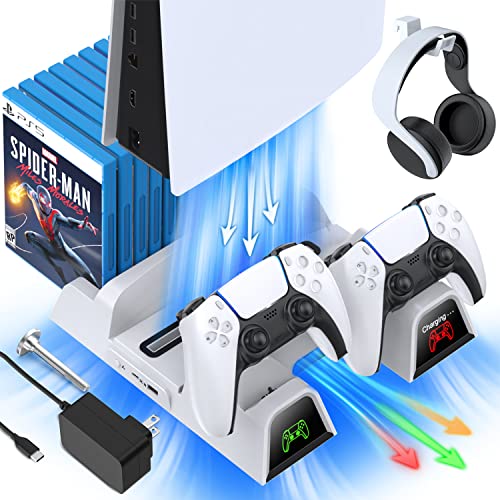
If you have a PlayStation console you should also have one of these stands. It makes it incredibly easy to organize your console and games as well as charge your controllers at the same time.
Plus it has a cooling fan to make sure your console doesn’t overheat when you have your weekend gaming marathons!
What is the PlayStation Home?
The PlayStation Home is a virtual gaming setup that includes virtual 3D games. It is an application in the PlayStation 3 console that can be accessed with the PlayStation Network.
It was not developed at the central headquarters of PlayStation which is in California. It was developed in London instead, and it followed a set of rules in the making.
Sadly it was not completely released on PlayStation. Only the beta version was released but because of the failure and a lot of glitches, it ended and was not further created.
PlayStation Home used the features of alternative reality to create a new world that is completely virtual. You can have the ability to create your character and room around with your friend’s characters.
There were shopping malls, roads, parks, and a lot of other things that can be visited in this interactive new world. Overall, it was an escape from the real world into the world of your dreams. Because of this advancement, it got a lot of appreciation and it reached its peak potential within months.
PlayStation Home was not intended for gaming. It was intended to be social, to interact with other people, to party, and to hang out with people. Therefore, it was different from what you expected it to be.
Reasons of Failure
The PlayStation Home used the technology that was way ahead of its time. It used all the interactive features that reached the top market of that time.
People who played it enjoyed this whole concept and gameplay but this ultimately ended.
Why did a technology so immense not reach its desired potential and expectations? Well, there are many reasons involved in this aspect.
The main reason for its failure is the bad promotion and almost no advertising. It got featured to only specific places therefore not many people were able to understand what it is and when it was releasing.
Only the hardcore gamers who keep track of everything related to games, were able to judge the actual purpose of this gaming piece.
Even if you asked PlayStation players about the home right before it released, only a few would have been able to answer when it was going to come out.
Who developed the PlayStation Home?
It was developed by Sony’s senior developer named Harrison who was not able to promote Home to its desired level.
Harrison, soon after developing the game, left Sony; therefore, there were no actual promoters to brand PlayStation Home in the gaming environment.
Another main factor in its failure was the understanding of the technology. Sony marketed this PlayStation concept as the advertising platform. People considered it a gaming platform since it originated in a gaming console such as the PlayStation 3.
But when people got the hang of it, they got to know that it was intended to be designed for socializing and its main purpose was to interact with people.
Many PlayStation players left the PlayStation Home because other than just interacting and a little more stuff, there is nothing really to do. When you start the Home, you will see players moving here and there and talking to each other, but outside of that the game became pretty boring pretty fast.
Although there are many visiting places in the Home, it gets boring after some time because of fewer things to experience. To stop the things from failure, PlayStation had to keep adding up things and keep the things related to the time and trend.
It would have turned out pretty interesting if the Home’s virtual world had more things to do rather than just bowling and playing arcade mini-games. People often complain that there were not enough things to do in the virtual world.
At one point, the number of users in this also increased so much that its server was very hard to handle. Therefore, there were small gaps in the delay between the management of the Home.
Another important thing to consider in the Home world was communication. The PlayStation Home supported the textual way of communication instead of the verbal one.
Players had to type each word using the on-screen keyboard which was hard to operate with the controller. Although an external keyboard can be attached, it was difficult to handle along with the PlayStation Controller and it added to the overall cost of the hardware.
People slowly started to drift apart because of this communication barrier. People who could bear these failures played and appreciated this virtual world but it was soon discarded by PlayStation itself because it was no longer a thing of priority for them.
Features of PlayStation Home
When you first started the PlayStation Home, you must have seen the beta agreement in it. Since it was not completely released, it was just a trial version with thousands of errors and glitches.
Although PlayStation Home offered a free membership with just a PlayStation Network account, it got its name as a failing brand because of its errors.
PlayStation Home featured tons of games and other stuff too and it got popular because of that. The PlayStation Home was like an image of the real world.
People could create their replica avatar characters on it and use it to do tons of tasks. It offered a world where the avatar could do things. Even the characters had their own homes where they could make the arrangement and decorations according to their choice.
It offered tons of people the options to interact with others in the games and they could play multiplayer mini-games in it to enjoy.
Conclusion
Although the PlayStation Home is no longer available, it was fun while it lasted. Even with the mistakes, it seemed that Sony was just a little bit ahead of their time when they released the beta version and did not hold off for just a couple more years.
If you do need any PlayStation accessories though, this place is the best place to get some.
Even though the PlayStation Home is not in every console in the world right now, when it first released it was the best thing that any gaming company had ever come out with. It was fun to get away from reality even if it was only just for a minute.