
*This post may contain affiliate links. As an Amazon Associate we earn from qualifying purchases.
Have you ever owned a pool ball set that turned yellow? Maybe you were just playing pool at a place and the pool ball set was yellowed and looked disgusting. Well, in this article we will go over everything you need to know about pool balls and why they may turn yellow.
So why do pool balls turn yellow?
Because pool balls are made with a plastic resin, they actually go through a process called photo degradation because of sunlight. So if your pool balls are turning yellow, it is simply because they have been in direct sunlight.
If you want to know more about pool balls turning yellow, you will want to keep reading. You can also check out this video about what the inside of a pool ball actually looks like.
If you are looking to get better at playing pool one of the best ways to do that is by upgrading your pool cue. One of my favorite cues is the Viking Valhalla. It is available in a variety of colors and won’t break the bank. You can find it by clicking here.
What are pool balls made from?
In order to actually know the reason behind pool balls turning yellow and changing color, we first of all have to get ourselves acquainted with the materials and components that make up a pool ball.
Larger percentage of most pool balls are made up of sturdy plastic components which can actually withstand breaking and chipping.
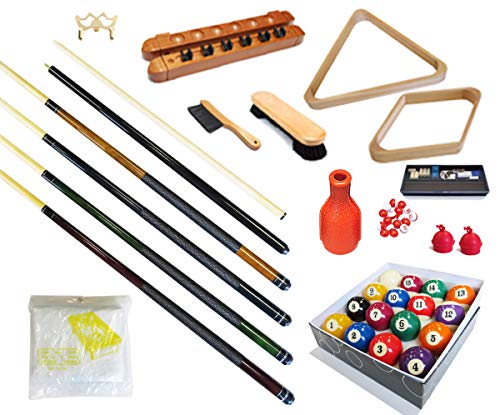
If you have a pool table then you need to get this accessory kit. It includes pool cues, extra pool balls, and all the gear you need to keep your pool table in tip-top shape.
If you are tired of your kids (or friends) ruining your good pool cue when they play then having these extra ones will keep that from happening (just be sure to hide your good one!).
What makes pool balls change colors?
As it is common to most plastic materials, they actually experience a process called photo degradation which happens when there is exposure to sunlight together with heat and oxygen by means of the process called photo oxidation. This whole process breaks down the structure of the plastic material with which the pool ball is made and in turn changes the color of the balls to yellow.
Pool balls turn yellow from exposure to sunlight. To state in plain English, all we have explained in the introductory paragraph, Pool balls actually turn yellow due to exposure to heat and sunlight.
We now know that pool balls are made from plastic materials. These plastic components are ones which tend to change their perceived colour when they are exposed to sunlight, as the materials in such plastic tend to reduce quality and also change color due to heat.
So do not be surprised when your pool balls begin to change color and turn yellow. This is because you have either exposed your pool balls to either direct rays of sunlight or concealed them in heat.
How to stop your pool balls from turning yellow.
Now that you know why pool balls turn yellow, how can you prevent yours from turning yellow? You can do this by actually putting your pool balls in a cool moisturized environment. You will want to avoid storing them up together in hot weather conditions. The best place to store them is in a place that would have plenty of resh air.
One important thing you can also do is to situate your pool table far from rays of the sun. You might wonder, how would this help? Most times, when you place your pooling table under direct sunlight and gamers play under such conditions, even though the pooling balls are being used and are moving around, as they are moved, they are still affected by sunlight, no matter how small.
By this habit, the process of your ball turning yellow is gradual. Though you may not notice and it might be an insignificant change at first, it would eventually turn yellow from the heat under which it is played. This is why it is best to place your pooling table under moist and cool weather conditions, so as to reduce the pace at which the pooling balls turn yellow.
Can you get rid of the yellow on the pool balls?
When your pool balls eventually turn yellow, you can actually clean off the yellow colour. For you to be able to do this, you are going to need some equipment. You would need to get yourself a dishwasher, toothbrush and toothpaste, Mr. Clean magic eraser, a bowl, more than enough water, baking soda, a dry cloth and most importantly, an Aramith billiard ball cleaner.
First, you will need to apply your Aramith ball cleaner. After this, then you will need to clean them with a dry cloth until the yellow is out and the ball is sparkling. Put a little amount of baking soda in the bowl and slowly add water until you form a paste. You can then apply the paste to the ball with a brush. After this you will need to rinse off the paste immediately, and then dry with a fresh cloth.
In order to get a better outcome, you can add a sprinkle of water to the eraser before you begin. You have to make sure that you do not leave the ball wet, as this will damage it.
After all these processes, you can be sure to have a sparkling ball that has all its yellow surfaces removed and cleaned. In all these processes, you have to be thorough.
If you have a yellowed pool ball and you think it cannot be salvaged, you are actually wrong. If you follow these processes, you can have a sparkling ball, and also save yourself some money.
In the course of getting this exposition, many might think, it is really not necessary to be bothered about yellowed pool balls. They might think that it doesn’t really matter if their pool balls are yellow or not, but you should actually take note of the colour of your pool balls. You should be careful that your pool balls do not turn yellow.
Why are white pool balls important?
It simply is a matter of aesthetics. Little do you know that aesthetics add a lot and the productivity of your pool hall depend on it. If you have ever been to a place that has yellow pool balls you know how that effected your thoughts of the place as a whole. When people see how good your pool balls looks, they also take a good look at your equipment. The look of your pool structure and equipment builds people trust and confidence in yourfacility. . This is why you will not want to underestimate the power of aesthetics.
Conclusion
This article has taught us the fact that pool balls can actually become yellow and why they also do so. This is due to exposure to heat and sunlight. This article has importantly told us of the need to keep our pool balls and tables in moisturized conditions. This would help reduce the pace at which the pool balls get yellow and change colour. It has also told us how to remove yellow colouring from our pool balls.
We have also been exposed to the fact that keeping our pool balls shiny and in good colour actually boost sales. It highlights the dangers of ignoring the aesthetics of our polling halls, as this goes a long way to boost sales.
If you have already gotten rid of your pool balls, and you are looking for new ones, there are many different options of pool balls to purchase. You can find some cheaper pool ball sets, all the way up to the sets that professionals use. If you are looking for a good set of pool balls that are not extremely expensive, but also will last a while, then you will want to purchase a set like this.