
*This post may contain affiliate links. As an Amazon Associate we earn from qualifying purchases.
In this digital world where everyone is adopting new lifestyles, there are still some people who value their old stuff. If we look around we will see many people who still listen to the old music of their era. They still think that record players have the best sound quality as compared to cassettes, CDs, or even streaming music.
In recent years vinyl has been making a huge comeback as more and more people start to listen to it from all generations. If you have a record player and notice it is grounded you may wonder why. Why do record players need to be grounded?
There are a few different reasons that records players need to be grounded. They are:
- To avoid humming and sound distortion
- To get the best performance
- To avoid loud noises
All of these reasons and more will be discussed in the rest of this article as we dive a little deeper into the grounding of a record player.
Do you love playing your vinyl records but your record player has seen better days? Well, you are in luck! There are tons of great record players that not only have great sound quality but also won’t break the bank. You can find them by clicking here.
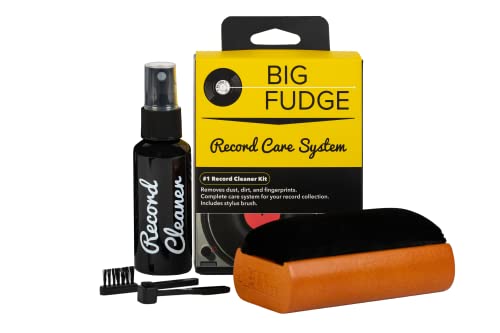
If you love records and record players, you must get a record-cleaning kit like this one. It is designed to ensure that your records stay in excellent condition to last you for decades.
Get this cleaning set and keep your vinyl records in perfect condition!
Record Players
The functionality of record players is measured by the vibrations. The proper functionality of the record vinyl groove makes the stylus move or vibrate. This is then transformed into a minor electrical signal which is amplified and transformed into sound by the speakers.
If you want your turntable to work well, it needs to read the vibrations in the groove, rather than having them messed up by vibrations originating from somewhere else.
This is a difference between good and extraordinary turntables. The difference is their capacity to manage the external vibration. However, no record player will produce the best sound quality if they are in the wrong spot.
Reasons why a record player needs to be grounded
There are several reasons why a record player needs to be grounded. In this article, we have compiled some of the possible reasons why you want to ground your record player. Some of those reasons are:
1. To avoid the annoying hum and sound distortion
Of course everyone wants to have the best sound quality possible. Any kind of distortion in your record player’s sound quality can be annoying no matter whether it lasts for a long time or not.
To make sure that your player doesn’t have a humming sound it needs to be properly grounded. This will help it to run smoothly and fix the sound clarity of your record player.
If your record player has a constant humming sound when a record is playing then there is most likely an issue with the ground wire being pinched or damaged.
2. To get the best performance from your system
To get the best sound from your record player you need to ground it. There are many things that will happen if you don’t ground your player. Without the proper grounding these loud noises will seriously distract from the music that you are playing.
The last thing you want is for your record player setup to be damaged so making sure the record player is grounded properly is the best way to ensure that this doesn’t happen.
3. To avoid loud noises that can damage your ears
Normally when a record player isn’t grounded properly it will only have some humming or sound distortions (as mentioned earlier), popping noises as well. These noises will not just be annoying but might also hurt your ears.
When a record player is set up properly there should be no noise coming out of the speakers besides the music and an occasional crackle from the record itself. If you are hearing constant noises, humming, or loud pops then there is probably an issue with the way that your record is grounded.
Basically if you are hearing noises coming from your record player that shouldn’t be there the first thing to check is whether it is properly grounded or not. Once you are sure that it is grounded and there are no issues with the ground wire, then you can move on to some other troubleshooting steps.
Some useful tips to enhance the sound of your record player
Assuming that you have checked the ground wire and your record player is properly grounded then there are a few other things that you could check on to make sure that they aren’t causing issues with your sound.
See the list below to get useful tips to enhance the sound of your record player.
- Check the wiring of your record player and make sure nothing is worn
- Keep the turntable away from the speakers as the vibrations from the speakers can cause the player to jump
- Make sure that the record player is properly leveled before you begin playing records.
- Keep your records clean and dust free to reduce the crackle and other noise
- Don’t buy a cheap quality record player
- Upgrade your cartridge, needle, and speakers if they are old or worn out.
There are of course other steps that you can take if your sound quality isn’t where you think it should be. Most of the time, the first thing you should check for issues with sound quality is whether your record or needle is dirty.
This is the most common thing that causes the sound quality of your music to go down. Since your records have grooves in them the dust will tend to settle in them which will in turn get picked up by the needle/stylus.
Cleaning your records and stylus on a regular basis will help to keep your sound sounding as good as possible.
If you think your needle or record might need cleaned you can check out the videos below for some additional tips.
Conclusion
Record players need to be grounded to ensure that they work properly and that their sound doesn’t get distorted by humming, crackling, or even loud pops. If you have a player that is making that sort of noise the first thing to do is make sure that the ground wire is still connected and that it isn’t damaged in some way.
Of course, the ground wire isn’t the only issue that can cause the sound quality to degrade when you play the record. Your cartridge, needle or speakers, could need replaced as all three of those items can wear out over time.
If only one record has a lot of sound distortion then it is a good bet that the record just needs to be cleaned. That process is quite simple and is something that can be done by anyone who has some time and is careful to not damage the records while cleaning them.
Honestly, most things on your record player can be fixed by you just by reading some information on the internet or watching some Youtube videos. There is a lot of information here on our site about records and record players to help you learn about them and how to care for and fix them as well.