
*This post may contain affiliate links. As an Amazon Associate we earn from qualifying purchases.
Are you suffering from records jumping or skipping? Do you want to know the reason and also want to know how to prevent and fix your records with this issue? Then please keep reading, I am sure you will find all of your answers.
Why do vinyl records jump?
A common reason your record may jump is because of dust in the grooves. Records can also jump because of deep scratches that cause the needle to leave the groove and jump to another spot. These issues might occur on any record no matter their age as all records gather dirt even if they are sitting on a store shelf.
Some other possible things that may cause your record to jump are if you clean your record by hard or towel or use a non approved cleaner it may cause your records to jump.
Do you love playing your vinyl records but your record player has seen better days? Well, you are in luck! There are tons of great record players that not only have great sound quality but also won’t break the bank. You can find them by clicking here.
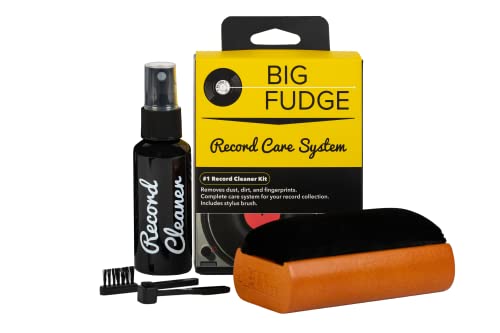
If you love records and record players, you must get a record-cleaning kit like this one. It is designed to ensure that your records stay in excellent condition to last you for decades.
Get this cleaning set and keep your vinyl records in perfect condition!
Reasons and preventing jumping on vinyl records
Vinyl records are by far the most durable form of media we have ever had but records can only provide great sound when they are kept in good condition. Records can suffer from all sorts of damage and deterioration and much of it can cause unwanted jumping or skipping.
Most of the time when you encounter a record that is jumping it is a fixable issue. Rarely is the record in such bad condition that there is no way to fix it.
Before trying to fix the issue of jumping you just find out the reason why it is jumping in the first place. There are a few different reasons why records can jump.
The first reason that records jump is when there is too much dust, dirt and scratches on your record.
Dust, dirt, and scratches are the enemy of records. To keep your records from accumulating dust and dirt you should make sure to always clean your records regularly.
When cleaning your records there are a couple of things that you should keep in mind. They are:
- Keep your fingers off the record’s playing surface. Never touch your records playing surface with your hands because your hand has body oil and this oil attracts more dust and dirt. You also could end up scratching the record with your nails or watch/bracelet as well.
- Never use a towel or non-approved record cleaner to clean your records. No matter how clean and soft your towel is it still could scratch your records or leave debris behind after you wipe it.
It is important to always use a microfiber brush to clean up your record. A microfiber brush is very useful because it can easily enter the grooves of the record and can clean all of the dust out of them. Additionally, this type of fiber easily removes static electricity which is responsible for attracting dust as well.
Non approved cleaner is also harmful, so be sure that any cleaning products that you use on your records will not harm them.
The second reason that records might jump is because they are warped.
Records are made with soft materials and they can be warped just by being exposed to direct sunlight. The ideal temperature to store your records safely is between 65°F (18°C) and 70°F (21°C).
The temperature where you store your records is important but avoiding storinging them in front of a window or glass door is more important. Even if your room stays that ideal temperature the sun shining directly on your records could still cause them to become warped.
Warped records are a pain to fix but the issue can often be remedied. Check out the video below for some tips on how to fix any warped records that you might have.
The third possible reason is that the record player is not level
It may be possible if you live in an older house or apartment that the floors in your home aren’t entirely level. An easy way to check that your record player is sitting level is to buy a small two foot level at your local home improvement store and set it on top of your record player.
If it isn’t level then try moving your player to a different spot in the room or house and see if that fixes the jumping. If a player is not level it is much easier for the needle to come out of the grooves which will in turn cause the music to jump.
The fourth possible reason could be because of vibrations
This problem occurs rarely but if you like to let loose and crank the bass, it’s possible that the reverberations from your floor speakers could cause your needle to jump from one groove to another.
I have also seen this happen by someone slamming a door, stomping or jumping on the floor, and even having the record player set up against a wall where the washing machine is running.
Vibrations or bouncing can cause the needle to easily jump from one groove to the next. Before you get too deep into troubleshooting your record player jumping it is a good idea to make sure that this isn’t the reason.
Of course if this is what is causing the jumping then the simple solution is to move the player away from what is causing the vibrations so that it stops jumping.
The fifth reason that records might jump is because of damaged grooves
As I said earlier records are made with soft material and they can be damaged very easily. One of the major reasons for record damage is stacking. You should never stack your records on top of each other because they are heavy.
If you stack your records then they can create pressure and this may cause your records to warp, or even become scratched, scuffed or broken. Always store your records vertically so that they never have any external weight sitting on them.
Another way that the grooves can get damaged is by leaving them out. Simply putting your records away after each use is a good way to ensure that they stay in as good of condition as possible.
It is important to always take good care of your records. If you take good care of your records they may last longer than you can even imagine. There are records around today that are 50+ years old and still play like they are new. That is because people were careful and took good care of them.
If you find yourself with a scratched record don’t give up! There are many ways to fix a record and have it play like new again. Check out the video below for a complete guide on how to repair a scratched record.
Conclusion
Records shouldn’t even jump if they are kept clean and scratch free however keeping your records in perfect condition for decades can be quite difficult.
If you find yourself with a record jumping no matter the cause you should be able to fix it. We have tons of articles available on this site all about taking care of your records and making sure that they stay in good condition.
If you are wanting to keep your records around for the generations to come then taking the time to read some of them is an important step to making sure that you know all about records and how they should be cared for.
Related questions
Can a bad needle cause a record to jump?
Yes, it may happen. Most manufacturers recommend changing your stylus at around 1000 hours of record playing time. So if you listen to music for an hour per day then you must change your needle every couple of years. If you don’t change your needle then one day it may be the cause of your record jumping.
What happens if you play a record at the wrong speed?
If you play a record at the wrong speed then it may provide faster or slower sound. Playing a record at the wrong speed won’t damage the record but it can hurt your ears especially at the higher pitches!
Why does my vinyl sound weird?
There are hundreds of reasons that your vinyl might sound weird. A few of the common reasons are:
- Cheap or poor quality turntable
- Damaged records
- Cartridge quality is poor
- Damaged stylus
- Mechanical fault or turntable is not at the right speed.