How Much Do Pinball Machines Cost?
Pinball machines can cost a few hundred dollars or nearly $10,000, depending on era, title, condition, and hidden costs like shipping and setup. Here’s how to budget for a real-world purchase.
Virtual pinball is the easier, cheaper, lower-maintenance option, while real pinball wins on feel, sound, and authenticity. Here’s how they compare in practice.
Most pinball machines are worth what a nearby buyer will actually pay, with condition, working status, and title desirability doing most of the heavy lifting. This guide shows you how to estimate a fair value without overpricing or leaving money on the table.
Pinball machines usually are not rigged. If a table feels unfair, the usual causes are player skill, machine setup, wear, or a genuine fault like a bad tilt switch.
If pinball keeps kicking your ball down the drain in under three minutes, the problem is usually ball control, not just nerves. Here’s how to slow the game down, practice the right skills, and handle tables that play unfairly fast.
The best place to buy a pinball machine depends on whether you want a new game, a used project, or a local pickup deal. Here’s how the main buying options compare, what each one is good for, and what to check before you pay.
Pinball is often treated like a sport in the broad sense because it has leagues, tournaments, rules, and a real skill ceiling. Whether you personally call it a sport depends on how strict your definition is. Here’s how competitive pinball works, what beginners should know, and why the debate keeps coming up.
The safest way to move a pinball machine upstairs or downstairs is to reduce the weight first, secure the head or backbox, protect the cabinet, and use a dolly or stair-climbing hand truck with helpers. Here’s how to plan the move, choose the right tool, and avoid the common mistakes that damage machines or stairways.
A virtual pinball machine is a PC-driven cabinet that recreates pinball with digital tables, displays, and optional feedback hardware. It can be a great way to enjoy pinball at home, but it still plays differently from a real machine and the setup details matter.
A pinball machine is worth it if you want a fun home hobby and are ready for the real costs of ownership. The big trade-off is that the cheapest machine is often not the cheapest one to keep.
Pinball machines work by turning a closed switch into a chain reaction of relays, coils, scoring logic, and timing. The details change by era, but the basic loop is the same: a switch closes, the machine reacts, a coil fires, and the game advances. Here’s how EM, solid-state, and modern pinball differ, plus the failure points collectors and players run into most often.
Finding a good pinball machine on a tight budget usually means choosing between a tabletop toy, a project machine, or an older used cabinet. Here’s what you can realistically expect under $200, $500, and $1,000—and what to check before you buy.
Traditional coin-drop arcades mostly faded, but pinball and retro gaming are still alive in barcades, family entertainment centers, and home setups. Here’s what actually changed, why pinball survives, and what to look for in a working venue.
The best questions to ask before buying a pinball machine are the ones that reveal hidden repair costs: does it boot, are there error messages, is the battery area clean, what parts are missing, and how will it be moved?
Pinball machines can hold value better than many hobbies, but that does not mean every machine is a smart investment. The biggest factors are title, condition, originality, and how much you paid in the first place.
Pinball machines are usually not hard to maintain if you stay on top of cleaning and small wear items. The real difficulty shows up on older or neglected games, where battery corrosion, connector issues, and mechanical repairs can get expensive fast.
Most pinball machine resets come from a power delivery problem: weak wall voltage, bad connectors, tired caps, or a failing regulator path. Start with the outlet, then test the power-supply voltages, then inspect connectors and headers before replacing boards.
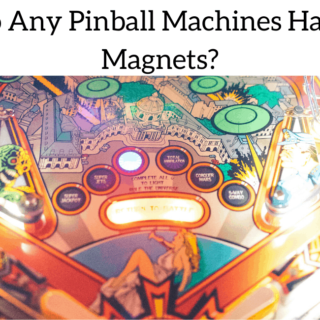
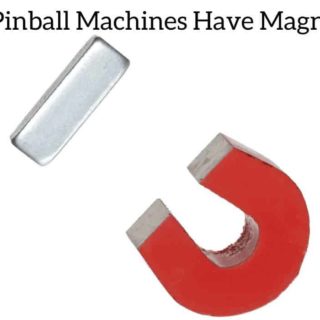
Yes, many pinball machines do use magnets — but usually for intentional game effects, not to make the ball drain faster. The real trick is separating a designed magnet feature from a magnetized ball or a failed coil. Here are 12 well-known models that use magnets, plus the quickest way to tell what’s actually happening when a game feels off.
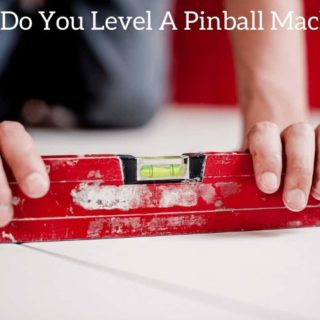
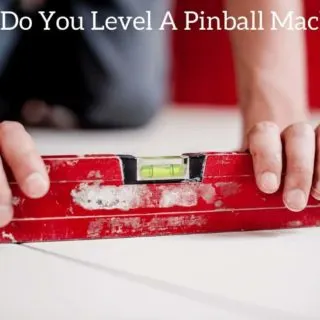
Level a pinball machine by making the playfield side-to-side level, then setting the front-to-back pitch to a sensible starting point for that game. Here’s the safe order, the right tools, and what to do when the levelers are rusty, the floor slopes, or the machine still plays badly after adjustment.
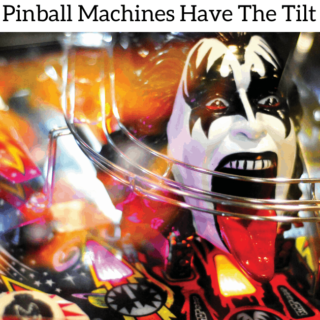
Pinball tilt is there for two reasons: it lets players nudge the machine as part of normal play, and it protects the cabinet and mechanisms from being abused. Here’s how tilt works, why different machines behave differently, and what to do if a game seems too sensitive or gets stuck in tilt.
A pinball build can mean anything from a simple tabletop toy to a full-size custom machine. This guide explains the real build paths, what to buy first, how to set the playfield correctly, and where most first-time builders run into trouble.
A pinball machine that resets during play is usually suffering from a weak 5V power path, low line voltage, or connector trouble—not a mystery CPU failure. Here’s how to tell a true reboot from a self-test or EM reset problem, what to check first, and when to stop and call a technician.
Yes, but not in the same way you beat a video game. Most pinball is about chasing score, while only some tables have a wizard mode or true ending. Here’s how to tell the difference and how to play smarter on any machine.
Yes, pinball machines are still being made, but today’s market is smaller, more specialized, and more uneven than the classic arcade era. Here’s who is making them, what “still being made” really means, and what to check before you buy.
There isn’t one universal best pinball machine, but there is a best type of machine for your budget, skill level, and repair tolerance. Here’s how to choose the right one and which classic titles keep coming up for the right reasons.
Pinball tournaments usually follow one of three formats: 3-strike knockout, group match play, or qualify-then-finals. Here’s how each one works and what first-timers should expect.
Pinball scoring is machine-specific, but the basic logic is simple: learn the lit shots, bonus rules, and multiplier system on the table in front of you. This guide breaks down how pinball scores actually work, how the rules changed by era, and what to check when a machine seems to be scoring strangely.
A good pinball maintenance routine is mostly about safe cleaning, simple inspections, and knowing when to stop before you damage a finish or part. This guide walks through the tools, cleaning steps, era-specific care, wax basics, and the most common things to check while the playfield is open.
A good entry-level pinball machine is usually one you can play in person, inspect while powered on, and afford to maintain—not just a famous title. This guide breaks down the best beginner-friendly eras, the games people most often recommend, and the red flags that can turn a cheap buy into an expensive project.
The best place to sell a pinball machine depends on whether you want the highest price, the fastest sale, or the easiest local pickup. This guide breaks down the best venues, what to include in your listing, how to price the machine realistically, and how to avoid common scams and handoff problems.
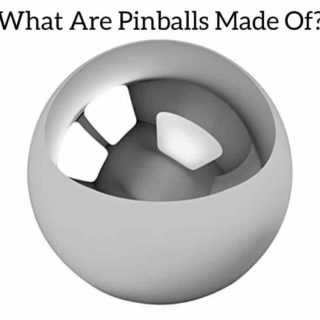
Most pinballs are usually 1-1/16 inch carbon-steel balls, but a few games use special ceramic or glow balls. Here’s how to tell what you need, when the material matters, and when to replace a worn ball.
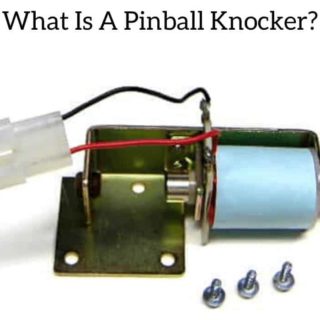
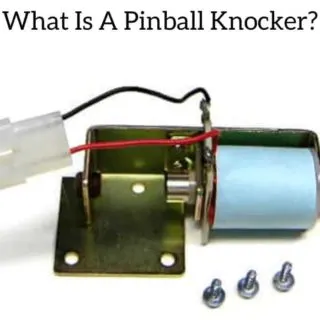
A pinball knocker is the cabinet-mounted mechanism that makes the loud “thunk” when a game awards a replay, extra ball, or match. On older machines it is usually a real solenoid assembly; on some newer games it may be simulated through the speakers. This guide explains how it works, what breaks, and how to troubleshoot or replace it.
Pinball machines can hold value, but they are usually better treated as hobby assets than reliable investments. The best results usually come from buying carefully, avoiding overpaying, and keeping the machine clean and working.
Yes, some pinball machines have magnets—but only certain titles use them, and they’re usually there for a deliberate gameplay effect, not to secretly ruin your ball.
Virtual pinball machines can be a smart buy if you want variety, lower maintenance, and a cleaner home setup. They are not the same as a real pinball table, though, so the details of latency, feedback, and software setup matter a lot.
The safest place to store a pinball machine is indoors in a climate-controlled space with stable temperature and humidity. Learn how to prep it, what to avoid, and what to check before powering it back on.
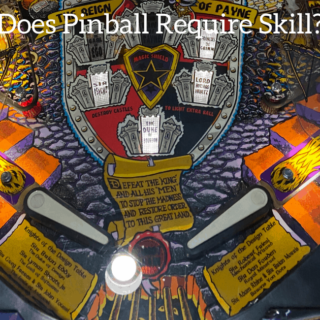
Pinball does require skill, but how much skill you need depends on how you play. Casual play can be simple, while competitive pinball takes timing, control, and a deep understanding of each machine.
A shopped pinball machine is usually a used machine that has been cleaned, repaired, and tuned up so it plays and looks much better than an untouched used game. The exact meaning can vary, so it helps to know what work was done before you buy.
Yes, a pinball machine can fit in a minivan in many cases, but the exact fit depends on the machine, the van’s cargo space, and whether you remove the legs or backbox first. Here’s what to measure and how to move it safely.
That loud pop in a pinball machine usually comes from the knocker, a mechanism that fires when you win a free game or earn a replay. Learn what causes it, why it was designed that way, and how to quiet it down if needed.