Rummikub Rules Made Easy: A Quick Rummikub Reference Guide
A clear, practical Rummikub rules guide that explains setup, sets and runs, opening meld rules, jokers, scoring, and the house-rule differences that cause the most confusion.
Rummy and Rummikub share some core ideas, but they are not the same game. Rummy is a family of card games, while Rummikub is a separate tile game with its own rules, table play, and player limits.
Standard Rummikub is usually a 2-4 player game, but larger tables are possible with expanded editions or two combined sets. Here’s what works best for 5, 6, and 8 players, plus the common pitfalls that make bigger games feel awkward.
A joker is wild in Rummikub, but the exact replacement rules depend on the edition or house rules you’re using. Here’s when you can play one, how to reclaim it, and the mistakes that cause arguments at the table.
Winning at Rummikub is a mix of luck, planning, and knowing when to hold tiles or play them. This guide breaks down the opening meld, joker use, board rearranging, and the mistakes that usually cost games.
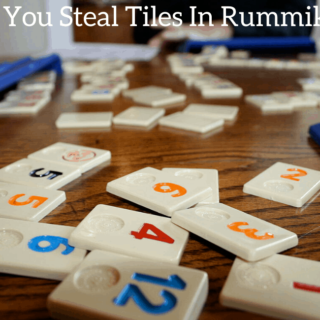
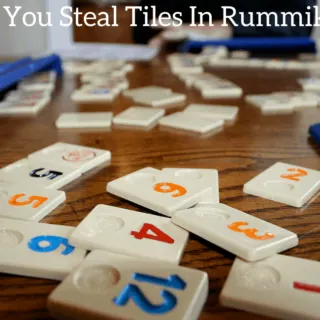
In standard Rummikub, you cannot steal tiles from another player’s rack or pull tiles off the table into your own rack. The part that confuses most players is that you can often rearrange tiles already on the table on later turns, as long as you leave a legal board when you finish.
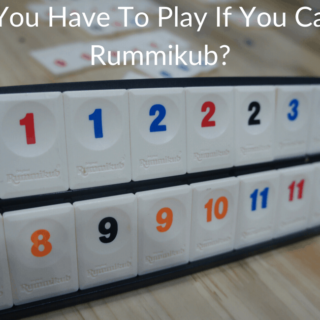
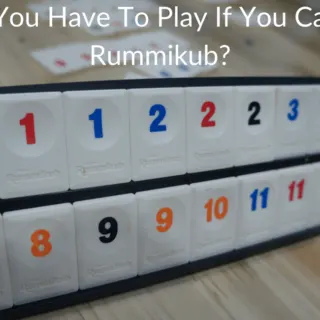
In standard Rummikub, you do not have to lay down every possible tile on your turn, but you usually cannot just pass without consequence. If you don’t make a legal play, you draw a tile—and your first meld has a big exception: it must total at least 30 points from tiles on your rack only.
Rummikub usually does not have a fixed number of rounds. In standard play, one round ends when a player goes out, and longer sessions are just a house-rule choice.
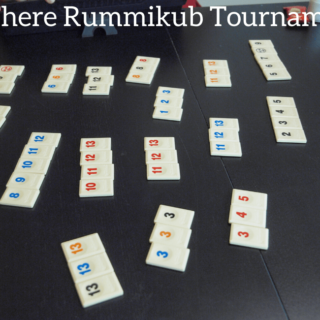
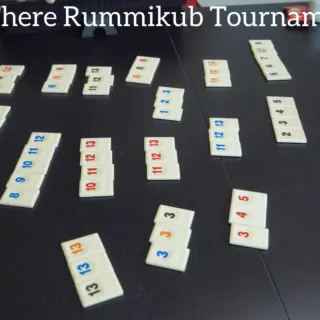
Yes, Rummikub tournaments do exist, but they are niche and often run through country-level qualifiers or special events rather than a big public circuit. Here’s how the championship path usually works, what rules often change, and how to track one down near you.
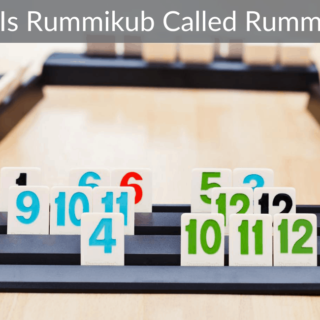
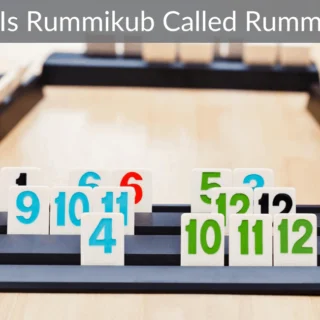
Rummikub likely gets its name from its rummy roots and cube-like tile format. Here’s what the name means, how people pronounce it, and how to avoid confusing it with lookalike tile games.
If you can’t make a legal move in Rummikub, you draw one tile and your turn ends. The biggest exception is your opening meld: you must still reach 30 points from tiles in your rack before you can start laying off the table.
The wild or joker in Rummikub usually counts as the tile it represents while it is on the table, but it is typically a 30-point penalty if you end the round holding it.
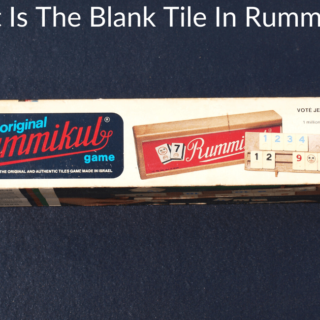
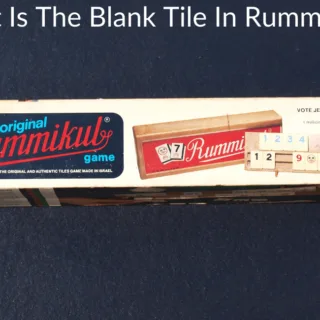
In most standard Rummikub sets, a blank tile is not a normal gameplay tile. If your box includes one, it is usually a spare or an edition-specific extra, and you should check the manual before using it in play.
Most modern Rummikub tiles are plastic or acrylic, but older collector sets can be bakelite or other heavier resin-like material. The best way to tell is to look at the era, box construction, and hardware—not just the tile face.
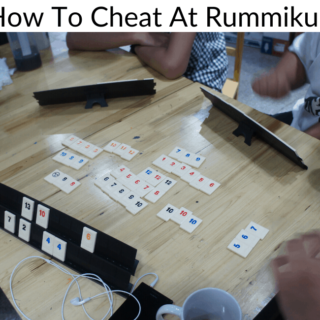
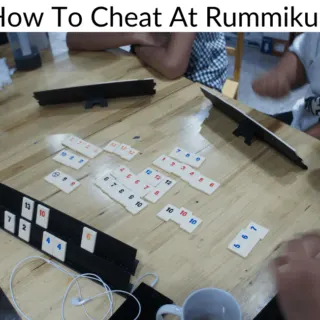
Most Rummikub “cheats” are really house-rule disputes, joker confusion, or sloppy table setup. Here’s what actually counts as cheating, the rules people argue about most, and the legal ways to win more often.
Rummikub is not all luck, but luck does matter a lot at the start. The opening draw, jokers, and the first meld can swing a round, while tile reading, timing, and board manipulation are where skill shows up.
Yes—you can combine Rummikub sets for bigger groups, but it works best as a house-rule setup with the player count and joker rules agreed on first.
Yes, you can start with a joker in Rummikub as long as your opening meld totals at least 30 points from tiles on your rack. The tricky part is that later joker replacement rules can vary by edition and house rule.
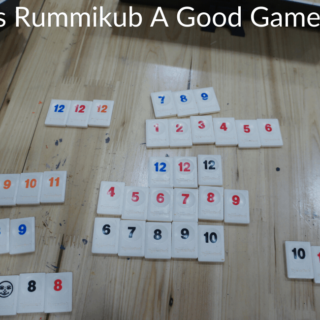
Rummikub is a good game for families and casual players who enjoy clever rearranging, light strategy, and a bit of luck. It is less ideal for groups that hate slow turns or swingy openings.
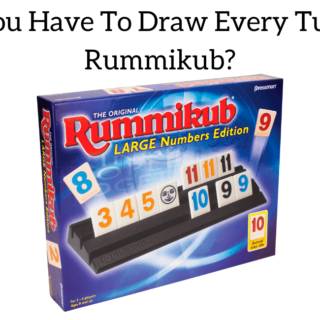
No, you do not draw every turn in standard Rummikub. You draw only when you cannot make a legal play, and drawing usually ends your turn. The tricky part is house rules and failed rearrangements, which can change how a table handles the turn.