Are Jukeboxes a Good Investment?
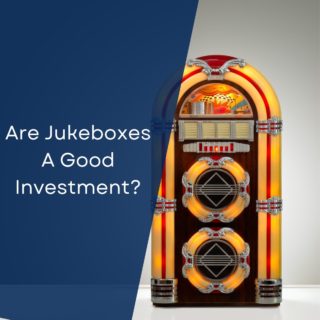
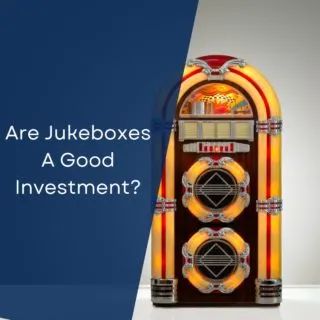
Most jukeboxes are better treated as nostalgia buys, display pieces, or restoration projects than passive investments. Here’s what really affects value, repair costs, and resale.
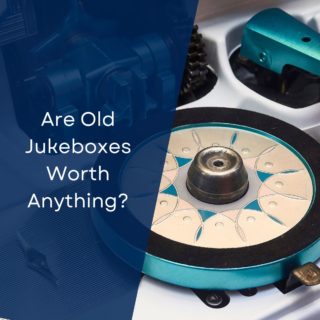
Yes, old jukeboxes are often worth something, but the value swing is huge. A rough parts machine may bring a few hundred dollars, while a desirable working or restored classic can sell for several thousand.
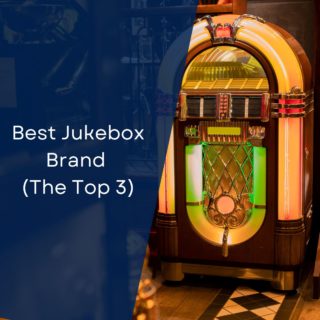
There isn’t one universal best jukebox brand, but Rowe/AMI, Rock-Ola, and Wurlitzer each win for different reasons. Here’s how to choose the right one based on condition, parts, format, and repairability.
Jukeboxes range from budget tabletop units to expensive restored classics, and the real cost is often higher than the sticker price once you add shipping, repairs, and restoration. Here’s what drives the price and when a jukebox is actually worth the money.
Most jukebox records are common 45s worth very little, but rare pressings, clean condition, and some 78 rpm shellac discs can be worth real money. Here’s how to tell the difference.
The best home jukebox depends on what you want it to do: look the part, play real 45s, fit a small room, or give you a true vintage collector experience. This guide breaks down the four main types, what each one is actually good for, and the hidden compatibility and maintenance issues buyers often miss.
There is no single “worst” jukebox song, but there are plenty of tracks that become unbearable in the wrong room. Here’s a practical look at the songs people most often regret playing, why they annoy crowds, and when a bartender can still skip or mute them.
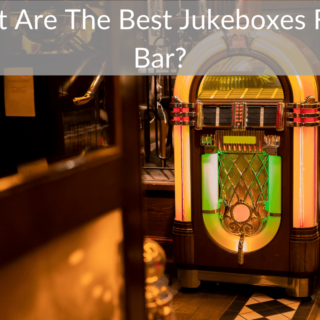
The best jukebox for a bar is usually a vendor-managed digital system, but the right choice depends on your crowd, your need for control, and how much maintenance you want to own.
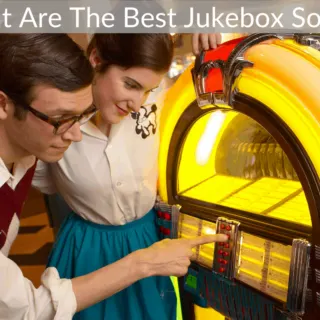
There is no single perfect jukebox song, but there are songs that fit the room far better than others. This guide breaks down the tracks that usually work, the ones that backfire, and how to choose without wasting credits.
Yes, but not always in the same way. A commercial jukebox can trigger music licensing, yet the operator may handle royalties for some managed systems. The biggest exception is when the venue also uses live music, karaoke, DJs, or other music sources that need separate coverage.
Yes, jukeboxes still exist. The catch is that today’s jukeboxes fall into three different groups: classic coin-op machines, restored vintage units, and modern app-controlled systems used in bars and restaurants. Here’s what that means in practice, plus what to know if you want to buy, restore, or use one today.
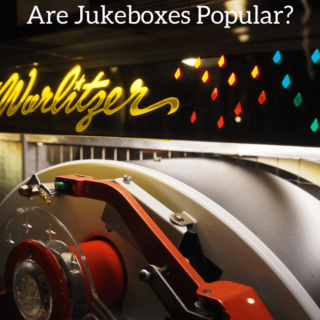
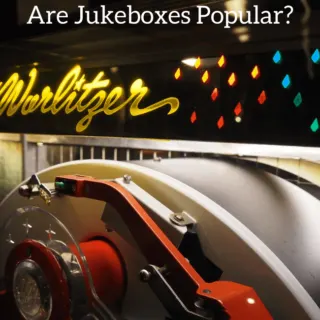
Jukeboxes were at their peak in the 1950s and early 1960s, especially in diners, bars, and lounges. Today they’re mostly a niche collector and nostalgia item, but they still have a place in themed spaces and restored game rooms.