
5 Best Budget Pool Cues Under $150
A practical guide to the best budget pool cues under $150, including what matters most, where the common trade-offs are, and how to choose the right cue for your game.
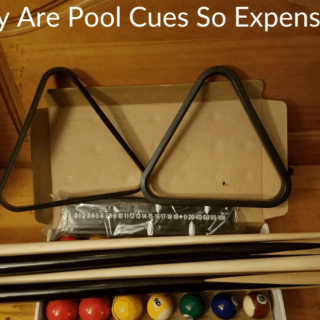
Pool cues get expensive because you are paying for better materials, tighter construction, custom work, and sometimes low-deflection performance—not just a fancy-looking stick. Here’s what really drives the price, when the upgrade matters, and how to avoid overpaying.
Pool cues can usually travel by air, but the practical answer is to plan on checking them rather than trying to carry them on. Here’s how travelers typically pack a cue, what can go wrong, and when shipping is the safer option.
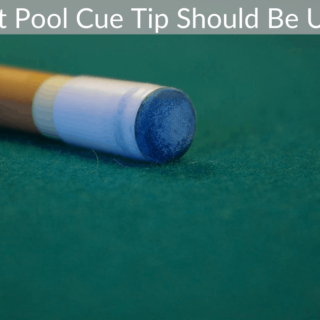
For most players, the safest default is a medium leather cue tip. Break cues usually call for a harder tip, while soft tips trade durability for feel and upkeep.
Pool chalk is usually not a poisoning concern in normal cue-tip use, but swallowing it, breathing lots of dust, or using unknown chalk brands changes the picture. Here’s what to watch for and what to do next.
Pool chalk is usually not highly toxic to dogs in small accidental amounts, but it can still cause vomiting, diarrhea, or irritation depending on the product and how much was eaten. The safest next step is to watch for symptoms, check the package label, and call a vet if your dog ate a lot or seems unwell.
Most new players should start with a 19 oz cue, but the right choice depends on your stroke, cue balance, and whether you’re buying a playing cue or a break cue.
Pool chalk is usually blue for visibility and tradition, not because blue works better than other colors. The real job of chalk is to add friction at the cue tip and help prevent miscues.
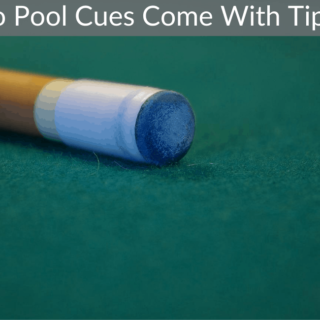
Most new standard pool cues do come with a tip already installed, but the type of tip matters. Cheap screw-on tips are a common exception, and break cues often use much harder tips than a normal playing cue.
Pool cue tips can dry out over time, but in most cases players are really dealing with glazed, compressed, or hardened leather. Learn how to tell the difference, when scuffing helps, and when replacement is the right move.
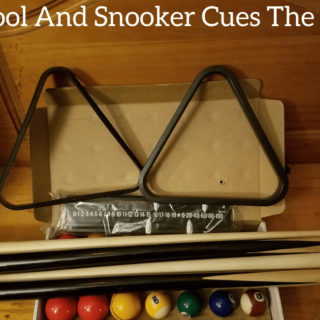
Pool and snooker cues are not exactly the same, but the difference is smaller than many beginners expect. The biggest practical split is tip size: snooker and English pool cues are usually much smaller than American pool cues. Here’s how to tell which cue you actually need.
Pool cue shafts are not universally interchangeable. The shaft has to match the cue’s joint family, and even then collar fit and tolerances can still affect how it feels.
A pool cue can sometimes be straightened, but only small warps are realistically fixable. Learn how to check whether it is truly bent, what repairs can work, and when replacement is the better call.