
*This post may contain affiliate links. As an Amazon Associate we earn from qualifying purchases.
Music hasn’t always been available to stream for free. Although we often take free music for granted it is a relatively recent change in the industry.
In the 1960s the main source of music was records. Not only did you have to purchase these records but even if you just liked one of the songs you would have to buy an entire album! (hard to believe huh?)
So how much did it cost to buy these records in the 1960s? Records could normally be purchased for $2-$4 depending on if you purchased the record in mono or stereo. In today’s dollars that means a new record would cost around $17-$35 per record!
Of course that is significantly more expensive than what we pay for our music today! I am on a family plan with Apple music with my family and I pay $2 a month for as much music as I want. Paying $17-$35 per album is hard for me to even imagine!
The prices varied based on the company that released the record as well as whether it was in mono or stereo format. But what does that even mean?
Do you love playing your vinyl records but your record player has seen better days? Well, you are in luck! There are tons of great record players that not only have great sound quality but also won’t break the bank. You can find them by clicking here.
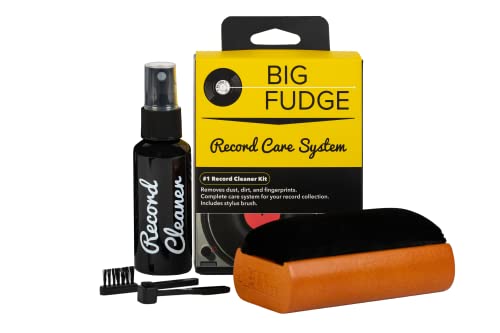
If you love records and record players, you must get a record-cleaning kit like this one. It is designed to ensure that your records stay in excellent condition to last you for decades.
Get this cleaning set and keep your vinyl records in perfect condition!
What is the mono format?
As the name suggests, mono is a type of recording that studio techs would use. It was only recorded on one channel, whereas stereo was recorded on two to enrich the sound. This is why there was a significant price difference between the two. It was all about the sound quality.
So which one is better? What are the differences?
As I already mentioned, mono is one channel and stereo, is two but that is not the only difference between them. How the sound is interpreted by a mono record, is that your speakers will be playing the same sound and it doesn’t matter if it is left or right.
Whereas with the stereo system your left and right speakers would be playing different sounds according to the progression of the song that is being played. For most of the 1960s though mono was used as the commercial form of recording the newer stereo format began to get popular towards the end of the decade and was more common in the 70s.
In my opinion, both had their merits but like all things in life there must be an evolution and the invention of stereo was what enabled us to truly explore sound and to have much better quality music.
Many artists of the ’60s later re-recorded their original LP’s in stereo and then re-released them thus netting themselves and the studios a tidy little profit.
If you want to learn more about mono and stereo formats then check out the video below.
Who came up with the idea to change?
This may surprise you but it was around for quite some time before the studios decided to make the switch. It was invented by a British man by the name of Alan Blumlein. He patented the idea in 1931 along with stereo film and surround sound. He worked for EMI at the time.
Who popularized the sound of stereo that caused the change?
Blue Note Label was the first to explore the depths and differences between these formats. Noted sound engineer Rudy Van Gelder came to realize there was a great benefit in the stereo format. At the time he worked with jazz artists. Jazz bands and musicians all have various instruments and progressions in one song. With the use of stereo, the more detailed sounds became more audible and the music on the records was much better than the mono format.
Who benefits now?
If you enjoy your music with the added layers and subtle notes coming from different directions then you do. We often take the quality of our music for granted but it wasn’t always as good sounding as it is today!
Who wins the debate?
Audiophiles are still debating this one 60 years later… It all depends on your style and what you are hoping to get out of your music experience. I believe that some records are quite simply just better in mono and some are better in stereo. Music can be remastered, remixed, and reformatted that is why it remains timeless.
Artists from every genre pull influence from the artist before them. Even still today an artist from the ’60s can inspire someone to follow that path. Music and sound are universal. Can you imagine a world with no music? I wouldn’t want to.
Most popular records in mono
If you are curious as to what the differences are between these sounds you can still get mono records today. Bob Dylan has his original recordings in mono up for purchase on Amazon.
Also, the album Californication from the rock rebels Red Hot Chilli Peppers is mostly recorded in mono.
My best advice to you is to buy both versions and give them a listen. You can then decide for yourself if the switch was necessary and which you like better.
I still listen to the classics and sometimes it is better having them played in mono like the London legends The Beatles. I still love their music and draw inspiration from them.
Go on Amazon and check out the list of mono records available for purchase. It is quite an extensive list with classic artists and maybe even some new inspiration for you.
Conclusion
Whether you are a parent, a grandparent, or student music has touched your life in some way. For me it is every day. It is a rarity that there is silence in my home. Music is universal and there is a sound for every mood and activity that you undertake.
Records, CD’s, Mp3’s, and even streaming apps may have changed the music industry landscape but what it evokes in us hasn’t.
Whether you decide that you prefer mono over stereo or vice versa music and the artists who create it are eternal. Having a record collection is one way to immortalize this bygone era.
I hope to one day own all the classics on vinyl. They are a lot more expensive now as some types of vinyl go for thousands of dollars. Back then it wasn’t as popular or as easy to be recorded, and or discovered. It was all about timing and luck.
Now we can just master, and mix on our laptops, and upload it to the cloud and just get people to follow us and if we gain enough attention someone will contact us to discuss our future in the music industry. We have it so easy right now, what a time to be alive. Where there are no limits to what you can accomplish.
The ’60s paved the way and just took the game to the next level. I suppose you can see some similarities, in their era and ours, but one thing that has greatly changed is how cheap we have access to music now vs how much people in previous generations had to pay.