
*This post may contain affiliate links. As an Amazon Associate we earn from qualifying purchases.
In recent years vinyl records have been making a comeback. With the craze and obsession over vinyl records, you may have asked yourself why. Why are vinyl records making a comeback? Why are people choosing to listen to round pieces of plastic rather than just streaming the music on their phone or computer?
What is it that makes vinyl records unique?
There are a few different things that make vinyl records different than the other physical media of years gone by. Those things that are unique to records are:
- The sound quality
- The experience
- Memorabilia
- Investment
- Community
- Style
We will discuss each of those reasons more in depth in the rest of this article.
Do you love playing your vinyl records but your record player has seen better days? Well, you are in luck! There are tons of great record players that not only have great sound quality but also won’t break the bank. You can find them by clicking here.
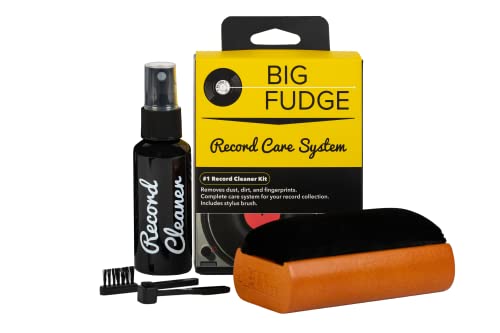
If you love records and record players, you must get a record-cleaning kit like this one. It is designed to ensure that your records stay in excellent condition to last you for decades.
Get this cleaning set and keep your vinyl records in perfect condition!
Why Vinyl?
Vinyl records have been around for a very long time, even though there are new and improved ways of delivering music vinyl somehow is still around. Some people still have vinyl collections, and now there is even technology available to turn digital music into records.
In recent years they have even started putting new albums onto records again! Some people have flocked to records because they simply love that form of media. Other people simply don’t get it. Why would you pay more to have something in your house that you have to store and it only has a limited number of songs on it? Why not just stream the music with Spotify, Apple Music, or another service?
The reasons why people love records are honestly as unique as humans are themselves.
I have heard people give reasons such as:
- This is how I’ve always done it.
- It sounds better
- It brings back memories
- You can’t beat the old music
- The bands were better then
- I’m showing my kids/grandkids how it used to be
- I already have all the albums so why pay for a streaming service
And of course many many other reasons too. The reasons why are almost as varied as the peoole who choose to listen to records. There are people who are in the “golden years” of life who love to listen to the same records they have had for decades.
There are middle aged people who listen to records that were passed down to them from their parents and grandparents and use the records to remember those times spent with them.
There are millennials and younger who simply like records because the nostalgia that comes with them is really cool.
All these groups and many more have combined to increase the sales of records 14 consecutive years and it is showing no signs of slowing down! Records have outpaced CDs in terms of sales in recent years and as CDs have continued to decline in popularity records have gone up!
In the next few years it is certainly possible that they only form of physical media that we will have available will be records once again!
What makes vinyl records so special?
Vinyl records are considered special by many people across the world for a variety of reasons.
The digital age has brought us many wonders. Some of them are computers, smartphones, and an ever-growing internet community. The developments of the digital age are usually an improvement on the systems before. This was believed to be the case with music, as MP3 music has no physical weight. It was portable, could be transferred with ease and didn’t require any special care for preservation.
Despite all of these reasons, many people still choose to buy records over CDs, MP3, or just streaming the music. What makes these vinyl records so unique that people would go out of their way to own them when seemingly better options are available?
1. Sound quality
In the music world, sound quality is everything. Streaming music gives you access to great sound quality on every track, but the quality of vinyl records is on another level.
When you have only known one thing all your life, it’s hard to agree when someone says something else. With streaming music being the most common choice now, those who have never listened to a vinyl record will have a hard time believing that its sound quality is better.
There’s no harm in trying, right? A simple trial is all that is needed for you to become a part of the vinyl record fever. You don’t even need to buy a vinyl record or a record player. A trip to a record store or a vintage store will expose you to sound quality like you have never heard before with digital music.
2. The experience is immersive
Normally when we listen to a song via our phone or computer, we may enjoy the song, but the experience is forgettable. Vinyl records, on the other hand, offer a more complete experience.
The tracks are said to sound more relatable, as you feel more connected to the artist. Digital music gives you the option to play music in the background while doing other things. With this option, we sometimes take the songs for granted.
Vinyl records need your attention as the needle may need to be picked up or moved if it begins to skip or gets stuck, or the record may need to be turned over. This means you need to pay attention to the music for the entire time that it is on.
Paying more attention to the music that is playing will ensure that you enjoy it more.
3. Provides physical memorabilia
One way of showing affection or sentiments is to give gifts. These items will serve as a constant reminder to the person they are presented to of how much you love or care for them. These gifts can induce feelings of joy and excitement and are always welcome.
Streaming music cannot really serve as a gift as it can be transferred with ease, with no feelings attached.
A vinyl record, on the other hand, can serve as a great gift especially to someone who loves vinyl or is a collector. It can also serve as a reminder of a person who has passed away. This happens when they leave you their favorite album or record to their loved ones.
Everytime that you listen to a record that was passed down to you from a loved one that has passed away it serves as a way to remember them and the life they lived. This is something that just isn’t possible with streaming music.
4. It can serve as investment
As we have already established, vinyl just won’t go away. They may not be the first choice for music for many people, but they are a viable option. Album collections are expensive to acquire especially when they are limited edition. The money that you spend to buy records now might be worth more money in the future. This will allow you to turn a profit if you choose to sell off your collection.
Some people have even made a part time income buying vinyl records at thrift stores and yard sales and reselling them on the internet. Although that takes time and effort it can be a way to help pay for your record collecting hobby.
The only downside to this is that you will need to maintain the records in perfect condition to preserve their value.
5. The community of vinyl lovers
There are a lot of vinyl record lovers in the world today of various ages. When you need a new record and go to the record store, you are likely to meet quite a few interesting people! The people you meet will often have tastes similar to yours and can influence you in many new ways.
This also helps to improve social interaction in a generation where interacting with other people face to face is quickly dying.
Vinyl lovers don’t have an identifying mark as they come in all ages, shapes, and sizes, but they are usually fun to interact with especially when you are interested in the same types of music as someone else is.
6. It is stylish
In many of the classic movies of years gone by we see people playing records. One popular example of this is in the movie It’s A Wonderful Life.
In the movie, Mary is trying to woo George Bailey through the use of a record player that is playing their favorite song. This is certainly not the only movie where records and record players are presented in a stylish and classy light.
Vinyl records can be ornamental and provide a vintage look to your home. A record player also makes your home seem more classy and stylish than it might without the player.
Records and record players also work great as a conversation started. If you are having guests over that you don’t know very well, being able to talk about your record collection and the different artists and bands is a great way to get to know someone new.
Conclusion
There are a variety of different things that make records unique and the reasons certainly aren’t just the six that were given above. Everyone who loves listening to records will probably give you a different reason why they like listening to them.
If you really want to know why records are unique and special to so many people head to your local record shop and ask the people who work there as well as the customers. You will get many different reasons why they love their records!
If you want to learn more about the return of vinyl records in recent years the video below explains it quite well.