
*This post may contain affiliate links. As an Amazon Associate we earn from qualifying purchases.
If you are just getting into collecting records or are just interested in learning more about them then you are in the right place. How you store your records is vitally important as storing them the wrong way will have a lasting impact on their condition.
Should vinyl records be stored vertically or horizontally?
Records should ALWAYS be stored vertically. If you were to store records horizontally the weight that the records at the bottom are holding would warp them severely if not crack them entirely. The only time records should be horizontal is when you are playing them!
As more and more people start to get into record collecting again questions like these become more and more important. How you store your records isn’t a matter of preference. They MUST be stored vertically just like books on a shelf to ensure that no records have so much pressure on them that they get damaged while in storage.
In the rest of this article we will go into more detail about why your records should be stored vertically as well as some other important storage tips. If you prefer to watch a video instead of reading then you can do that below.
Do you love playing your vinyl records but your record player has seen better days? Well, you are in luck! There are tons of great record players that not only have great sound quality but also won’t break the bank. You can find them by clicking here.
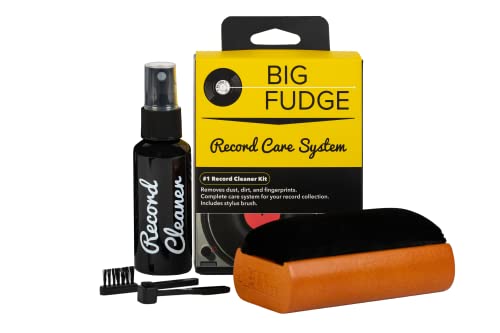
If you love records and record players, you must get a record-cleaning kit like this one. It is designed to ensure that your records stay in excellent condition to last you for decades.
Get this cleaning set and keep your vinyl records in perfect condition!
Vertical or horizontal record storage
Many people don’t pay attention to this and only realize their error after their records are damaged. Since vinyl records are flat and can rest either vertically or horizontally, some people just place them in any way they fit, this of course is not how you should do it!
The way to store vinyl records is vertical. Storing your records vertically gives you the chance to prevent them from crushing each other over time. When you go to a record store or see an online display of records for sale, they are always arranged vertically.
With vertical storage, the records can be separated to allow for proper air flow as well which will keep them from getting too hot or attracting moisture.
Why you shouldn’t store vinyl records horizontally
When you store records horizontally, there are many dangers associated with it. You will likely damage the records as mentioned above. We see in movies and even some photographs that records can be stored horizontally, but this is not the case.
Anytime that records are stacked the wrong way you are risking them being damaged! Just because you saw something in a movie once doesn’t mean it was the right way to do it.
If you have been storing your records stacked on top of each other, you need to stop immediately to prevent further damage to your vinyl records. Some of the common problems associated with storing records horizontally include:
It leads to warping
Stacking is one of the worst things you can do to your records. Stacking them will lead to many unwanted outcomes for your records. One of the most common outcomes is it causes them to warp. This means that your record will become disfigured, and it will no longer be flat.
Once this occurs, you will no longer be able to play that particular vinyl record, as it will become almost bowl shaped. The vinyl will possibly be ruined and you won’t be able to use it for any other purpose until you flatten it back out.
Sometimes the flattening process works and other times it doesn’t. If you are unable to flatten your record again then the record will be basically useless, and you will have to discard it, which is a shame, especially if it is a record you loved.
In cases where warping has not yet occurred, the weight of stacking records on each other can cause the record to begin to skip as well. If you have ever played a vinyl record and noticed that certain parts of the track are missing, it might be because the record was in a horizontal position for a long time.
If you find yourself with a warped record because you didn’t know how to properly store it, don’t throw it away just yet. There are a few different things you can try to flatten it out. The most used method that many people swear by is the oven method.
Using this method you simply put the record between two pieces of glass and put it in the oven to help flatten it.
You can see it in use and how it works in the video below.
Causes weight to be placed on the vinyl
Once you begin stacking records on each other, it creates extra pressure on all the records but this is especially true for the records that are on the bottom of the stack.
Vinyl records are not made to accommodate holding any weight and once the extra weight is placed on them, it creates several problems. The vinyl records will begin to get scratched whenever the weight on top of them shifts.
Once the scratches get to a certain point, the record may become unplayable. Sleeves protect vinyl records from scratches, but they can’t serve this function when the records are stacked on top of each other.
Often the sleeves will be what is causing the scratching as the weight on top of the records combined with the cardboard will cause the scratches to start to form.
When the weight becomes too great, then the records will also begin to break. This will ruin the musical potential of the vinyl record, and end the chance of using the vinyl for other alternative purposes as well.
Since the records can’t get air because of the weight on top, they are also more susceptible to moisture issues that may grow into mold. This is rare but can happen if you store your records improperly.
It prevents the records from being well-aerated and generates heat
You should store vinyl records in a fashion in which they will be well aerated and when stored horizontally, this won’t happen. Proper aeration helps keep a vinyl record in good condition as they are susceptible to destruction from heat and dampness. In a well-aerated area, this will not happen.
The horizontal arrangement of vinyl records can cause heat to not be able to escape. This condition will also give rise to a damp environment and moisture may begin to accumulate on the vinyl record.
This gives rise to mold as well as disfigures the records and the records will end up being unplayable if these conditions persist for a long time. After some time, their condition will deteriorate until they are completely ruined.
Why you should store your vinyl records vertically
The dangers of storing records horizontally don’t exist when you store your records vertically. There will be no danger of warping as the records can be stored individually, which is the best way to store a vinyl record.
When you store records individually, you avoid weight being placed on them, as you can prevent them from leaning on each other. They even make special record racks that are designed to leave space between each record so no weight is put on them.
When you avoid this, you can have the proper air flow required for the safe storage of your vinyl records. There will be no heat generated, and sleeves are effective in preventing scratches to the vinyl records. It will also be easy to notice if any of your records are starting to attract moisture and if they are you can clean them off before the issue gets out of control.
When stored properly, the only danger of breaking the vinyl record will be when you are moving it around or if the record is knocked over or if it isn’t handled properly when you go to play it.
With vertical storage, vinyl records can be in their original condition for many years or decades, and they will maintain their value through the years as well.
There are a variety of different ways to store your records vertically. Many people choose to use containers that are specifically designed to fit records vertically.
These can easily be found at your local record store or online as well.
Conclusion
Knowing the proper method of storing your records is an important first step to making your collection last a lifetime. Proper stacking of your records is just the beginning however. There are many other things that you should learn about cleaning and proper care of your records to help them stay in good condition.
The video below gives 7 great tips to help your records stay in tip top condition so you can continue to enjoy them for a long time to come.