
*This post may contain affiliate links. As an Amazon Associate we earn from qualifying purchases.
Are you tired of breaking the bank every time you want to add a new game to your collection? Well, you’re not alone. We’ve all been there. You see a shiny new Switch game on the eShop or at your local game store, and before you know it, you’ve spent way more money than you intended.
But have you ever stopped to wonder just how much you can expect to pay for Nintendo Switch games on average?
Most first-party Nintendo Switch games will cost between $40 and $60. That means titles like Nintendo’s Super Mario, Mario Party, Donkey Kong, Kirby, Mario Kart, etc. will all sell for somewhere in that price range no matter how old they are.
Third-party Switch games prices can range anywhere from $10 to $60 depending on how old they are. New releases for the Switch will cost around $60 when they are released but after being out for a few weeks or months the prices will drop considerably.
3rd party Switch games can drop to the point where they are only a few dollars after they have been out for a couple of years!
As you can see one of the biggest factors that affect Switch game prices is who makes them since Nintendo doesn’t ever drop the prices of their 1st party games prices very low. But you should keep reading to find out all the factors that go into the price of a Switch game.
I will also cover how you can save some dough while still satisfying your gaming cravings in the future.
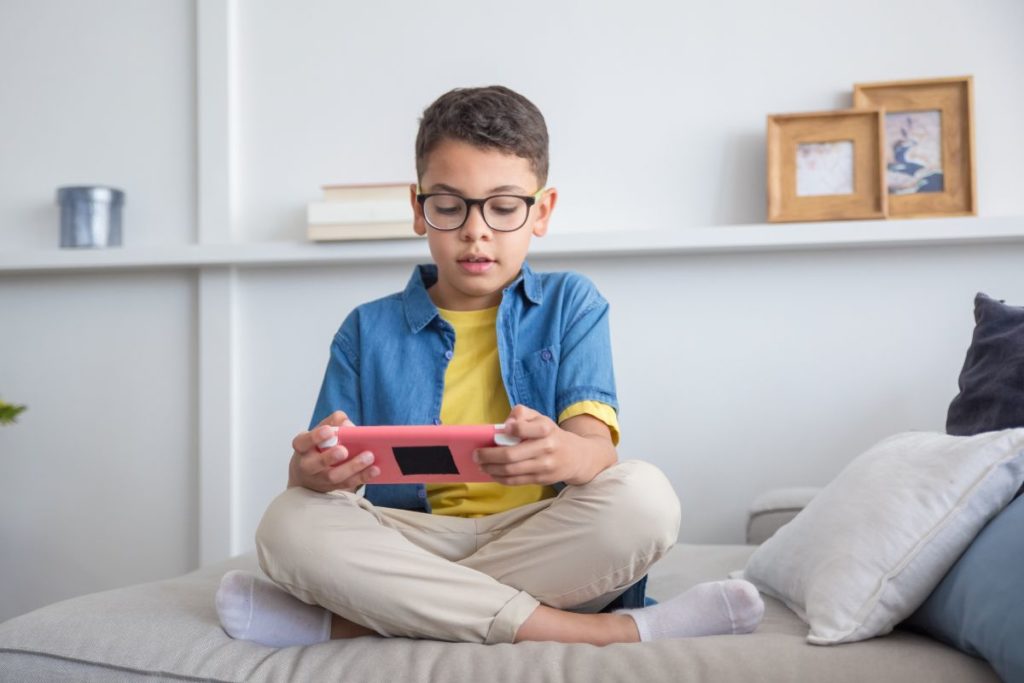

Factors that Affect the Price of A Game
There are a few different factors that can affect the average price of a game from Nintendo. Of course, it won’t be all of them as there are too many to ever write, but I will cover some of these factors in this section.
First and foremost is the content of the Switch game itself. A game with more complex graphics, longer playtime, and more features is likely to cost more than a simpler, shorter Switch game. This makes sense, right?
After all, more content usually means more development time and resources, so the game developers need to recoup their higher costs through sales.
Another factor to consider is the popularity of the Switch game. If a game is highly anticipated and in high demand, it may have a higher price tag. This is especially true for a game from Nintendo that is part of a popular franchise or series.
On the flip side, Nintendo video games that don’t have as much buzz or appeal may be discounted in order to increase sales.
Finally, the publisher of the Switch game can also affect its price. Some game publishers (like Nintendo) are known for releasing more expensive titles, while others may have a reputation for offering more budget-friendly options.
Are Physical or Digital Copies of Video Games More Expensive?
This is a question that has plagued gamers for ages. Is it better to buy a physical copy of a game or just download it digitally? Well, the answer isn’t always straightforward.
In some cases, digital copies of video games may be cheaper than their physical counterparts. This is because digital downloads don’t have the added cost of manufacturing and distributing physical copies. However, this isn’t always the case.
Some digital Nintendo video games may be priced the same as or even higher than physical copies, especially if they are brand-new releases or part of a popular series.
On the other hand, a game’s physical copy may have some perks that digital downloads don’t. For example, you can often find physical copies of Nintendo video games on sale at retailers, and they can be resold or traded in for credit towards other games.
Digital games, on the other hand, are tied to your Nintendo account and can’t be resold or traded.
So, which is the better deal? It really depends on the game and the situation. As with most things in life, it pays to do your research and shop around before making a purchase.
Does the Release Date Affect the Cost of a Switch Game?
It’s no secret that new Nintendo releases tend to be more expensive than older games. This is especially true for games that are part of a popular franchise or series.
When a new game in a series is released, Nintendo fans are often willing to pay a premium to get their hands on it as soon as possible.
However, the price of a game can also drop over time as it becomes less of a new release and more of a “classic.” As with most things, the value of a game tends to depreciate over time.
This means that if you’re willing to wait a bit before playing a new release, you may be able to snag it at a discounted price down the line. Of course, this isn’t always the case, and some games may retain their value or even increase in price due to their popularity or rarity.
The Average Price of Nintendo Switch Games:
So, now that we’ve discussed some of the factors that can affect the cost of a Nintendo game, let’s talk about the average cost.
According to our analysis, the average cost of a Nintendo game is $50. This number is based on the prices of a variety of games, both digital and physical, and takes into account factors such as content, popularity, and release date.
Of course, this is just an average, and there are plenty of games from Nintendo that fall above and below this price point. Some budget-friendly options can be found for as low as $10 (although they likely won’t be made by Nintendo), while more expensive games can cost upwards of $60 or even more.
What is the Range of Prices for Switch Games?
As I mentioned earlier, the price of Nintendo games can vary quite a bit. The most inexpensive games on the market can be found for as low as $10, while the most expensive can cost upwards of $60 or more (if you include DLC).
Of course, there are plenty of games that fall somewhere in the middle of this range. Many games can be found for around $40 to $60, which is still a decent chunk of change but not quite as steep as the high-end prices that you pay when Nintendo releases them.
Are There Any Trends in the Prices of Switch Games?
When it comes to the prices of games for the Nintendo console, there are a few trends to note. As I mentioned earlier, new Nintendo releases tend to be more expensive than older games. This is because they are in higher demand and often have more features and content than older games.
Another trend to note is that physical copies of games tend to be slightly more expensive than digital copies. This is because of the added cost of manufacturing and distributing physical copies.
Finally, it’s worth noting that certain types of games tend to be priced differently. For example, games in a popular franchise or series may have a higher price tag due to their popularity. On the other hand, budget-friendly options like indie games or games that are part of a bundle may be more affordable.
You should also remember that games from Nintendo rarely drop in price below $40 (unless it is a special sale). So if you have your eye on a game that is from Nintendo and it is on sale for below $40 then you should definitely snatch it up.
How to Save Money on Nintendo Switch Games
So, we’ve established that the Nintendo games can be a bit of a budget buster. But fear not! There are plenty of ways to save money on Switch games if you know where to look.
One of the best ways to save money on Switch games is to keep an eye out for sales and discounts. Both the Nintendo eShop and physical retailers like Best Buy and GameStop often offer sales on games, especially around holidays or other special occasions.
It’s also worth signing up for newsletters and following your favorite retailers on social media, as they will often announce sales and discounts to their followers.
Another tip is to consider purchasing digital copies of games instead of physical copies. The Nintendo eShop often has sales on digital games, so it’s worth checking there for discounted titles. Although they will rarely discount the big-name titles you can pick up older third-party titles for $5-$20 pretty regularly during these sales.
Finally, don’t be afraid to wait for a sale or discounted price on a game you’re interested in. It can be tempting to buy a game as soon as it’s released, but if you’re willing to hold off for a bit, you may be able to snag it at a discounted price later on.
Should You Consider Buying Pre-Owned Nintendo Switch Games?
Another option to save money on Nintendo games is to consider purchasing pre-owned games. Pre-owned games are games that have been previously owned and played by someone else, and they can often be found at a discounted price.
One advantage of buying pre-owned games is that they can be significantly cheaper than brand-new games. This can be especially appealing if you’re looking to build up your game collection on a budget.
However, there are a few things to keep in mind when considering buying pre-owned games. First, be aware that the condition of pre-owned games can vary. Some may be in like-new condition, while others may show signs of wear and tear.
This can affect the price of the game, with more well-worn games typically being cheaper.
Another thing to consider is that pre-owned games may not come with all the original packaging and materials. This can be a non-issue for some players, but if you’re a collector or want the complete experience, it’s something to keep in mind.
Finally, it’s worth noting that some pre-owned games may not include any online content or downloadable content that was included with the original game. This can be a deal breaker for some players, so it’s worth checking before making a purchase.
Are Subscription Services a Good Deal for Nintendo Game Players?
In recent years, subscription-based gaming services have become increasingly popular. These services allow players to access a library of games for a monthly fee, similar to a Netflix or Spotify subscription.
So, are these types of services a good deal for Switch players? It really depends on your gaming habits and preferences.
One advantage of subscription services is that they can provide access to a large library of games for a relatively low cost. This can be a great option for players who enjoy trying out a variety of different games and don’t want to spend a lot of money on individual titles.
However, it’s worth noting that the selection of games on these types of services can be limited and may not include the most recent releases. Additionally, once you cancel your subscription, you lose access to the games in the library.
This can be a drawback for players who want to own the games they play.
The Nintendo Switch Online subscription gives you access to classic Nintendo games from the NES, SNES, N64, and Sega Genesis (depending on which subscription you purchase). However, the subscription doesn’t give you access to more modern games like subscriptions from Xbox or Playstation do so that is a major downside.
Are there any free Nintendo games available?
Yes, there are a few free Nintendo games available. Some examples include “Fortnite,” “Apex Legends,” and “Fall Guys”.
These games are free to download and play but may offer in-game purchases or microtransactions.
Can I buy and play Nintendo games from other countries?
Yes, you can buy and play Nintendo games from other countries. However, it’s important to keep in mind that the prices of games can vary by region and may be more expensive in some countries than others.
Additionally, some games may not be available in all regions due to regional licensing restrictions. It’s always a good idea to check the price and availability of a game in your region before making a purchase.
Final Thoughts
In summary, the average cost of a Nintendo game can vary based on a number of factors, including the content of the Switch game, its popularity, the publisher, and its release date. Physical copies of games may be slightly more expensive than digital copies, but they also have the added benefit of being able to be resold or traded in.
If you’re looking to save money on Switch games, there are plenty of options available. Keep an eye out for sales and discounts, consider purchasing digital copies or pre-owned games, and weigh the pros and cons of subscription services.
With some research and smart shopping strategies, it is possible to find good deals on Nintendo Switch games.