
*This post may contain affiliate links. As an Amazon Associate we earn from qualifying purchases.
Have you ever been playing pool, and noticed that the slate was unlevel, or was missing a chip from it? Maybe your entire table is falling apart and the slate is beginning to break. Well, in this article we will go over everything you need to know about if slate can be repaired.
So can Pool table slate be repaired?
Although some people think that if slate is cracked or breaking the entire table needs to be replaced this is not true. Slate can actually be repaired and patched similar to how concrete can be patched and repaired.
If you want to know more about how to patch and repair slate on your pool table, you will want to keep reading. You can also check out this video that will show you step by step of how to repair the slate on your pool table as well as what to use.
If you are looking to get better at playing pool one of the best ways to do that is by upgrading your pool cue. One of my favorite cues is the Viking Valhalla. It is available in a variety of colors and won’t break the bank. You can find it by clicking here.
Is pool table slate able to be repaired?
Pool table slate can be repaired, and should be maintained regularly. If not maintained then there is a chance that they will wrap and any game on them will become impossible to play.
Slate warps due to water retention or because they have not been taken care of. They must be maintained regularly, and never abused. If you do not want to end up with warped slate, then you will want to do regular maintenance on your table.
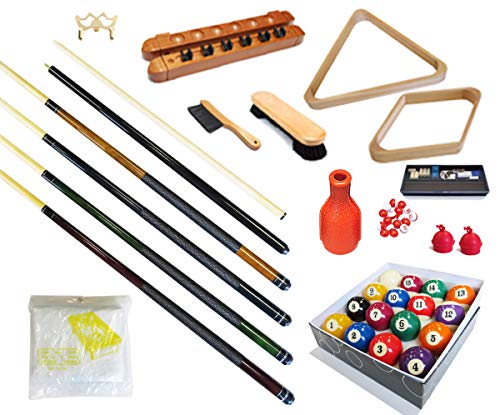
If you have a pool table then you need to get this accessory kit. It includes pool cues, extra pool balls, and all the gear you need to keep your pool table in tip-top shape.
If you are tired of your kids (or friends) ruining your good pool cue when they play then having these extra ones will keep that from happening (just be sure to hide your good one!).
What can damage pool table slate?
One of the biggest ways that slate on a pool table gets damaged is by people dropping cue balls onto the slate. Most people think that the felt will protect the table, but that is not true. Cue balls are quite heavy and can create dents in the slate that may or may not be able to be repaired.
Exposing the slate to moisture in a manner where it can retain and absorb moisture is another way that can damage the slate. Putting or spilling a drink on top of a slate slab or putting it in a warm room where there is a chance of moisture absorption is another way that people tables can get damaged.
Although slate is nearly waterproof, it is not completely. This is why when it gets wet it tends to warp or break off in chunks. Sometimes, it will even just come off in layers off the table as water retention makes the slate bloat. When the slate warps, it sags.
This means the middle of the slate slab collapses with the slate in the corners and the borders remain level. Sometimes even the opposite will happen where the center remains stationary and the rest of the slate on the pool table entirely disintegrates and collapses.
How to repair pool table slate
If you have a pool table, chances are that you will need to repair it at some point. It will need to be repaired in either a big way or a small way. Before you go and call the professionals or entirely change the slate, there are a few things that you can do or try on your own if the damage is not too large.
If it is a simple crack or dip in the slate, then there are the following things that can be done to fix the whole problem without getting professionals involved.
- Natural beeswax can be used to fill up small cracks, chips or seams in the slate.
All you need to do is to just melt the wax onto the table top slate dips or cracks using a torch or something similar that will produce heat. You will simply let the wax drip into the dip of the crack and fill it.
Next you will let the wax cool down and then scrap the excess wax off with a knife or something similar like a paint scraper.
Lastly you will roll a ball over it while putting no undue pressure on it and you will be able to fix your table. When you are done, it should be just like before without the dents and the cracks. The best wax that you can buy is billiards wax.
- Special slate repair glue is also available for use on bigger cracks and broken slates with a clean cut.
This slate repair glue is available online and in stores and won’t cost you a fortune. You will be able to use slate repair glue for many different problems. Simply apply the glue to the broken or cracked edges and let it dry.
Push the broken pieces towards the others so that the glue can fit in the slate well and keep the slate level. Should any glue come out of the pieces together then get a piece of sandpaper and sand down the excess glue so as to make sure that the top of the table is still level.
- Slates that have broken off completely into pieces and disintegrated into layers as well have no solutions of repairing.
If this happens, your entire slate piece will have to be replaced. Sadly this is very expensive and sometimes can cost more than a whole new table.
Thankfully this problem only happens with very old slates and older forms of pool tables. These older tables had the slate screwed right into the wood of the table rather than having a layer in between them. Fortunately this does not happen with many tables today and a new pool table should last you your entire lifetime and beyond.
What is pool?
Conclusion
Now that you know how to fix your pool table slate, you can simply fix the problems rather than calling a professional to come and do it. Professionals will do the same thing you can do by yourself but will charge you quite a bit of money.
Today the three pieces of slate on a pool table are the most used so if one piece of slate breaks, you can replace it without having to replace the entire slate from the table. Now that your table is fixed, you can enjoy playing on a level table for many many years to come.