
*This post may contain affiliate links. As an Amazon Associate we earn from qualifying purchases.
So you have a killer collection of vintage records but you have to move? Obviously you want to make sure that your collection makes it across the city or across the country without getting damaged, but how do you do that? What is the best way to make sure that they stay safe during that process?
That is what this article is all about! How to make sure your move doesn’t ruin your entire collection! In this article, we explore the various methods of how you can make sure that your records arrive in as good of condition that they were when you left.
Do you love playing your vinyl records but your record player has seen better days? Well, you are in luck! There are tons of great record players that not only have great sound quality but also won’t break the bank. You can find them by clicking here.
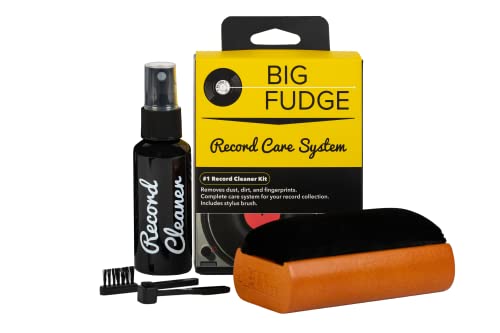
If you love records and record players, you must get a record-cleaning kit like this one. It is designed to ensure that your records stay in excellent condition to last you for decades.
Get this cleaning set and keep your vinyl records in perfect condition!
Stacking leads to cracking
If you want to keep your amazing record collection safe,never stack them. Vinyl records are extremely delicate and even just stacking them on top of each other can lead to irreparable damage such as warping or even, heaven forbid, cracking your album rendering it completely useless.
You will always want to have your records standing vertically when you pack them into a box. Having them vertical will mean that they won’t be carrying the weight of any other records and so they won’t get warped or cracked by that pressure.
You also don’t want to stack any boxes on top of the ones that have your record collection in them. Only put your record boxes at the very top of the pile or have them single stacked in your truck or vehicle.
Organize
Create a catalog style system to get your albums ready for transport. This step might be a little bit overkill but it can be incredibly helpful when you go to unpack them.
If you normally don’t have any rhyme or reason to how your records are on the shelf now is the perfect time to fix that. You can have your records organized by title, artist, genre, or however other way you like.
Since you are going to be moving the records off the shelves and into boxes you can quickly and easily organize them so when you get to your new location you simply have to pull them out of the box and put them right up on the shelves.
Taking a little bit of extra time now can make unpacking them a lot easier than it would have been. Also having an organized collection is a great way to find the album you want to listen to quickly!
Get your records ready to rock and roll
The best way to prepare your records to travel is by getting the poly sleeves for them. You will want to do this for every one of your albums. These sleeves will protect them in the move as well as after the move too. You can reuse these sleeves and they work so much better than the paper ones.
There is no transference of dust particles when you use them so your records will stay cleaner much longer. These are a great investment as they protect your records long after the move has been finished.
You can normally find these sleeves for quite cheap if you buy them in packs of 50 por more. A pack of 100 can be found on Amazon here.
Get the right size box.
Having the right-sized box makes all the difference. You don’t want your records to be shifting around in transit because the box you used was way too big! . This sounds like no brainer but so many people don’t consider this vital step when moving.
Find a medium-sized box that you can pack the records in while standing them up vertically. Again, do not stack them as this causes the records to get damaged. We suggest taking a record with you when you go moving box shopping so that way you know you get the right size.
Make sure that the lid will fit on top and that the records aren’t going to be sticking out of the box at all. Ideally you want the box to be a few inches wides and taller than your records are.
It’s a wrap
Apart from the poly sleeve, we also suggest that you wrap each record in bubble wrap. Remove the record from its jacket and then carefully wrap the record in a thin layer of bubble wrap. Then place the record in the poly sleeve.
If it can fit back in the paper sleeve then feel free to do that as an added precaution. That way 3 layers are protecting your beloved records. If the records won’t fit back in the sleeves then stand the sleeves up next to the record that it goes with. You certainly don’t want to have to try and match all of your records with the sleeves that were in a totally separate box!
Repeat these steps for every record. Make sure not to skip one. This step may seem redundant but we guarantee this is a necessary step to make 100% sure that your collection is ready for travel.
Are you packing nuts?
We know our demographic so our readers want the best possible answers and a variety of methods that ensure their records are as safe as possible!
We suggest in the box that your records will be transported in to have them insulated with packing peanuts. This will ensure that your records reach their final destination in one piece.
We know that using the packing nuts will minimize the space inside the box and that they can be a mess to clean up but the extra mess and using a couple extra boxes is well worth the extra protection that you will get.
Pack them as tight as you can in the box and then pack the peanuts along the sides and on top of the records. Then seal the box tightly, you can use all these methods or mix and match. It is completely up to you.
Bonus idea
If you are still not convinced that your records are safe. We have the remedy. This step is for the panic-stricken movers that have no qualms going the extra mile. This one we consider overkill but if it works for you it is worth sharing.
So for the final step once you have packed and sealed the box wrap the entire box in clear cling film at least twice so that it is well insulated and will not incur any damage during transit. This way if the box does go in the truck it cannot get damaged by the furniture or the other items in the truck.
Avoid heat
If you are moving to a location that is hot or you are moving in the middle of summer than heat is your record’s enemy!
Even if it is only 80 degrees and sunny the inside of the moving truck or moving container can easily be much warmer than that. The heat can easily cause your records to warp even if you have done all of the extra packing mentioned above!
To avoid this either make them the last thing on the truck and the first thing off (if moving a short distance) or only put your record boxes inside a vehicle with AC.
PLEASE don’t take this step for granted.
The last time I moved I had furniture in a shipping container (POD) for a few days as we moved from one part of the country to another. When we unpacked the POD at our new house a bunch of the furniture that we had was worthless as the glue veneer had peeled off the furniture because of the heat!
Don’t let something like that happen to your record collection!
Final thoughts
Moving is stressful no matter which way you slice it. Having less to worry about by making sure your favorite albums are secured and ready to make the long haul will simply make your move a little bit easier.
So whether you decide to use all of the ideas above or just your favorites we hope that this comprehensive list has all your needs covered. Moving out of state or even just from one house to another in the same area can take a toll on you emotionally, mentally and physically. The best way to combat this is to be prepared.
Be sure and keep the temperature steady wherever your records are at as the added heat can damage your records.
Never stack them and be sure that they are wrapped and ready to go.
Make sure to pack these boxes close to the door in the U-haul (if you are moving locally) to ensure that they are the first few that are moved into your new location.
If you have the gumption start to unpack them and then locate your record player system. While you unpack your new life you can have your favorite music playing to help relieve a bit of the extra stress that moving always causes.
Knowing how to pack your records is more relevant now than it was in the 1950s because of the rate at which people move! There might not be as many records around now as there was then, but there are far more of us moving with record collections than ever before!
If after reading all of that you still want to learn more about moving with records, you can check out the video below.