
*This post may contain affiliate links. As an Amazon Associate we earn from qualifying purchases.
If you are reading this, then you are probably like many others who want to know why Sega is not making consoles anymore. What happened to all the games they made that were so popular?
If they are still making Sonic the Hedgehog items, why don’t they have a new Sega Console? Well, if you keep reading we will answer all of your questions and more!
So, why does Sega not make consoles anymore?
Although there are many reasons that Sega no longer makes consoles, the main reason is that they stopped making consoles when the Dreamcast cost them millions of dollars in losses. They simply were not up to the task of competing with Playstation, Xbox, and Nintendo.
If you want to know the other reasons Sega failed as a company that led to them not making consoles, go ahead and keep reading cause you will be surprised with what you learn!
Are you a huge Sega fan? Then you have to check out the amazing Sonic and Sega gear that you can get. Whether you want a Sonic wallet, a Sega sweatshirt, or a classic hat there are plenty of choices to choose from. You can find them all by clicking here.
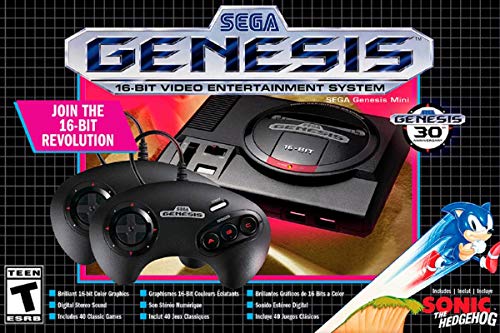
If you love Sega then you will want to check out this Sega Genesis Mini console. It comes with two controllers and even comes preloaded with 42 Games!
Enjoy these classic Sega Genesis games without having to purchase a single game cartridge!
The History of Sega
Sega is a Japanese Video game development company that has been a part of this industry for a long time. They have developed games, consoles, portable consoles, and many other things related to gaming.
They have developed a lot of video gaming consoles that were popular way back when they first released, but the fame did not last. They did not meet the expected sales quantity of Sega Dreamcast consoles, which became the main reason for the shutdown of the famous Sega consoles.
Sega Dreamcast Console Failure
The primary reason for the shutdown of console development is the failure of the Sega Dreamcast console, as well as basically all their other consoles. The Sega Dreamcast console was released in 1999 around the holiday season.
The company expected it to be a massive success after the accomplishment of the previous Sega Saturn console. Even though there was nothing wrong with this console, there was a lot of competition in the market that Sega did not account for,
With the release of Sony’s classic PlayStation console, the demand for the Sega consoles came to a screeching halt. Because Sega’s sales of the Dreamcast did not meet the expected sales revenue, Sega had a big void in the income that they expected.
Sega could have worked to develop another console after the Dreamcast, but since there were giant competitors in the market, Sega chose to get out of the game. They are still a part of the gaming industry, but they do not make consoles anymore.
The arrival of the PlayStation in the market
When Sony released the PlayStation console, it changed the gaming world with its amazing graphics and the features it offered. All of these amazing features are what greatly affected the Dreamcast.
Although playing the Dreamcast had so many games available for it, they were not quite to the level of the PlayStation. This is the main reason that Sega no longer makes consoles.
The fall of Sega
Sega became popular in the 90s for a short time when their consoles overtook Nintendo in sales. The problem was that their popularity decreased with time because other consoles that were more advanced with better graphics were released.
When the Dreamcast was first completed, there were still no other gaming systems on the market at that time that were as good as the Dreamcast. But right when Sega thought they had the corner on the market, other consoles started to improve their hardware and other characteristics.
Another essential factor that produced the problem was the pricing factor. Sega consoles were available at the price of almost $400, but the PlayStation console with way better features and characteristics was available at under $300.
Even though the Sega Genesis sold around 30 million consoles when it released, the next consoles, such as Dreamcast, only sold 3 million. This cost the company a lot of money as they were not expecting such small sales, and did not make back anywhere near the money they put in it to build and design the games and console.
What problems did the Dreamcast have?
The Sega Dreamcast was released in the market in 1999 when the PlayStation and other consoles were ruling the market. The PlayStation was so big in the gaming market because of their 3D modeling and better varieties of games.
To beat the growing market, Sega should have focused more on the games and specs that they were going to release that could capture the hearts and minds of those playing the games instead of trying to innovate to an whole new thing.
The Dreamcast seemed to focus a lot more on providing internet connection to the players rather than developing a variety of fun and explosive games for all of the users to play. This problem was very clear to other game makers, because they did the opposite of Sega, and they were so popular, they overtook Sega without hardly trying at all.
Sega did the same exact thing when they developed the Sega CD. Instead of growing the market, they focused on providing an add-on to the same audience. Although one mistake is not a career ender, when they continued to make those mistakes over and over again, it put Sega so deep into a financial hole, that they could not escape.
Was Sega always a failure?
Although some people think Sega was always a failure, that is not even close to the truth. When Sega first started releasing consoles, they actually took the top spot in the world away from Nintendo. They had conquered the gaming world, or so they thought.
The only mistake Sega made was not listening to what the consumer wanted, and building more consoles rather than expanding the ones they had already launched.
Sega remained a competitive company before the creation of the PlayStation 2. With the PS2 console in the market, Sega lost around two million dollars! That was the turning point for them where they could just not escape the amount of debt they were in.
After this colossal loss, Sega only remained on the front as a video game developer company and not the console making company.
Sega Consoles and Games
Sega games and consoles were viral from the beginning. They came to compete when Nintendo was at its peak. It was a very challenging time, but Sega developed such iconic games in this period that are still to this day part of collector’s items.
Some of these games include Sonic, Comix Zone, Streets of Rage, etc. Their famous consoles, such as Sega Genesis and Sega CD, were the first choice of people back in the day. Here is a video showing the top 10 video games that Sega made.
Sega’s reputation took a downward turn when Sega released the game “Night Trap”. This game actually got banned because so many people didn’t like it! Why would so many people not like this game?
Well, the game had some prety graphic details, and even showed violence against women. This caused a huge backlash from the public, and Sega even lost quite a few gamers because of the whole situation.
Conclusion
Today there are a lot of rumors going around that Sega may actually be getting back into the gaming world with creating new consoles. Although they have created a Sega Genesis Mini edition at this time, Sega has not actually said if they would make a brand new console to compete in today’s market or not.
The Sega Genesis mini edition, comes preloaded with 42 games, and you even get two controllers. This new addition to the Sega family is personally one of my favorite consoles out there today!