
*This post may contain affiliate links. As an Amazon Associate we earn from qualifying purchases.
Have you ever had a pool table that you wanted to get rid of, but you were not sure who buys them? Maybe you are looking online for the top places that buy pool tables. Well, in this article we will go over everything you need to know about pool tables and who buys them.
So who buys pool tables?
There are many different paces and people who are always looking to buy a pool table. If you have a high end table, you may be able to sell it to your local bar. If you have a normal pool table, there are always people on Facebook and Craigslist that are wanting a good pool table.
If you want to know more about selling your pool table, and places that buy them, you will want to keep reading. You can also watch this short video to learn how to post your pool table for free on Craigslist.
If you are looking to get better at playing pool one of the best ways to do that is by upgrading your pool cue. One of my favorite cues is the Viking Valhalla. It is available in a variety of colors and won’t break the bank. You can find it by clicking here.
Why do people sell their pool tables?
There are many reasons why you may want to sell your pool table. Whatever your goal is, you can get people who are willing to buy your antique and used pool table. These buyers will give you a valuable return, in terms of cash or an item worth the pool table.
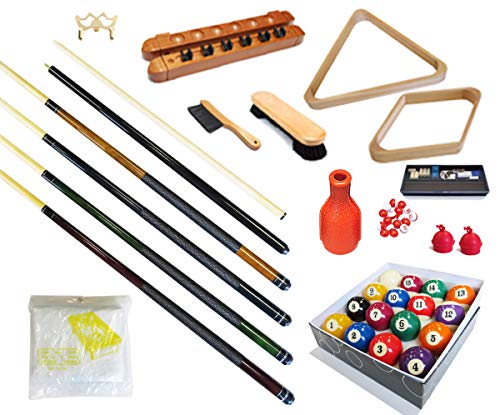
If you have a pool table then you need to get this accessory kit. It includes pool cues, extra pool balls, and all the gear you need to keep your pool table in tip-top shape.
If you are tired of your kids (or friends) ruining your good pool cue when they play then having these extra ones will keep that from happening (just be sure to hide your good one!).
Who buys pool tables?
The following are platforms and ways that allow you to get buyers for your pool table. They are simple but very reliable ways of getting a buyer to come get your used pool table.
- Pool table companies
Some companies buy pool tables then sell them to consumers. Such companies revamp the used pool tables then sell them at peak quality. When the demand for the pool tables is low, many companies take that time to buy them. If you want to sell your pool table here, it is quite easy. They want you to sell them your pool table, or if you are looking to trade it in, some companies also do this. Here is one of the top companies that buys used pool tables and even does trade ins for a new table. https://www.pooltableservice.com/sell-a-pool-table/
- Rent your pool table
If you have room to store your table, and you don’t necessarily want to sell it, you can rent it out. There are many people that are looking for a pool table for a weekend party, or even a wedding. If you have the capability to rent out your table, it is a great way to make money on your table. Most people will use this to make more money from their pool table than they would have gotten if they had sold it. If you are wanting to rent your table, the best place to let people know is your personal facebook page, or facebook marketplace. Many people shop here for cheaper items, and rentals.
- Buyers who want pool tables for themselves
Some pool lovers would want to buy pool tables for home use. In these instances, the buyers would want to bargain for the pool table. Negotiate well with the buyer and do not stoop too low. You will want to list your final price and give the buyer finer details regarding the pool table. You will want to let them know all of the features include information regarding the weight, dimensions, quality, gameplay, and any other relevant information. Also, take note of how you will move the table from your residence to the buyer’s home.
- Bar Owners
A pool game is one of the most played games in many bars. For this reason, bar owners buy pool tables for commercial purposes. Once the table is set in their club, the players play or compete with one another. This is a great way for the bar to earn extra money apart from drinks. It also means that the pool table is an investment that generates money. If a bar or club owner wants to buy your pool table, they will normally pay a premium and pay for them immediately. The amount of money they will pay will be dependent on the quality of your pool table.
- People wanting to trade
Trading your quality pool table is a good option if you don’t need the cash as you are likely to get a higher value item. Usually, you will receive an extra incentive if you are trading the used pool table with a new product. When you feel that you are becoming busy and the pool game is out of your schedule, you can simply sell it by this method.
If you want to do this, you simply create your price and get a different item that is more valuable than the pool table. This is far better than throwing the pool table away. The problem is that you will probably only have people who want to trade the pool table if it is in good condition. When traded away, the table is reused or recycled to become of better quality. It can, therefore, be used again by someone else.
- Consignment stores
There are some stores, locations, or/and organizations that offer consignment on some specified items. What happens is that they buy things from sellers, primarily second-hand/used items and keep them in their store. Once they get a buyer, they pay you an agreed amount of money or percent of the sale. The store will calculate and see if your consignment is a valuable option for buying the used product then give you feedback. You can rely on this as an option of selling your pool table. When selling your pool table, you will need to include its pictures and detailed information about it. The advantage of relying on these stores to buy your pool table include:
- The price they buy the pool table is negotiable. You might sell your old table and still make some profit
- You will not undergo the hustle of looking for a buyer yourself
- You will be contacted within 48 hours and have the chance to discuss your selling options
- It is a reliable option as you are sure to get back your money
- Donating your item
Rather than throwing your pool table away, you can contribute it to a non-profit organization or a charitable organization. This act benefits the community, team, organizations, or the school that you have donated. For some organizations though, they will prefer buying the equipment. Even though they will not buy at its original price, you will get some little return. In other cases, you will get the tax benefit(s) together with a reward of supporting a commendable cause.
What are the steps of selling my pool table?
When you are selling your pool table, you can follow the following simple steps.
- List it for sale
Put a word to family and friends that you want a buyer who can purchase your pool table. An alternative way to the first step is to go online and make an advertisement on your social media platforms.
- Set a price for the pool table
Generally, the lower the cost of the pool table, the faster it is likely to sell.
- Take good pictures
Put the pool table in the best condition possible and take some several photos of it. Put the picture in a single frame and list all its accessories.
- Put the price on it
All that is left to do is decide the amount of money you want for the pool table, and then let the buyers come to you.
Conclusion
We all know that knowledge is power. With all the info above, you are likely to get a buyer and money for your pool table. The selling and buying steps are easy. Some are DIY while in others, you will need the help of a third party. Either way, you will want to go for the method that best suits your needs.